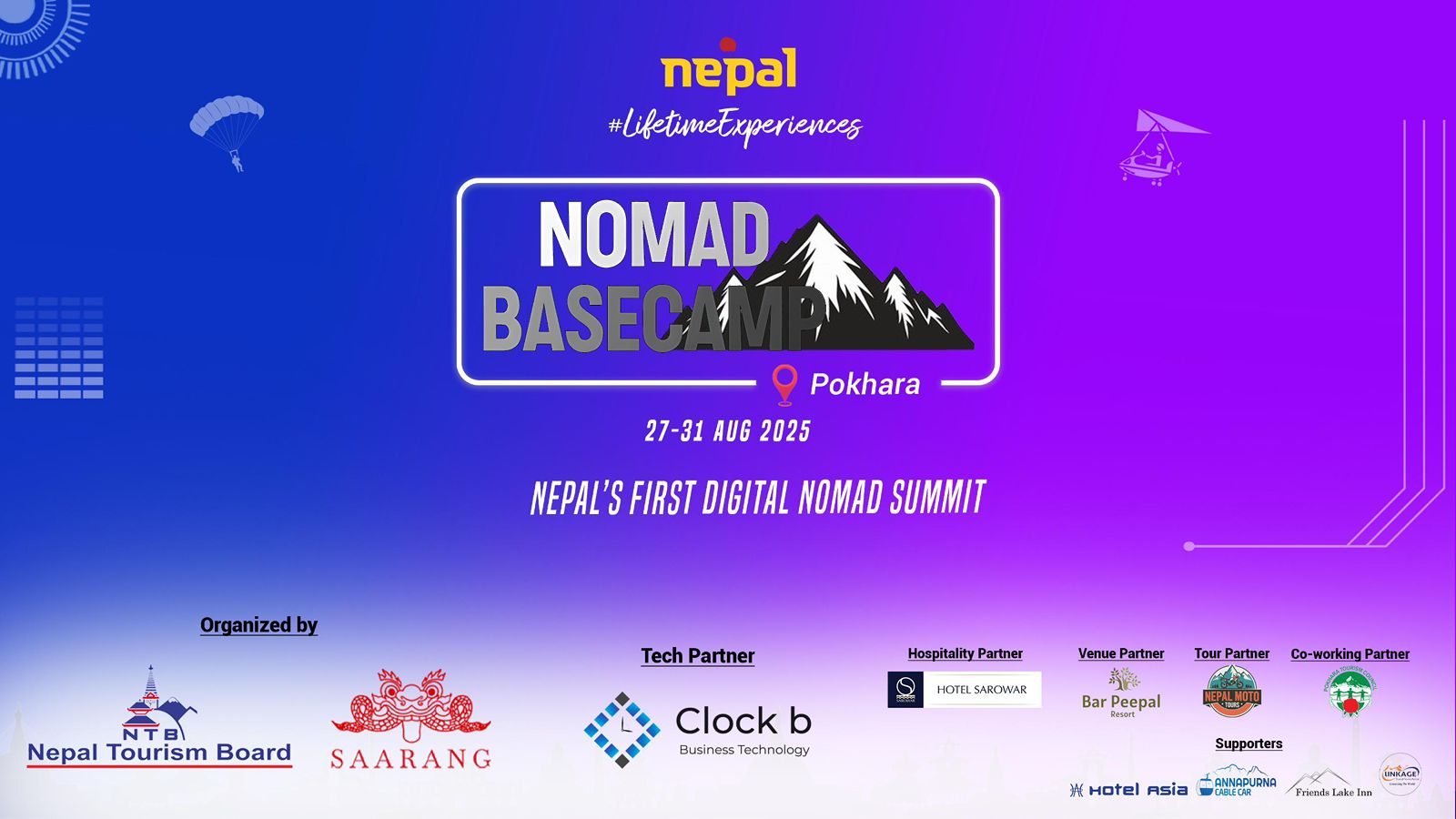
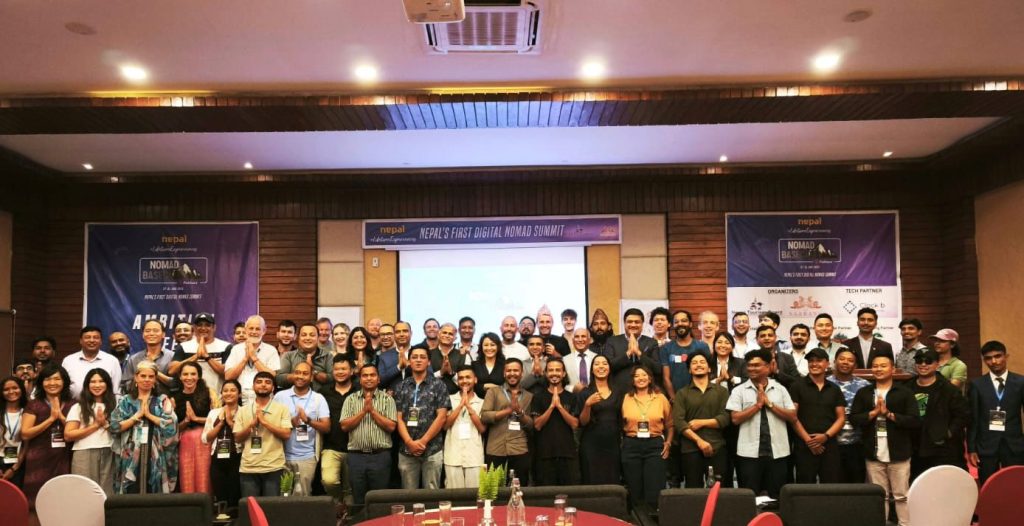
Pokhara, the scenic city known for its tranquil lakes, majestic Himalayan views, and vibrant lifestyle, has taken a bold step toward redefining its role in the global tourism map. For the first time, the Nepal Tourism Board (NTB), in collaboration with Sarang, organized the “Digital Nomad Summit – Basecamp Nomad” from August 27 to 31, 2025, aiming to present Nepal as one of the world’s most attractive destinations for digital nomads.
A Landmark Initiative for Nepal’s Tourism
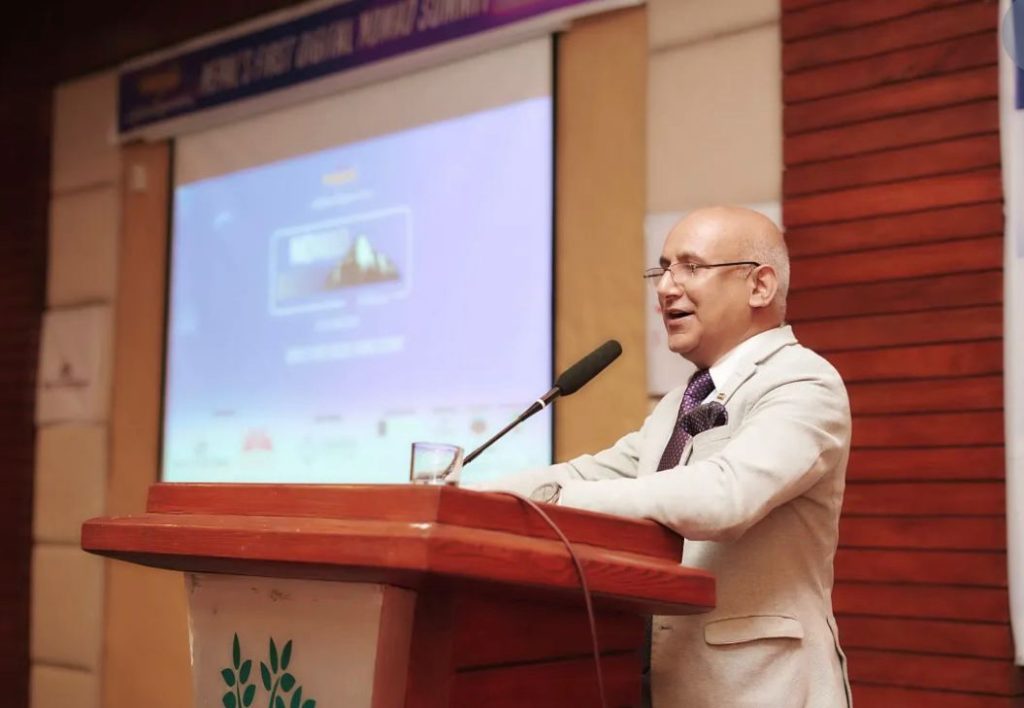
Addressing the summit, Deepak Raj Joshi, Chief Executive Officer (CEO) of the Nepal Tourism Board, described the event as a groundbreaking initiative and a “new chapter” in the history of Nepal’s tourism. “Today, we are not just hosting a summit,” he remarked. “We are starting a new chapter where Nepal positions itself as a destination recognized by the world for its ability to welcome and support digital nomads.”
The concept of digital nomadism has been gaining momentum globally, driven by advancements in technology, remote work opportunities, and the desire for work-life balance. Recognizing these trends, Nepal has identified itself as a potential hub for remote workers who seek not only professional productivity but also cultural immersion and natural beauty.
Why Nepal is Ideal for Digital Nomads
CEO Joshi emphasized that recent global shifts toward “remote work” and “digital nomadism” have transformed the way the world works. He argued that Nepal has the perfect mix of features to appeal to this emerging demographic, spectacular natural landscapes, deep-rooted cultural richness, genuine human hospitality, and a safe, welcoming environment.
“Natural beauty, cultural depth, warm hospitality, and a safe environment make Nepal an outstanding destination for digital nomads,” Joshi said. “By combining Pokhara’s already established global reputation with tech-friendly infrastructure, co-working spaces, and a welcoming atmosphere, we can make Nepal a top choice for digital nomads worldwide.”
Pokhara’s Unique Advantage
Pokhara, already a world-renowned tourism hub, offers an unmatched setting for remote workers. With the serene Phewa Lake, panoramic views of the Annapurna and Machhapuchhre ranges, and a relaxed lifestyle, the city combines inspiration with tranquility. By introducing reliable internet connectivity, modern co-working spaces, and amenities tailored to the needs of long-stay visitors, Pokhara can become a strategic base for both work and leisure.
The summit saw participation from over 30 international digital nomads and more than 40 Nepali professionals. This blend of global and local presence highlighted Nepal’s potential not only as a travel destination but also as a hub for creativity, collaboration, and contribution to the new digital economy.
Beyond Tourism: A Knowledge and Creative Hub
One of the core messages from the summit was that Nepal must look beyond traditional tourism models and embrace knowledge-based and creativity-driven tourism. Joshi highlighted NTB’s ambition to transform Nepal into a destination that caters to modern lifestyles and professions, thereby integrating tourism with innovation.
“Our aim is to take Nepal’s tourism beyond its traditional boundaries,” Joshi said. “We want to move towards knowledge tourism, creative tourism, and lifestyles fit for the digital age. If we can create the right environment for digital nomads, Nepal can truly become a global center.” This means promoting infrastructure that supports remote work, building a supportive community for long-term visitors, and ensuring that the experience of living and working in Nepal is seamless.
Nepal’s Vision for Leading Digital Nomadism in Asia
The “Nomad Basecamp” was more than just an event, it was a declaration of intent. Through this summit, Nepal demonstrated that it can lead the digital nomad movement in Asia. The event concluded with a commitment to develop this initiative into a long-term campaign, ensuring that the country remains competitive in attracting and retaining digital nomads from around the world.
The idea aligns with global trends in tourism, where countries like Portugal, Thailand, and Indonesia have already tapped into the digital nomad market by offering special visas, tax benefits, and infrastructure tailored to remote workers. Nepal’s entry into this space could open up new economic opportunities, encourage skill exchange, and diversify the country’s tourism revenue streams.
Potential Economic and Cultural Impact
By catering to digital nomads, Nepal could see a steady influx of long-term visitors who contribute not only to the tourism sector but also to local communities and the creative economy. Unlike traditional tourists who may stay for a week or two, digital nomads often stay for months, integrating into local culture, renting accommodation, frequenting local cafes and restaurants, and sometimes engaging in community-based projects. This prolonged stay pattern can boost small businesses, encourage cultural exchange, and enhance Nepal’s global visibility as a destination for innovation and collaboration.
Looking Ahead
With the successful hosting of the first-ever Digital Nomad Summit in Pokhara, Nepal has signaled its readiness to embrace the future of work and tourism. The event laid the foundation for positioning the country as not just a place to visit, but a place to live, work, and thrive.
The NTB, alongside partners like Sarang, plans to build on the momentum generated by this event by developing dedicated infrastructure, offering incentives, and running promotional campaigns to reach the global digital nomad community. If these plans materialize, Nepal could well become a leading player in the digital nomad space within the next decade. As Joshi summed it up, “This is not the end, but the beginning. We are planting a seed today that will grow into a tree under which digital nomads from across the globe can find inspiration, productivity, and community.”