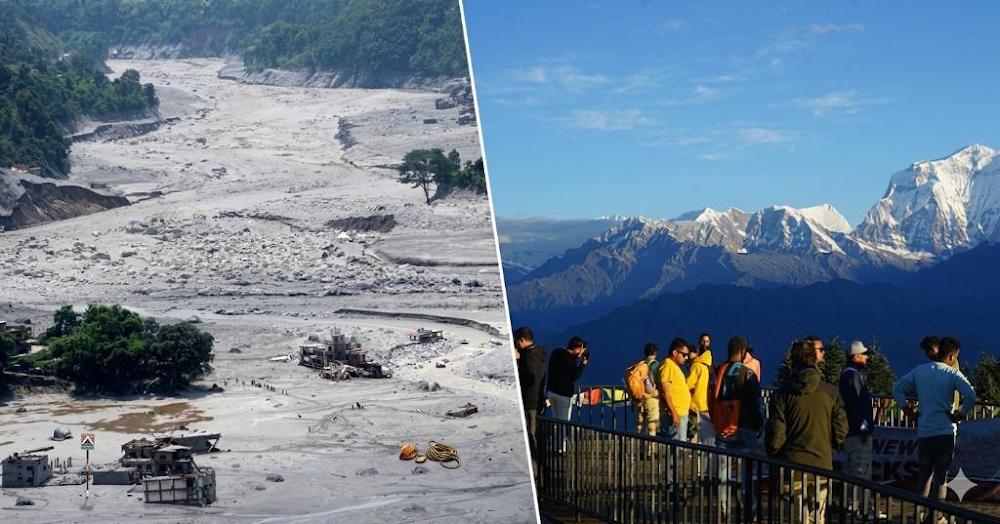
The devastating Bhotekoshi River flood in Rasuwa has begun affecting Nepal’s tourism and hospitality industry, with hotel bookings reportedly being cancelled by international travelers and businesses in several tourism destinations facing significant losses. The disaster has not only damaged hotels and restaurants in the flood-affected districts but has also created negative perceptions about travel to Nepal in international markets. According to preliminary estimates, hotel bookings could be cancelled by up to 30 percent, while the overall tourism sector could face losses of around NPR 50 billion if the impact continues through the upcoming peak tourist season.
Hotel Bookings Hit by Travel Cancellations
Foreign travelers planning to visit Nepal have reportedly started reconsidering or cancelling their trips following the Bhotekoshi disaster. The impact is particularly visible in advance hotel reservations, with some five-star properties reporting cancellations ranging between 20 and 30 percent. Shashikant Agrawal, operator of the Marriott hotel chain in Nepal, said bookings at five-star hotels have declined by an average of 20 to 30 percent following the flood. He explained that international visitors generally make hotel reservations before arriving in Nepal and tend to cancel quickly when they receive news of a major disruption or disaster.

The timing has raised concerns within the tourism industry because Nepal is approaching its main tourism season. Industry representatives say that cancellations could affect not only travelers who had already confirmed their trips but also potential visitors who may now postpone or abandon their plans because of concerns about safety and accessibility. A member of the Nepal Tourism Board said the tourism sector could see cancellations of around 30 percent during the season, potentially resulting in losses of approximately NPR 50 billion across tourism-related businesses. Based on this concern, tourism authorities and businesses are preparing promotional initiatives and commercial packages aimed at restoring visitor confidence and supporting demand.
More Than 200 Hotels and Restaurants Damaged
The flood has caused extensive physical damage to tourism infrastructure in several districts in the affected areas. Preliminary data collected by the Hotel Entrepreneurs Federation Nepal shows that more than 207 hotels and restaurants in Rasuwa, Nuwakot, Dhading and Gorkha have been affected. Rasuwa has recorded the largest number of damaged properties, with more than 100 hotels affected. Nuwakot has reported damage to around 55 hotels, followed by 40 in Dhading and 12 in Gorkha.
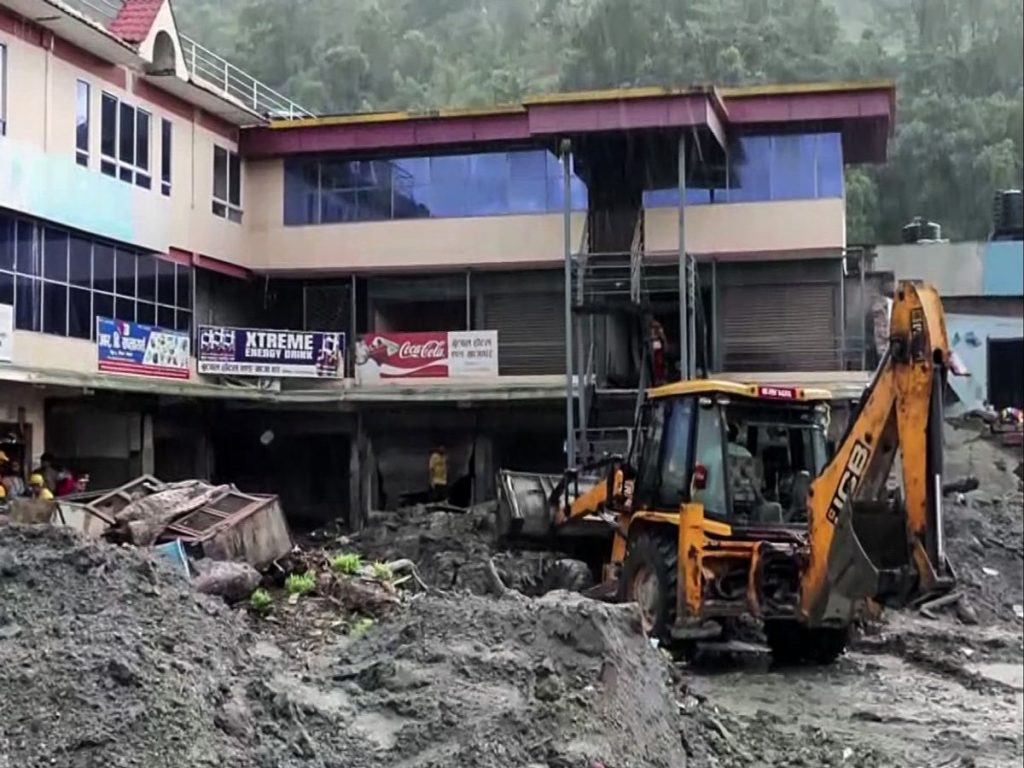
According to the federation’s preliminary assessment, 199 hotels have been destroyed, while three hotels in Nuwakot and five in Dhading have suffered partial damage. Together, the affected properties had a combined capacity of around 2,170 rooms, representing a significant loss of accommodation infrastructure in the region. Federation President Shankar Bhandari said the figures are preliminary and were collected through different sources to provide government authorities with an initial assessment of the damage. As detailed assessments continue, the number of affected properties and the overall scale of the losses could increase.
Beyond the physical destruction, the disaster has also disrupted the tourism service network in the affected areas. Hundreds of hotel workers are reportedly missing, adding a serious humanitarian dimension to the economic damage. Bhandari said the destruction of long-established tourism infrastructure and the loss of human resources could have consequences for the sector well beyond the immediate recovery period.
Travel Disruptions Add Pressure on Tourism
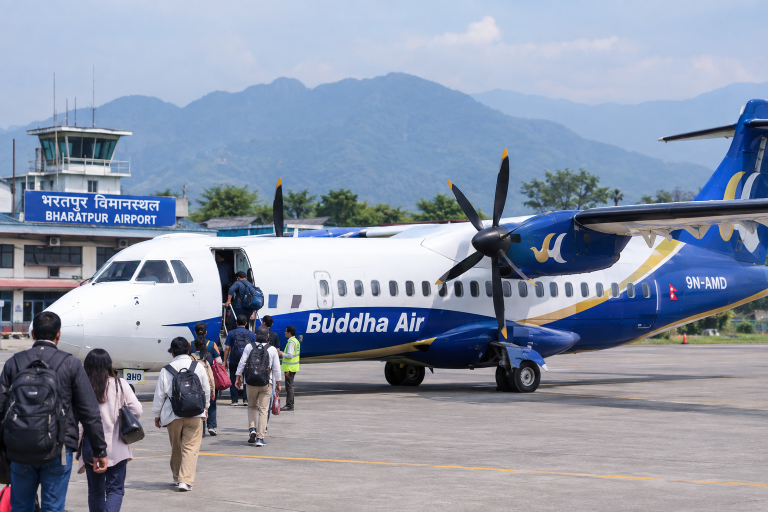
The impact of the disaster is also being reflected in Nepal’s air travel sector, although current passenger demand does not necessarily indicate an increase in tourist arrivals. Several major road routes have been disrupted by floods and landslides, forcing travelers to use air services where road transportation is unavailable. This has created increased pressure on flights serving some destinations, but industry representatives caution that this should not be interpreted as a sign of strong tourism demand.

Yeti Airlines spokesperson Sudarshan Bartaula said the airline has received information that some foreign travelers are already cancelling bookings for the upcoming tourism season. He added that the full impact of those cancellations is likely to become clearer in the coming months. Buddha Air Senior Marketing Director Rupesh Joshi similarly noted that Nepal’s main tourist season is only beginning in the coming month, meaning the effect of cancellations is not yet fully visible. He said the current increase in air passengers is largely linked to road disruptions, as travelers are turning to flights because of limited ground transportation options.
The tourism slowdown is also being felt in major destinations outside the directly affected areas. Tourist activity remains relatively weak in places such as Sauraha in Chitwan and Pokhara, while flood and landslide damage to road networks has made travel between destinations more difficult. Tourism stakeholders now face the challenge of restoring international confidence while continuing recovery and reconstruction in the affected areas. Industry representatives believe that clear information about safe destinations, targeted international promotion, and coordinated recovery efforts will be essential to prevent a temporary disaster from causing a prolonged downturn in Nepal’s tourism sector.