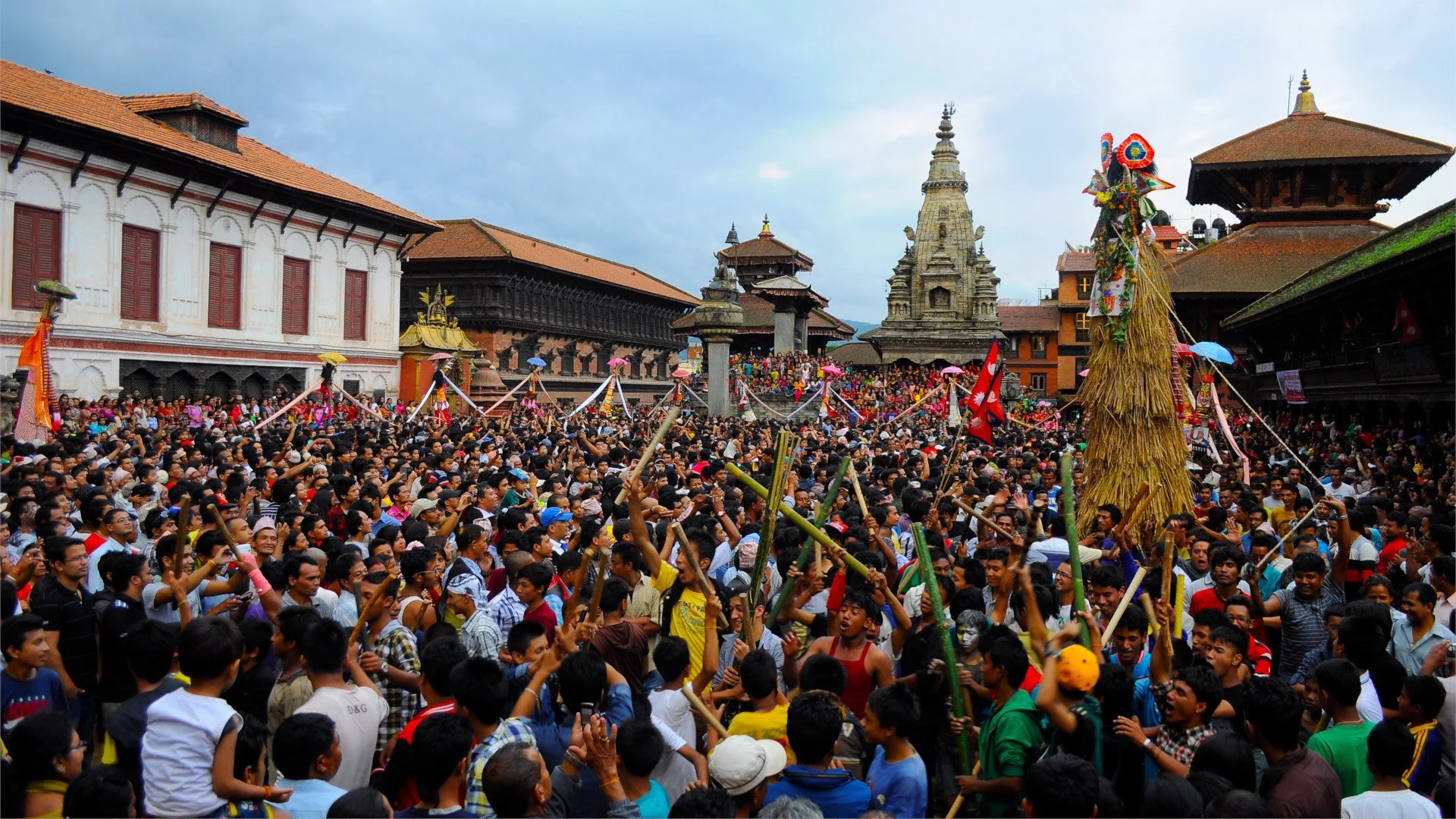
Gai Jatra, also known as the “Festival of Cows,” is one of Nepal’s most colorful and culturally rich festivals, primarily celebrated by the Newar community of the Kathmandu Valley. This festival, observed with vibrant processions, traditional music, and unique rituals, holds deep cultural significance as a way to honor and remember those who have passed away in the previous year. Beyond its spiritual importance, Gai Jatra has grown to be a significant attraction for tourists, providing them with a vivid glimpse into Nepal’s cultural heritage, community values, and artistic expressions.
Cultural History and Significance of Gai Jatra
Gai Jatra’s roots trace back several centuries and are steeped in myth, legend, and religious symbolism. The festival is traditionally celebrated in the month of Bhadra (August-September), following the lunar calendar, on the day of the full moon. The word “Gai” means cow, and “Jatra” means festival or procession. This festival marks a poignant occasion where families who have lost a loved one during the past year come together to commemorate their departed souls.
According to popular legend, the festival was first instituted by King Pratap Malla in the 17th century as a way to console the grieving queen. The king’s wife was devastated by the death of their young son, and the king ordered a festival where people would dress up as cows and other humorous characters to make her laugh and alleviate her sorrow. This compassionate act gave birth to the unique tradition of Gai Jatra, where cows, considered sacred animals in Hinduism, are paraded through the streets as symbolic guides for the departed souls in their journey to the afterlife.
The festival is marked by families preparing to lead their cows, real or symbolic, through the streets. In urban areas like Kathmandu, people often dress children as cows or wear cow masks. The cow procession is accompanied by musicians playing traditional instruments, dancers, and performers enacting satire, humor, and social commentary. These satirical performances are a distinctive feature of Gai Jatra, offering a rare occasion for public expression and critique of social and political issues through comedy and drama.
Beyond the individual families, the entire community comes together in a spirit of solidarity and remembrance. The procession moves through neighborhoods, often led by the deceased’s family, creating a public space for mourning combined with celebration. The underlying belief is that the cow guides the departed souls safely to the afterlife and helps families find closure and peace.
Gai Jatra and Tourism: A Cultural Attraction
In recent decades, Gai Jatra has transcended its local religious and cultural context to become a notable tourist attraction, drawing visitors from around the world who are eager to witness Nepal’s living traditions. The festival’s vivid colors, elaborate costumes, and lively street performances offer tourists an immersive cultural experience that few other festivals can match.
Tourists visiting during Gai Jatra are often captivated by the eclectic mix of emotions on display, grief mingled with humor, reverence coupled with joyful celebration. The festival provides a window into the Newar community’s worldview, their coping mechanisms for loss, and their unique blend of spirituality and social engagement.
Gai Jatra’s processions through the streets of Kathmandu and Lalitpur are particularly popular among tourists for photography, cultural learning, and participation. Several tour operators include Gai Jatra festivals in their cultural tour itineraries, offering guided experiences that explain the festival’s symbolism and history, enriching visitors’ understanding of Nepal’s intangible heritage.
Moreover, the satirical plays and puppet shows performed during Gai Jatra often touch upon current social and political themes, giving tourists a glimpse of the vibrant civic discourse that thrives in Nepalese society. This makes Gai Jatra not only a festival of remembrance but also a living, breathing platform for cultural dialogue and expression.
The economic impact of Gai Jatra on local communities is also significant. The influx of tourists stimulates local businesses, hotels, restaurants, handicraft shops, and transportation providers, all benefit from the increased demand. Street vendors selling traditional food and souvenirs thrive during the festival period, contributing to the local economy. This connection between cultural festivals and tourism underscores the importance of preserving such heritage as a sustainable source of livelihood and cultural pride.
Preserving Tradition Amidst Modernity
As Nepal modernizes and urbanizes, the challenge remains to preserve the authentic spirit of Gai Jatra while accommodating growing tourist interest. Efforts by cultural organizations, the government, and community leaders aim to maintain the festival’s integrity, ensuring that commercialization does not dilute its spiritual and cultural essence.
Workshops and cultural programs are regularly organized to educate younger generations about the festival’s origins and significance. Additionally, tourist education programs emphasize respectful participation and awareness, encouraging visitors to honor the festival’s solemn aspects even as they enjoy its festive atmosphere.
In this way, Gai Jatra stands as a testament to Nepal’s rich cultural diversity and resilience. It bridges the past and present, tradition and modernity, grief and celebration, local community and global visitors, all within a single, vibrant festival.
Gai Jatra is more than just a festival; it is a cultural narrative woven into the fabric of Nepali society that reflects the community’s relationship with life, death, and humor. Its deep historical roots and unique customs make it an invaluable cultural asset, while its role as a tourist attraction helps promote Nepal’s image as a country rich in heritage and tradition.
For tourists, Gai Jatra offers a rare opportunity to experience Nepal beyond the usual trekking routes and temples, to see the living culture of the Kathmandu Valley in full, colorful display. For locals, it remains a vital ritual of remembrance and resilience. Together, this blend of cultural significance and tourism potential makes Gai Jatra an essential celebration in Nepal’s calendar, deserving of both preservation and wider appreciation.