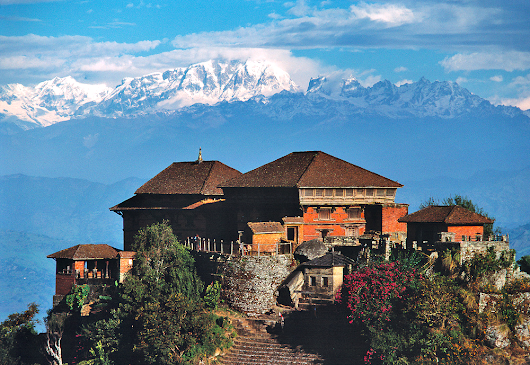
The historic Gorkha Durbar Museum located in Nepal’s Gorkha district has witnessed a remarkable influx of tourists over the fiscal year 2081/82, recording more than 122,700 visitors, according to the museum authorities. The rise in tourist numbers underscores the growing interest in Nepal’s rich cultural history and heritage linked with the unification of modern Nepal.
Surge in Domestic and Educational Tourism
As per the data provided by Jayanarayan Karki, the Chief of the Gorkha Durbar Museum, a total of 122,700 individuals visited the museum in the last fiscal year. Out of these, a majority—84,257 were domestic tourists, which reflects the museum’s growing appeal among Nepali citizens for both recreational and educational purposes.
The data further reveals that 36,298 students from different schools and colleges across the country visited the museum on academic excursions, making the museum a prominent educational destination. These study visits have played a vital role in promoting historical awareness and national identity among younger generations.
Gradual Increase in Tourist Footfall
The number of visitors has seen a steady increase compared to the previous year, signaling a positive trend in cultural tourism in the region. In the fiscal year 2080/81, the museum had welcomed 119,187 visitors. The increase of more than 3,500 tourists this year highlights not only the growing fascination with Nepal’s unification history but also improved museum services and regional accessibility.
Karki attributes this growth to both word-of-mouth popularity and academic interest in the legacy of King Prithvi Narayan Shah, who is a central figure in the museum’s exhibits. He also cited a general improvement in tourism infrastructure and promotion as contributing factors.
Attraction for Foreign Tourists
Although domestic tourism forms the bulk of the museum’s footfall, international visitors are also taking interest. The museum recorded 2,003 visitors from third countries in the fiscal year. These visitors, many of whom are researchers, historians, or cultural enthusiasts, come to observe Nepal’s traditional weaponry, historical relics, and the legacy of nation-building under King Prithvi Narayan Shah.
The international interest also suggests a growing recognition of Nepal’s historical sites beyond the popular trekking and mountaineering destinations, bringing more attention to lesser-known cultural attractions like Gorkha.
Museum’s Historical Significance and Exhibits
Established in 2065 BS (2008 AD) and opened to the public, the Gorkha Durbar Museum stands as a symbolic reminder of Nepal’s unification movement, led by King Prithvi Narayan Shah, who was born in Gorkha. The museum is housed in the historic palace complex, which was once the seat of the Shah dynasty before the conquest of Kathmandu and other regions.
The museum’s displays include:
- Personal artifacts and portraits of King Prithvi Narayan Shah
- Traditional weapons used during the unification campaign
- Costumes and attires from various ethnic communities
- Traditional musical instruments and ceremonial bands used during royal events
These exhibits serve as an educational repository for those wanting to learn about Nepal’s formative years, cultural diversity, and royal heritage.
Promoting Heritage Tourism in Gorkha
The growing number of visitors also holds promise for the local economy and tourism sector. Local hotels, restaurants, guides, and souvenir shops benefit directly from the rising tourist numbers. Heritage tourism, especially focused on historically significant sites like Gorkha Durbar, plays a crucial role in spreading economic opportunities across rural districts.
Authorities are also working on improving infrastructure, including roads and signages, to make the site more accessible and informative for both domestic and international visitors. Gorkha Municipality and the Department of Archaeology have reportedly been collaborating to preserve the artifacts and improve the visitor experience.
Call for Better Conservation and Promotion
Despite the promising figures, museum officials and local stakeholders have emphasized the need for greater investment in conservation and digital documentation of museum exhibits. With the growing footfall, the pressure on physical infrastructure and artifact preservation also increases.
Chief Karki highlighted the importance of integrating technology-based services like virtual tours, interactive panels, and multilingual guides to enrich the learning experience of visitors. He also called for nationwide promotion campaigns to attract more tourists to Gorkha, especially during national holidays and educational breaks.
Future Prospects
With increasing awareness about the importance of cultural identity and national history, the Gorkha Durbar Museum is expected to attract even more visitors in the coming years. Tourism officials and historians view the museum as more than just a repository of artifacts, it’s a place where the past meets the present, inspiring future generations.
As Nepal continues to position itself as a destination not only for natural beauty but also for deep-rooted historical experiences, institutions like the Gorkha Durbar Museum will continue to play a central role in fostering heritage-based tourism and educational engagement across the country.