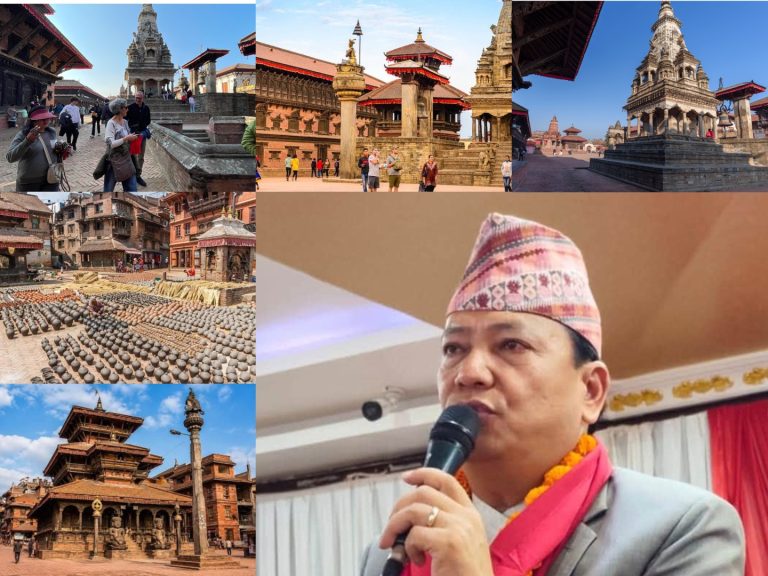
President Ram Chandra Paudel has announced that the government will launch the “Devbhoomi Nepal” (Nepal: Land of the Gods) national campaign with the goal of establishing Nepal as a global hub for spiritual tourism. The initiative, titled “Devbhoomi Nepal,” aims to position the country as a sacred land of gods, faith, and spirituality by promoting its rich religious and cultural heritage.
Presenting the government’s Policy and Programme for the upcoming fiscal year during a joint session of the Federal Parliament on Monday, President Paudel highlighted tourism promotion as one of the country’s major priorities. He emphasized that under “Devbhoomi Nepal,” Nepal will be developed as a premier destination for religious, cultural, wellness, and spiritual tourism to attract global visitors and strengthen its international identity.

Nepal to Be Developed as a Global Spiritual Tourism Destination
Under the new policy, the government plans to position Nepal as an international center for spiritual and religious tourism by promoting the country’s unique religious heritage, cultural diversity, and sacred destinations.
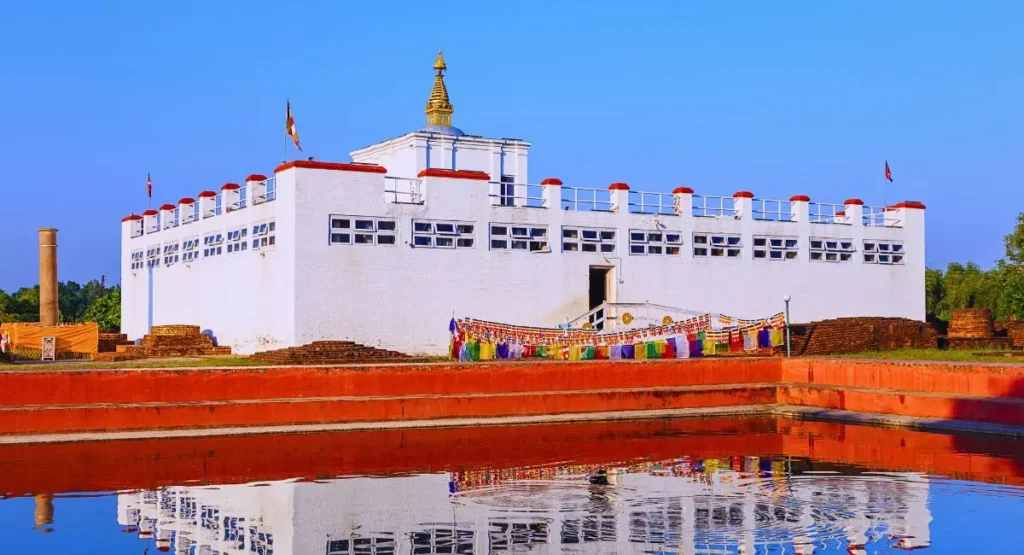
The “Devbhoomi Nepal” national campaign will focus on strengthening Nepal’s identity as a land of spirituality, pilgrimage, and peace. The policy also aims to develop Nepal as an emerging destination for religious, cultural, wellness, educational, film, spiritual, and leisure tourism.
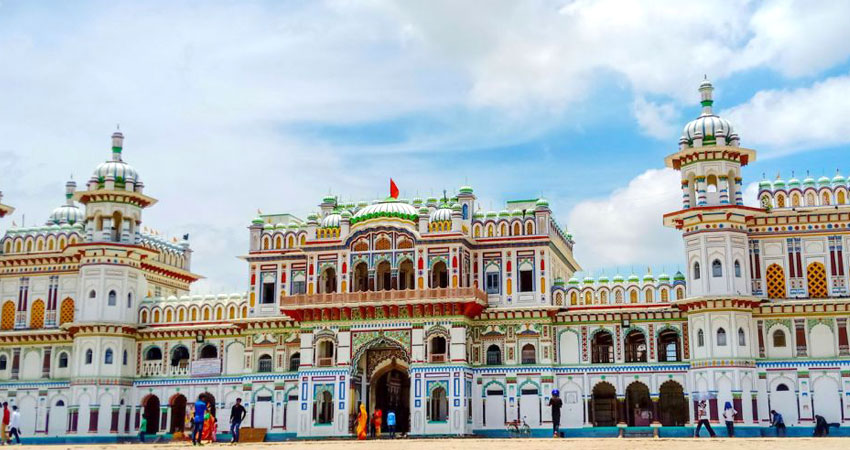
Promotion of Major Pilgrimage Sites Through Spiritual Diplomacy
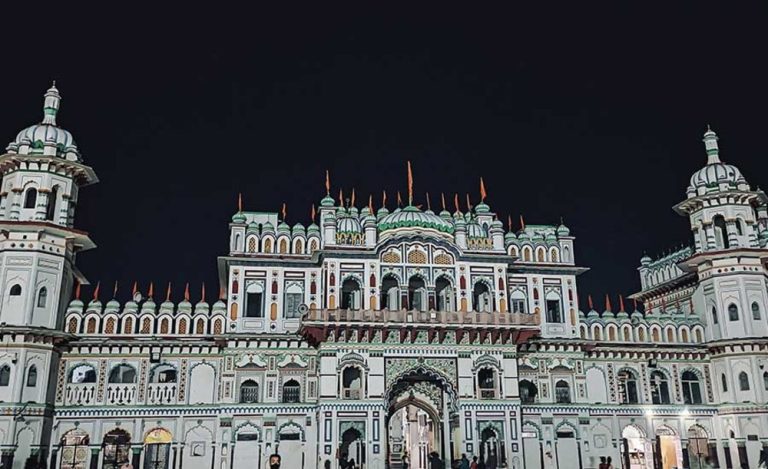
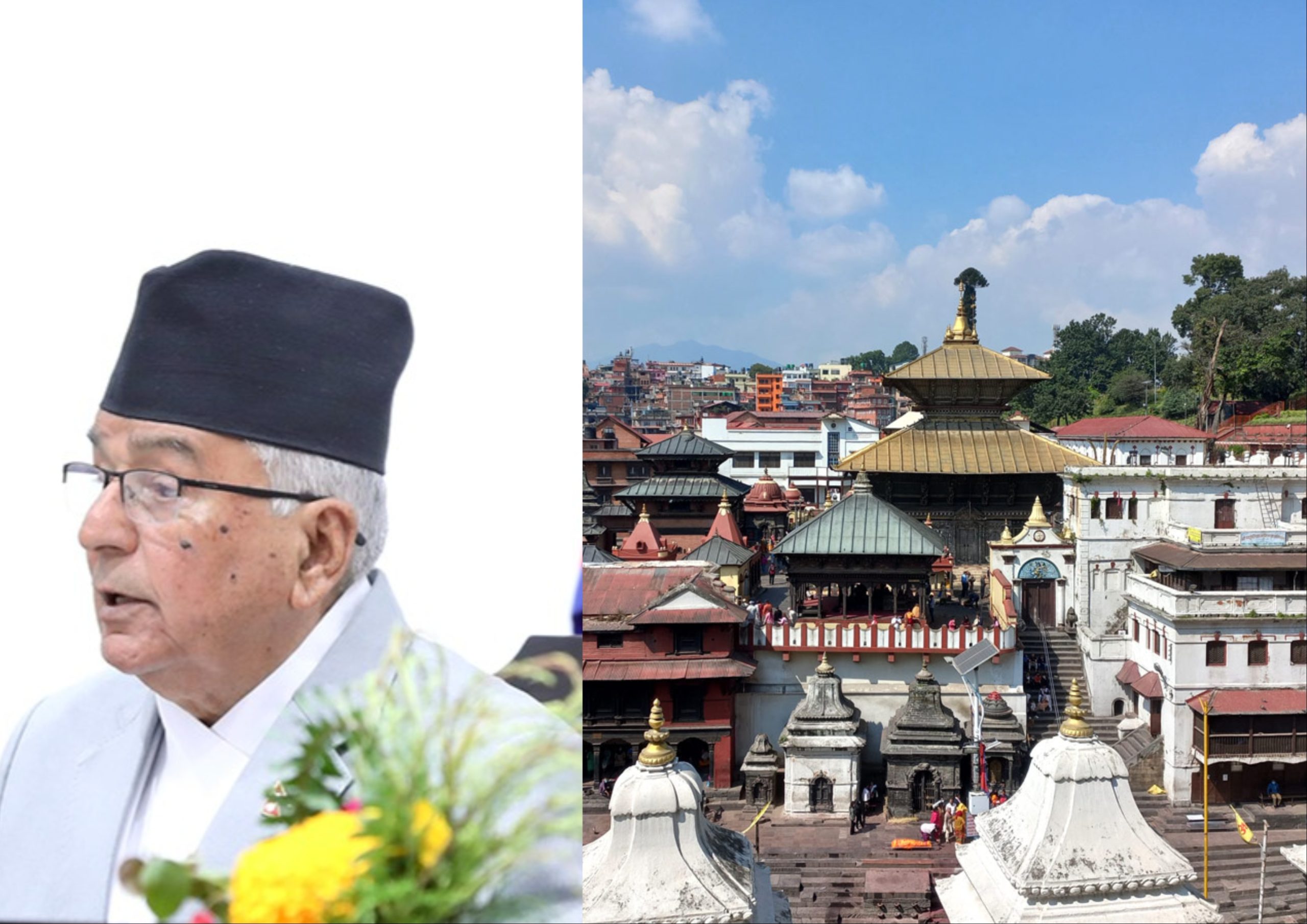
The government has stated that spiritual pilgrimage diplomacy will be used to internationally promote major religious destinations, including Pashupatinath Temple, Lumbini, Janakpur Dham, and Muktinath Temple. According to the policy, the government will intensify international outreach and promotional activities to attract pilgrims, spiritual seekers, and cultural travelers from around the world.

Tourism Diversification Expected to Strengthen Economy
The government believes the expansion of spiritual and wellness tourism will help diversify Nepal’s tourism sector and contribute to economic growth by increasing tourist arrivals, extending visitor stays, and creating employment opportunities in local communities connected to religious and cultural tourism.