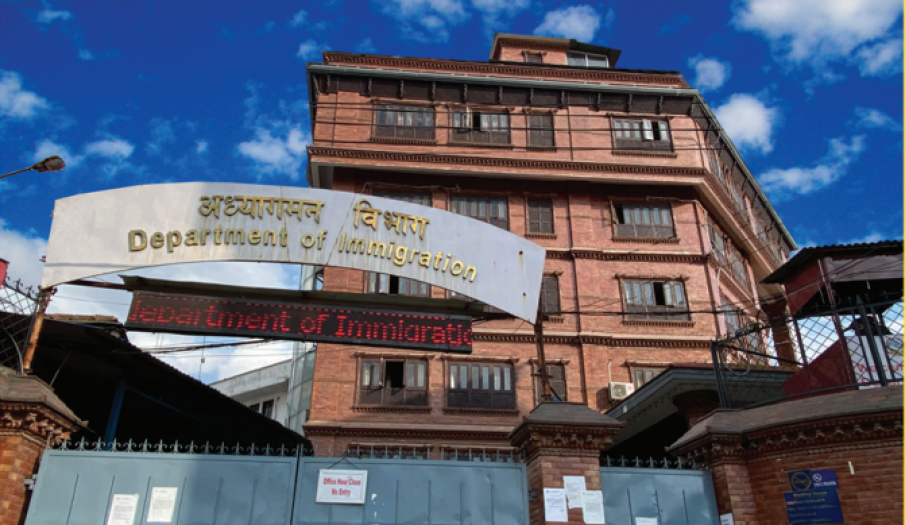
The Department of Immigration has taken action against Nepal Environmental Treks & Expedition for conducting trekking activities with foreign nationals in a government-designated restricted area without prior authorization. The agency has been fined Rs. 45,000 under the Immigration Act, 2049, marking the first instance of penalty for this specific violation, according to Department Spokesperson Tika Ram Dhakal.
Violation Uncovered During Emergency Rescue Request
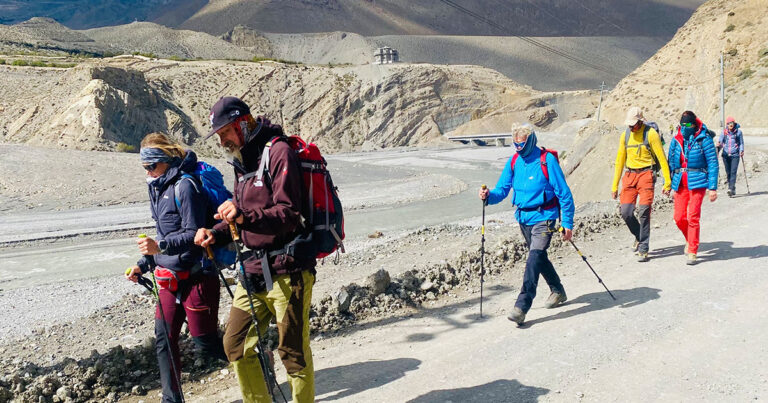
The agency had escorted Italian citizens into the Gaurishankar region of Dolakha, which is classified as a restricted area due to its proximity to sensitive border zones. The violation was uncovered only after the trekking party required an emergency rescue. During the request for rescue authorization, officials examined the documents submitted by the company and discovered that it had not acquired the mandatory trekking permit from the Immigration Department.
Dhakal stated that the incident exposed a clear breach of established rules. “The company was found to have led foreign trekkers into a restricted zone without securing the required permit. The penalty has been imposed as per the law,” he said.

Strict Permit Requirements for Restricted Zones
Nepal’s Immigration Regulations mandate that foreigners wishing to trek in restricted areas must obtain a valid trekking permit before entering such locations. As per the Immigration Rules, 2051, foreign nationals are required to apply for the restricted-area permit through a registered trekking agency. The agency must submit a formal application to the Department of Immigration on behalf of the clients.
Failure to follow these procedures not only violates national regulations but also poses security and safety risks, especially in regions that remain sensitive from border and defense perspectives. In this particular case, trekking guide Bhim Prasad Paneru had accompanied the Italian trekkers into the restricted area. The Immigration Department has also written to the Nepal Tourism Board, recommending appropriate action against the guide for participating in the unauthorized trek.
Restricted Zones Established for Security Sensitivity
Nepal has designated several regions across multiple districts as restricted zones, primarily due to border sensitivities and national security concerns. These areas require special permits for foreign nationals, and entry is closely monitored by the Department of Immigration as well as local authorities.
Restricted areas include:
- Upper Mustang
- Upper Dolpa
- Humla (Simkot, Namkha, Chungkhali)
- Manaslu region (Gorkha)
- Kangchenjunga region
- Gaurishankar and Lamabagar areas (Dolakha)
- Kimathanka, Chekampar, Chumchet and several other sensitive regions
Foreigners must obtain a restricted-area permit and often travel with licensed guides, with groups typically required to have a minimum number of trekkers depending on the region’s regulations.
Action Part of Increasing Oversight on Illegal Treks
The Department of Immigration has emphasized stricter oversight in recent months as unauthorized trekking and illegal entry into restricted locations have shown signs of rising. Only two weeks earlier, the department had penalized another trekking agency in Taplejung for attempting to take foreign nationals into a restricted zone before securing the required permit.
Officials noted that violations of restricted-area rules not only undermine national security but also jeopardize the safety of foreign trekkers who may not be aware of the legal and environmental complexities of such zones. Emergency rescues, such as the one that exposed this latest violation, further strain government resources and highlight the importance of ensuring compliance with trekking protocols.

Department Reinforces Compliance Expectations
Spokesperson Dhakal reiterated that all trekking agencies must strictly adhere to government regulations. “The rules are clear: restricted-area permits must be obtained in advance. Any agency that bypasses the process will face legal action,” he said.
He added that the department is committed to enforcing the law consistently and ensuring that Nepal’s trekking industry remains safe, regulated, and respectful of national security guidelines. Agencies have been urged to brief foreign clients thoroughly on legal requirements before initiating travel plans to sensitive areas.
The recent actions serve as a reminder to trekking companies that compliance is not optional and that violations, whether intentional or due to oversight, will lead to penalties under Nepal’s immigration laws. The department aims to maintain transparency, security, and accountability in the tourism sector while protecting both tourists and national interests.