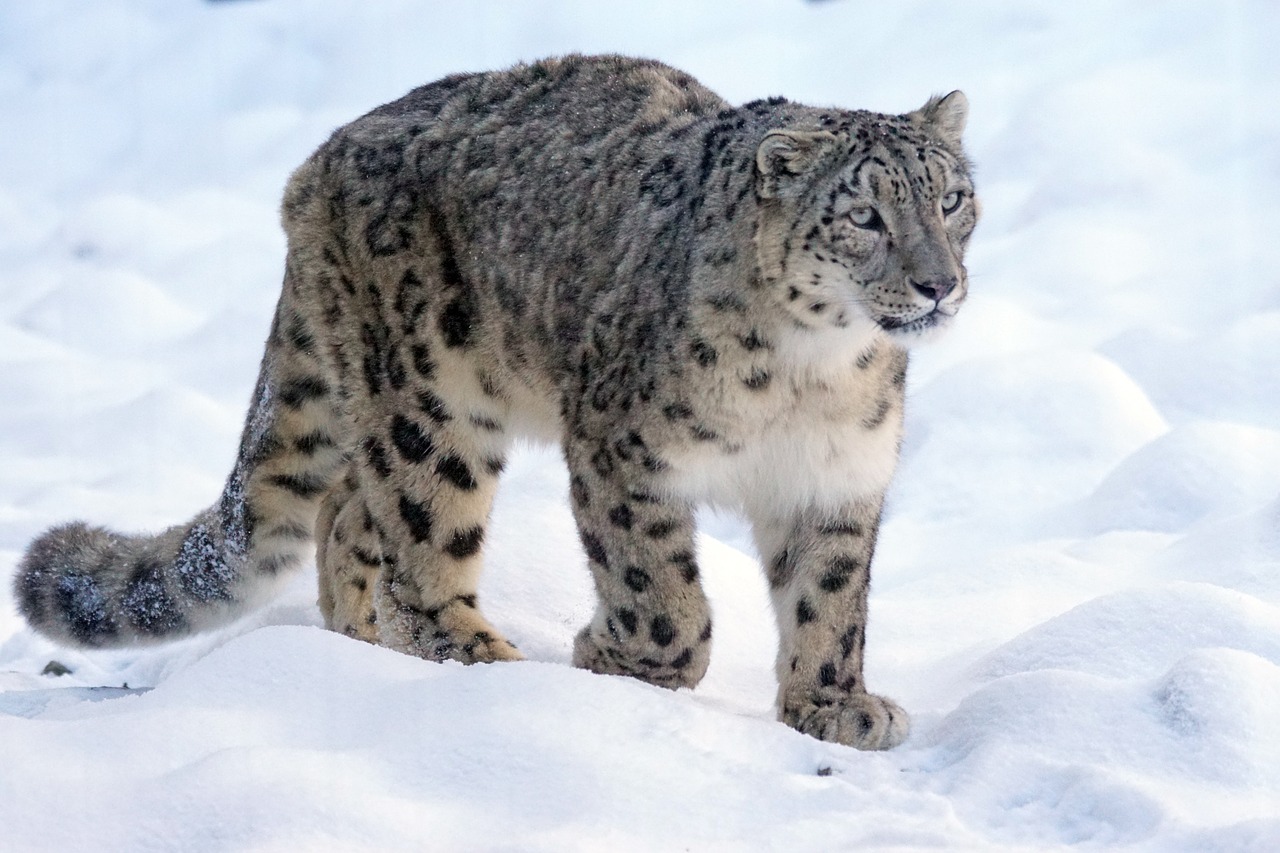
Nepal has recorded a remarkable 397 snow leopards within its mountainous landscape, reaffirming the country’s pivotal role in global efforts to protect this elusive and endangered species. The Ministry of Forests and Environment released the updated figure, highlighting Nepal’s continued contribution to safeguarding the snow leopard, a creature deeply tied to the ecological health of the Himalayan highlands.
A Significant Share of the Global Population
Snow leopards, often referred to as the “Queen of the Himalayas,” inhabit only 12 countries worldwide, including Nepal, China, India, Bhutan, Mongolia, and several Central Asian nations. Global estimates suggest a population ranging from 4,000 to 7,000 individuals. With nearly 10 percent of the world’s snow leopards residing in Nepal, the country’s vast high-altitude habitat, spanning 30,500 square kilometers, plays a crucial role in the species’ survival.
Recent advancements in research methodology, data quality, and tracking technologies have enabled countries like Nepal, India, Bhutan, and Mongolia to publish updated snow leopard population counts. According to these new figures, China leads globally with an estimated 2,500 snow leopards, followed by Mongolia with 953, India with 718, Nepal with 397, and Bhutan with 134.

Threats Persist Despite Positive Numbers
Although the census findings offer encouragement, snow leopard conservation remains fraught with challenges. Internally, the species is threatened by habitat loss, diminishing prey, and ongoing environmental degradation. Externally, poaching and illegal wildlife trade continue to pose significant risks. Experts underline the growing importance of community engagement, adequate compensation programs, and proactive conflict-mitigation strategies, especially in regions where snow leopards prey on livestock.
Dr. Buddhi Sagar Poudel, Director General of the Department of National Parks and Wildlife Conservation, noted that climate change is having a direct impact on the Himalayan region, degrading snow leopard habitats and shrinking their food sources. He added that limited resources, difficult geography, insufficient manpower, and a lack of advanced technology make monitoring and conservation efforts even more challenging. Human-snow leopard conflict, often leading to retaliation through traps or poisoning, adds further complications.
A Species That Reflects Mountain Health
Snow leopards typically inhabit elevations between 540 and 5,000 meters and are classified as globally endangered by the IUCN Red List. Their presence signals a thriving high-mountain ecosystem. Yet, as highlighted in a 2021 WWF study, they remain one of the least-studied big cats in the world: only about 23 percent of their global range has been systematically assessed, and empirical population data exists for less than 3 percent.
Efforts Intensify Across Nepal’s Mountain Regions
Organizations such as the National Trust for Nature Conservation (NTNC) are expanding efforts to reduce human–snow leopard conflict by building secure livestock shelters, promoting community-led conservation, and strengthening monitoring programs. Camera trap surveys are actively conducted in key regions including Manang, Manaslu, Gaurishankar, and Annapurna.

To support long-term preservation, the Ministry of Forests has launched the Snow Leopard Conservation and Action Plan (2024–2030), which prioritizes habitat protection, anti-poaching initiatives, and scientific research. Current data indicates that western Nepal holds a comparatively higher concentration of snow leopards than eastern regions. Experts across the conservation sector are also calling for enhanced vigilance and stricter measures to curb poaching and the trafficking of snow leopard body parts, an issue that continues to threaten the species globally.
Cross-Border Cooperation Essential for Long-Term Survival
WWF Nepal, in partnership with the government, is engaged in extensive camera trap surveys and community-level programs to minimize conflict. Dr. Ghanashyam Gurung, National Representative of WWF Nepal, emphasized that snow leopard conservation cannot succeed without cross-border and regional cooperation, given the animals’ natural tendency to roam across national boundaries. Sightings of Nepal’s snow leopards moving into India and Bhutan illustrate the transboundary nature of the species’ behavior.
Conservationists note that while Nepal’s efforts are commendable and crucial, no single country alone can ensure the survival of this majestic Himalayan predator. Sustained collaboration among all snow leopard range nations, supported by strong scientific, community, and policy frameworks, remains vital for protecting one of the world’s most iconic mountain species.