The Kaag Tihar festival, marking the first day of the five-day Tihar celebration, is being observed across Nepal today by worshipping and feeding delicacies to crows, believed to be divine messengers. This day holds deep religious significance among Nepali Hindus, as it symbolizes respect for the messenger of the god of death, Yamaraj, and marks the beginning of one of the country’s most vibrant and colorful festivals.
Symbolism and Mythological Significance
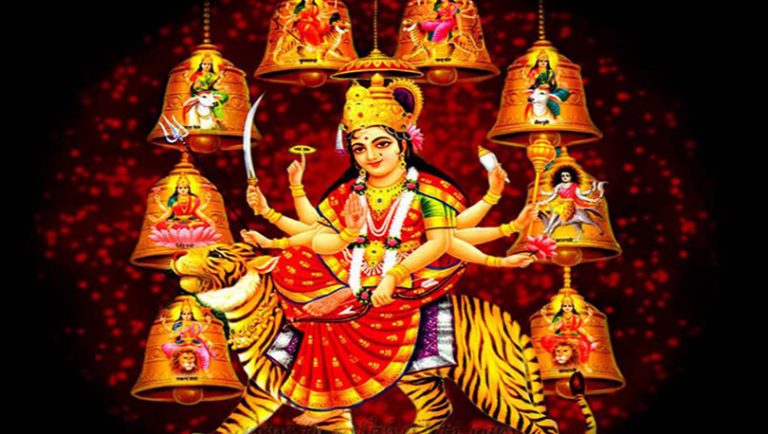
Kaag Tihar, celebrated on the 13th day of the waning moon in the month of Kartik according to the lunar calendar, is dedicated to the Kaag or crow. In Hindu mythology, the crow is considered the messenger of Yamaraj, the god of death and justice. Scriptures describe that Yama learns about people’s deeds on earth through these crows, who serve as intermediaries between the mortal and spiritual worlds.

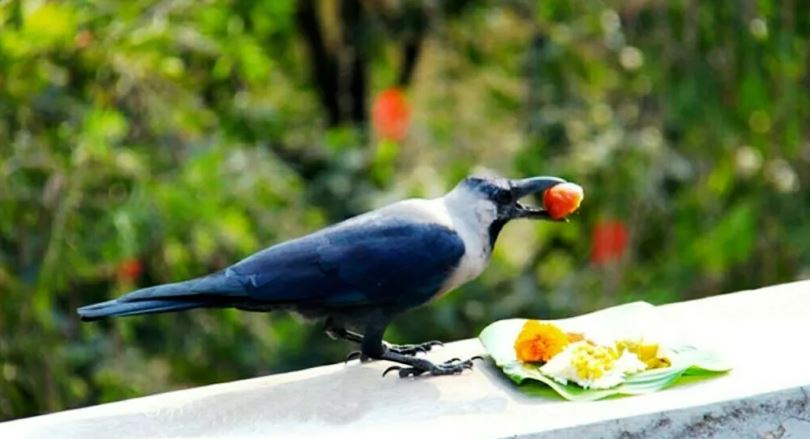
On this day, devotees worship and offer food to crows, believing that appeasing them ensures that they carry good messages to Yamaraj on behalf of the living. People express the wish that the crows will bring blessings and avert misfortune from their households.
Traditions and Offerings
As part of the ritual, Nepali families rise early in the morning to prepare offerings for the crows. Traditionally, a mixture of rice, curd, and curry, considered a favorite delicacy of crows, is placed on rooftops, courtyards, or open spaces. This act of reverence symbolizes gratitude and the hope of receiving good tidings.
In Nepali culture, it is also common to say “Shuva bol, shuva bol” (meaning “speak good news”) whenever a crow caws nearby. The sound of a crow’s call is believed to foretell messages, sometimes of guests arriving, or other news soon to be received. Many people interpret the crow’s presence around their homes as a divine sign, blending spiritual faith with everyday life.
Religious Ceremonies and Temple Observances
Special worship ceremonies are being held at various temples today to mark Kaag Tihar. In particular, the Kageshwari Mahadev Temple in Kageshwari Manohara Municipality–1, Kathmandu, is hosting major rituals in honor of the crow. Similarly, worship of the Kaag is also being conducted at the Kageshwari Temple in Hanumandhoka, one of the oldest cultural sites in the capital.
These ceremonies involve chanting of Vedic hymns, lighting of lamps, and offering of special food items to invoke blessings from Yamaraj for peace and well-being. Devotees also visit temples early in the morning to participate in group prayers and symbolic rituals associated with protection from evil and the wish for longevity.
Connection with Yamaraj and Yama Deepdaan
Kaag Tihar is closely tied to the spiritual theme of life, death, and justice. The broader Tihar festival is dedicated to Yamaraj and Dharmaraj, the gods of death and justice, symbolizing that those who commit virtuous deeds are rewarded while those who act unjustly face consequences.
The ritual of Yama Deepdaan, offering butter lamps in the name of family members, began on Saturday evening. This ritual continues throughout the five days of Tihar. Devotees believe that lighting these lamps pleases Yamaraj and liberates souls from suffering in the afterlife. The butter lamps, glowing in homes and temples, are symbolic of enlightenment, hope, and the eternal bond between the living and the departed.
Cultural and Spiritual Essence of Tihar
Known as Yama Panchak, Tihar celebrates the harmony between humans, animals, and deities. Each day of the festival honors a different being, crow, dog, cow, ox, and finally, brothers and sisters. Kaag Tihar, as the first day, sets the tone for the festivities ahead by emphasizing gratitude, respect, and the balance of nature.

The celebration also reflects the deep-rooted belief that all creatures, no matter how small, have a role in maintaining the cosmic order. Feeding the crows on this day symbolizes acknowledgment of their place in the cycle of life and death, as well as the interconnectedness between humans and the natural world.
A Festival of Faith and Reflection
As lamps glow across homes, and rooftops are filled with food for the crows, Kaag Tihar reminds devotees to honor messengers of the divine and to seek blessings for peace and prosperity. The observance is not merely a ritual but a profound act of reflection on life, morality, and the unseen connections that link humanity to the divine. Thus, Kaag Tihar ushers in the joyous spirit of Tihar, a festival of lights, love, and reverence that brightens both homes and hearts throughout Nepal.