Tihar, the second-largest festival of Nepali Hindus, begins today with enthusiasm, devotion, and colorful celebrations across the country. Also known as Yama Panchak or Deepawali, Tihar is a five-day festival that symbolizes the victory of light over darkness and good over evil. Falling in the auspicious month of Kartik (October–November), the festival beautifully intertwines religious devotion, cultural heritage, and social harmony.
As families prepare for days filled with lights, sweets, songs, and rituals, Tihar once again brings to life the vibrant spirit of Nepali culture. The Nepal Calendar Fixation Committee has announced that the auspicious hour for Bhai Tika this year will be at 11:39 a.m. on October 23.

Historical and Cultural Significance of Tihar
The history of Tihar dates back centuries and is deeply rooted in Hindu mythology. According to ancient scriptures, the festival is dedicated to Yama, the god of death, and his sister Yamuna. It is believed that Yamuna wished for her brother’s long life and invited Yama to visit her. She greeted him with blessings, garlands, and a multicolored tika, praying for his prosperity and well-being. Touched by her love and devotion, Yama declared that any brother who receives tika and blessings from his sister on this day would be protected from untimely death.
This legend forms the basis of Bhai Tika, the fifth and final day of Tihar. Over time, the festival evolved to include the worship of various animals that play essential roles in daily life and Hindu cosmology, crows, dogs, cows, and oxen, symbolizing humanity’s connection with nature and all living beings. Beyond its religious roots, Tihar also reflects Nepal’s agrarian culture and reverence for the environment. Each day’s rituals serve as a reminder of gratitude, to the animals that serve humans, to the goddess of wealth, and to family members who strengthen the social fabric.
Day 1: Kag Tihar – Honoring the Messengers of the Gods
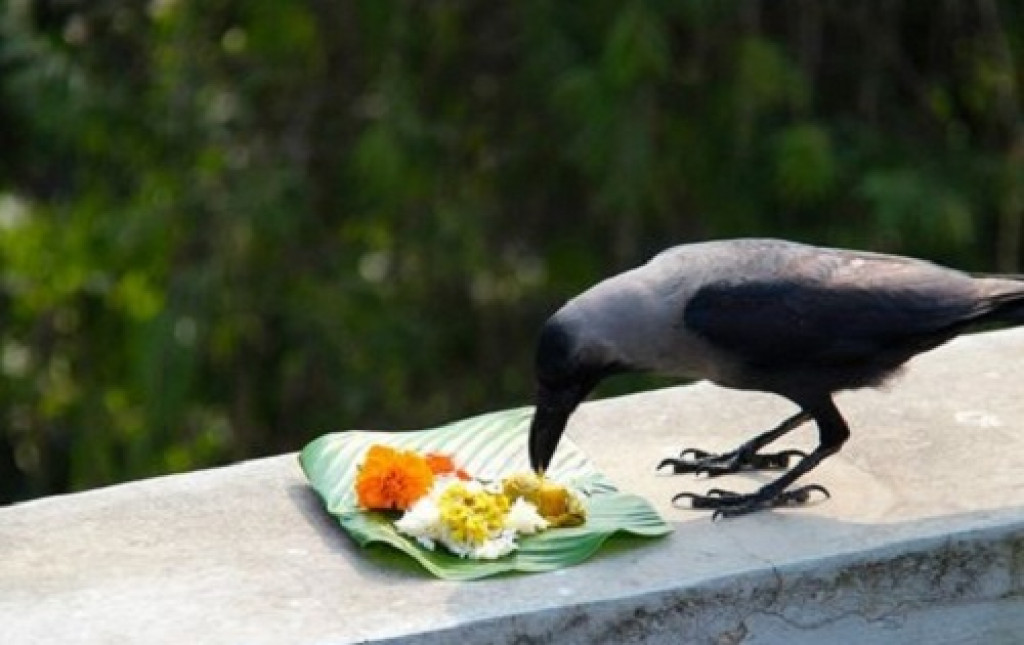
The festival begins with Kag Tihar, the day dedicated to crows. In Nepali tradition, crows are regarded as messengers of Yama and bearers of news, both good and bad. To avert sorrow and misfortune, people offer rice, grains, and food to crows early in the morning by placing them on rooftops or open courtyards.
This ritual expresses the Nepali belief in harmony between nature and humanity. Feeding the crows is not merely symbolic; it represents a prayer for protection from grief and an acknowledgment of all creatures’ role in the cycle of life and death.
Day 2: Kukur Tihar – Celebrating Loyalty and Companionship
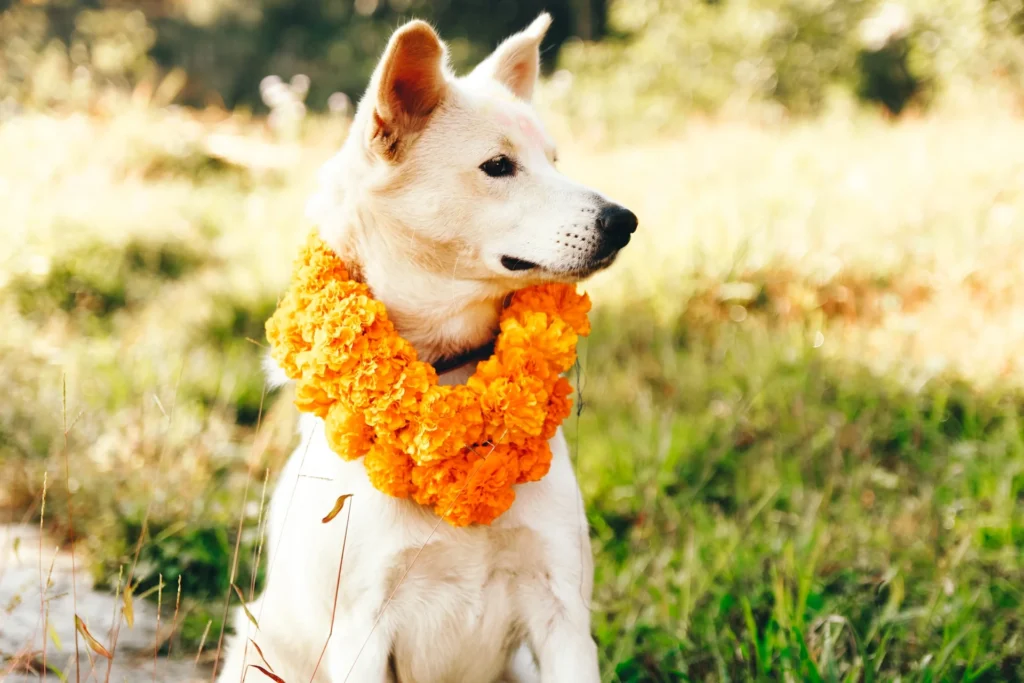
The second day, Kukur Tihar, is dedicated to dogs, revered for their loyalty, protection, and faithfulness. In Hindu mythology, dogs are associated with Bhairava, an incarnation of Lord Shiva, and serve as guardians at the gates of heaven and the underworld.
On this day, dogs, both pets and strays, are lovingly decorated with tika, flower garlands, and offered delicious meals. They are fed milk, eggs, meat, and bread, honoring their unwavering service to humankind. In cities like Kathmandu and Pokhara, the sight of garlanded dogs walking proudly through the streets has become an iconic and heartwarming image of Tihar. Kukur Tihar beautifully demonstrates Nepal’s compassion and inclusivity, a festival that transcends human boundaries to celebrate all living beings.
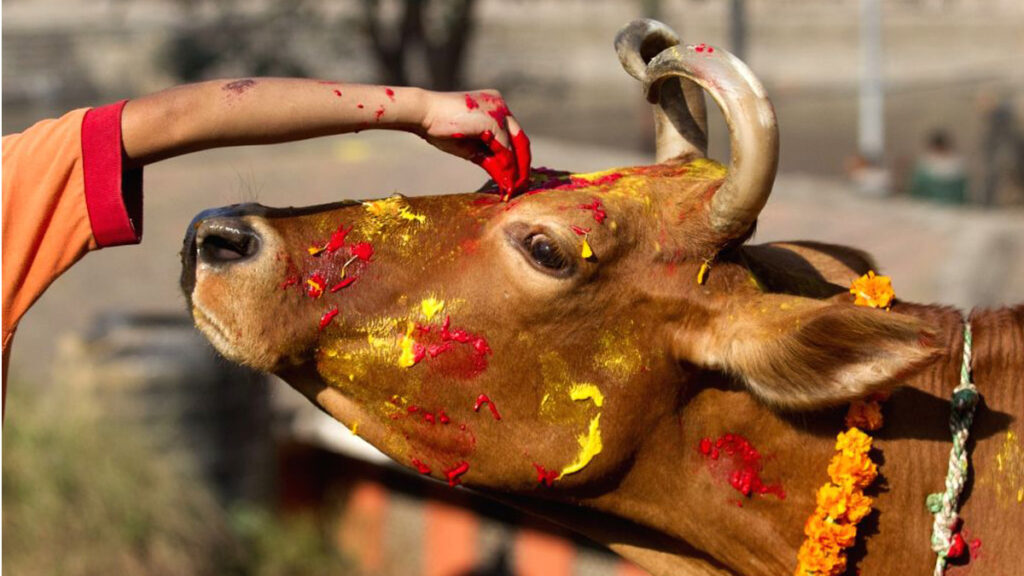
Day 3: Gai Tihar and Laxmi Puja – Worship of the Sacred Cow and the Goddess of Wealth
The third day of Tihar holds special importance, as it celebrates two significant rituals: Gai Tihar in the morning and Laxmi Puja in the evening.
Gai Tihar – Honoring the Cow
Cows, regarded as symbols of wealth, nourishment, and motherly love, occupy a sacred position in Hindu culture. On Gai Tihar, families adorn cows with tika and garlands and offer them fruits and special meals. The cow’s milk, dung, and urine are considered purifying substances in Hinduism, linking the animal directly to the sustenance and sanctity of human life. In rural areas, cows are allowed to roam freely, and people feed them as an act of gratitude, acknowledging their vital role in agriculture and household prosperity.
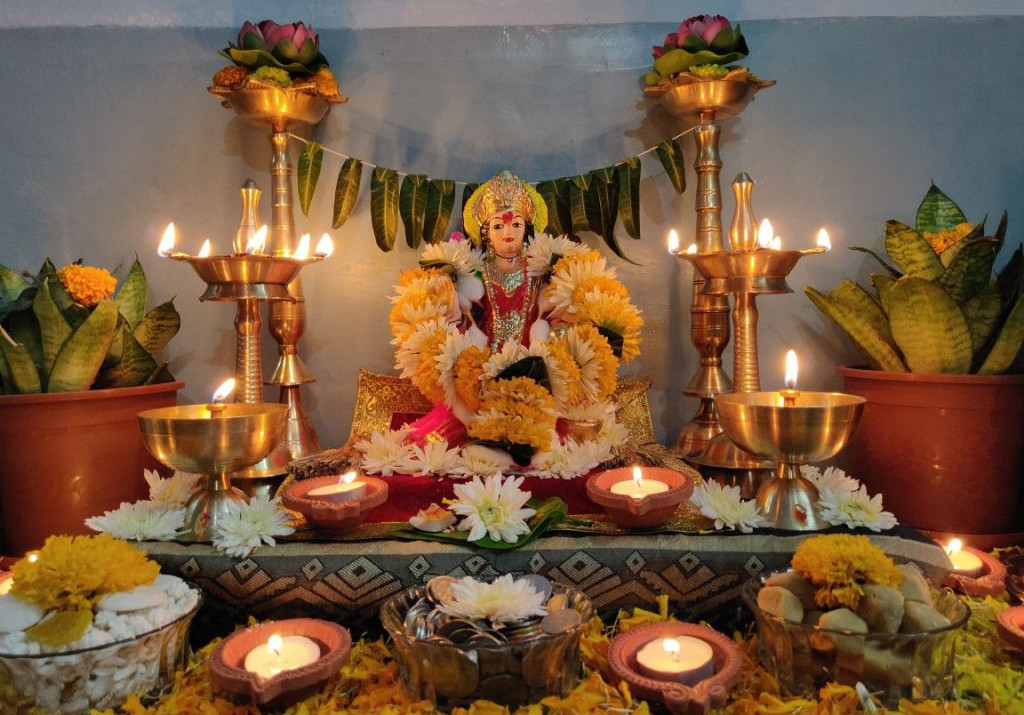
Laxmi Puja – Inviting the Goddess of Fortune
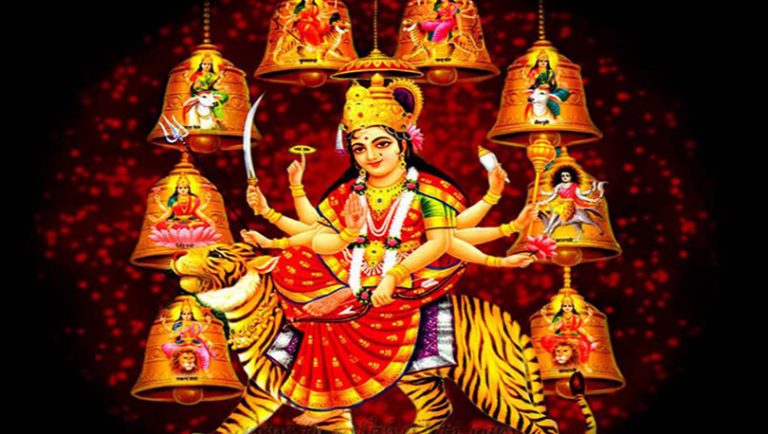
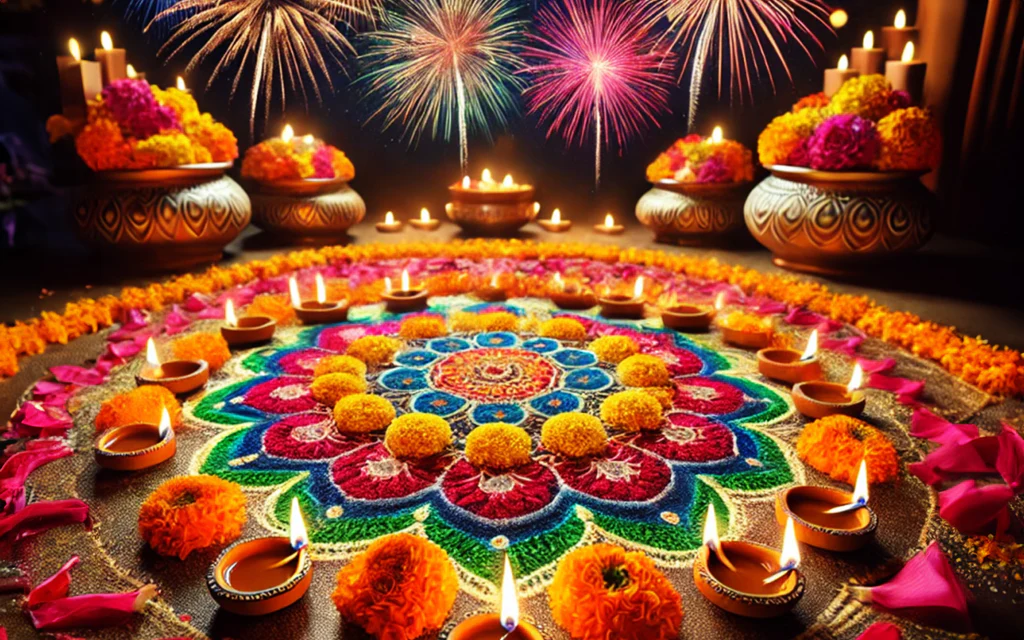
As evening falls, homes across Nepal glow with thousands of diyo (oil lamps) and electric lights, marking Laxmi Puja, the worship of the goddess of wealth and prosperity. It is believed that Goddess Laxmi visits only those homes that are clean, bright, and welcoming. Families therefore spend the day cleaning and decorating their homes with colorful rangoli patterns, marigold garlands, and footprints symbolizing the goddess’s arrival.
Devotees light lamps in windows, doorways, and courtyards, transforming cities and villages into dazzling seas of light. Children and youths go door to door singing bhailo songs, traditional folk performances that express joy, blessings, and gratitude. In return, they receive sel roti (a homemade rice-bread delicacy), sweets, and gifts, spreading happiness throughout the community.
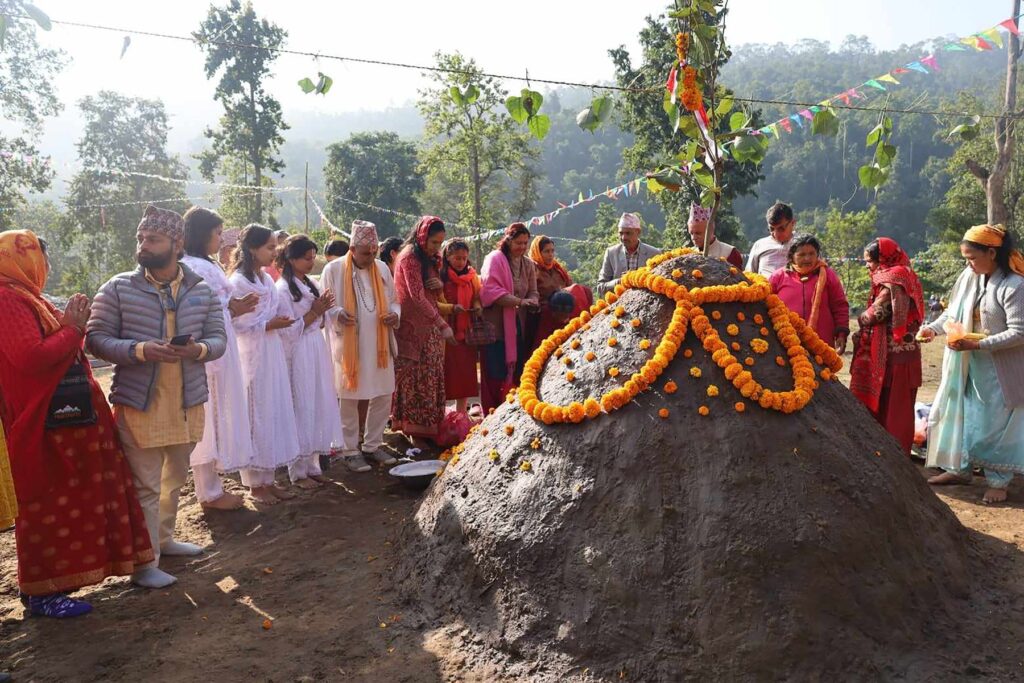
Day 4: Govardhan Puja and Mha Puja – Respect for Labor and Self
The fourth day of Tihar differs across regions and ethnic groups, with diverse rituals that reflect Nepal’s rich cultural mosaic.
Govardhan Puja – Worship of Oxen
In the Hindu calendar, Govardhan Puja is dedicated to oxen and Lord Krishna. The oxen, crucial in traditional farming, are decorated with garlands and tika and fed special meals as a token of appreciation for their hard work in plowing fields and supporting agricultural livelihoods.
In some households, people create symbolic mounds of cow dung representing Govardhan Hill, which Lord Krishna is said to have lifted to protect villagers from torrential rains. The ritual highlights the connection between divine protection and agricultural prosperity.
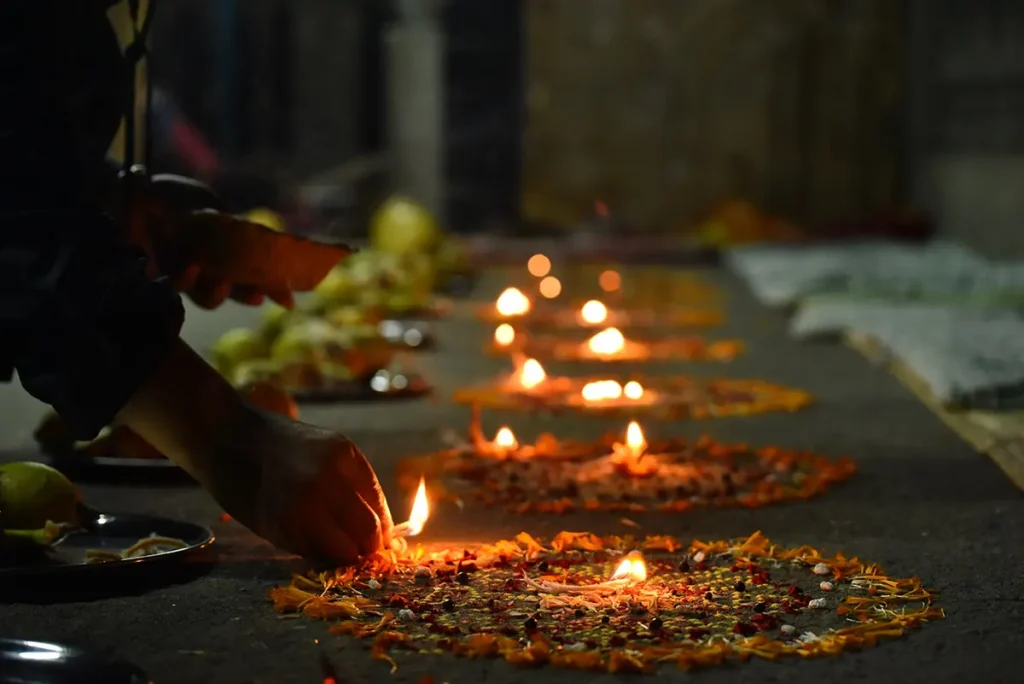
Mha Puja – Worship of the Self
Among the Newar community, this day is celebrated as Mha Puja, or “self-worship.” It coincides with the Newar New Year, known as Nepal Sambat. During Mha Puja, each family member sits in front of a mandala, a sacred geometric design made from colored powders and grains, and performs rituals symbolizing the purification of body and soul. The ceremony signifies self-respect, spiritual awareness, and renewal for the year ahead. It is a moment of introspection, where one prays for physical health, mental clarity, and inner peace.
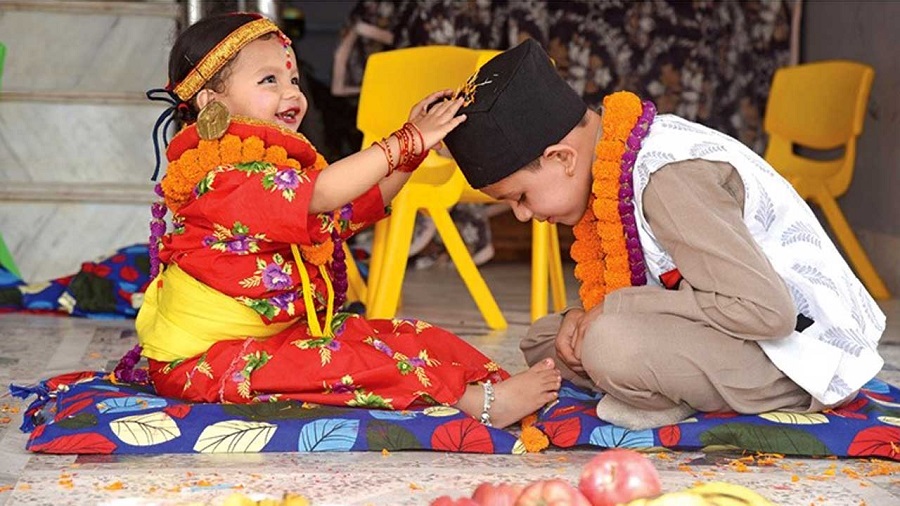
Day 5: Bhai Tika – The Celebration of Sibling Love
The final day, Bhai Tika, is one of the most emotional and cherished days of Tihar. It celebrates the unbreakable bond between brothers and sisters. Sisters apply a tika of five colors, red, yellow, green, blue, and white, on their brothers’ foreheads, wishing them long life and protection from evil. Brothers, in return, offer gifts and blessings to their sisters, pledging lifelong support and love.
The ritual is accompanied by offerings of fruits, sweets, and sel roti, and the exchange of garlands made of marigold and sacred threads. The atmosphere is filled with warmth, laughter, and affection as families gather to renew their connection and gratitude.
Festival of Lights and Togetherness
Throughout the five days, Tihar transforms Nepal into a land of lights and music. Streets, homes, and temples shimmer under the glow of diyo and electric bulbs. Communities come alive with traditional music, deusi-bhailo performances, and social gatherings that bridge generations.
Tihar’s culinary delights, from sel roti and anarsa to homemade sweets and dried fruits, add to the festive joy. The air is filled with the scent of marigolds, incense, and freshly prepared delicacies, while children play games and light small fireworks, adding sparkle to the nights.

Symbolism and Essence of Tihar
Tihar is not just a festival of worship, it is a celebration of life itself. It teaches respect for all living beings, promotes harmony within families, and celebrates prosperity and gratitude. The rituals emphasize the interconnectedness of humans, animals, nature, and the divine.
It is a reminder that light dispels darkness not only in the physical world but also within the heart. Each lamp lit during Tihar symbolizes hope, each tika a blessing, and each song a bond of unity. As the nation celebrates this vibrant festival, Tihar continues to embody Nepal’s timeless values of faith, compassion, and togetherness, illuminating homes and hearts alike with the enduring light of love and prosperity.