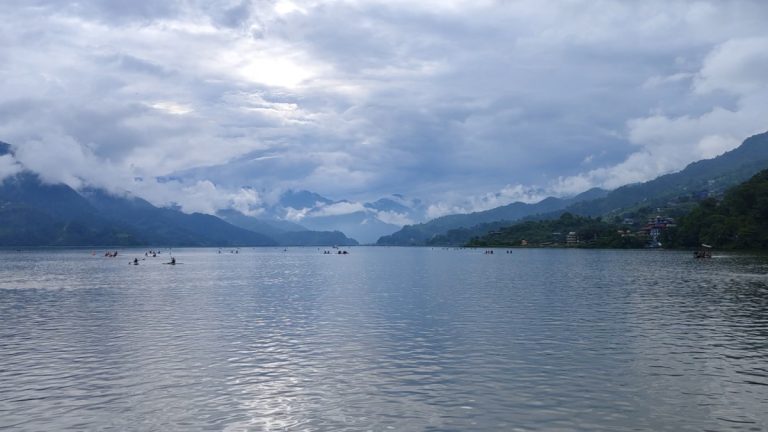
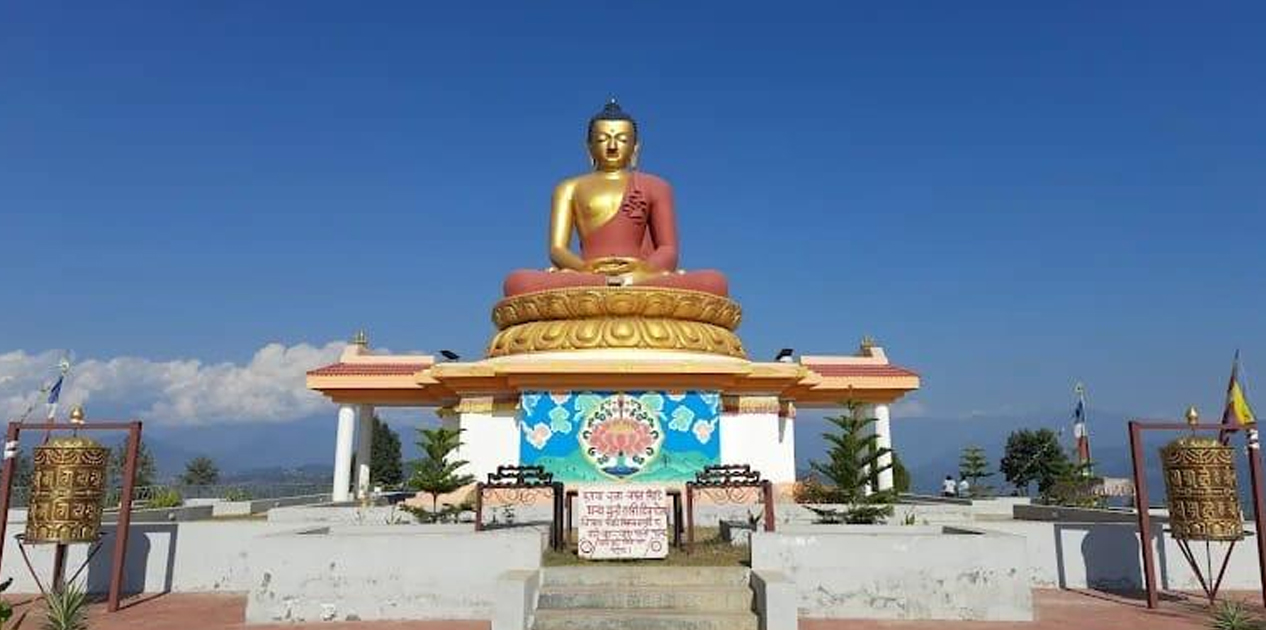
Kotthumka, a scenic destination in Ward No. 10 of Mandandeupur Municipality, Kavrepalanchok district, is emerging as a promising tourism destination in Nepal. Also known as Buddha-Thumka, the destination lies in the Chandeni-Mandan area and is renowned for its panoramic Himalayan views, peaceful natural surroundings, and religious and cultural heritage. Despite its diverse attractions, Kotthumka remains relatively underexplored. Improved infrastructure, strategic tourism promotion, and greater government support could help establish the destination as an attractive choice for domestic and international visitors.
Panoramic Himalayan Views and Natural Beauty
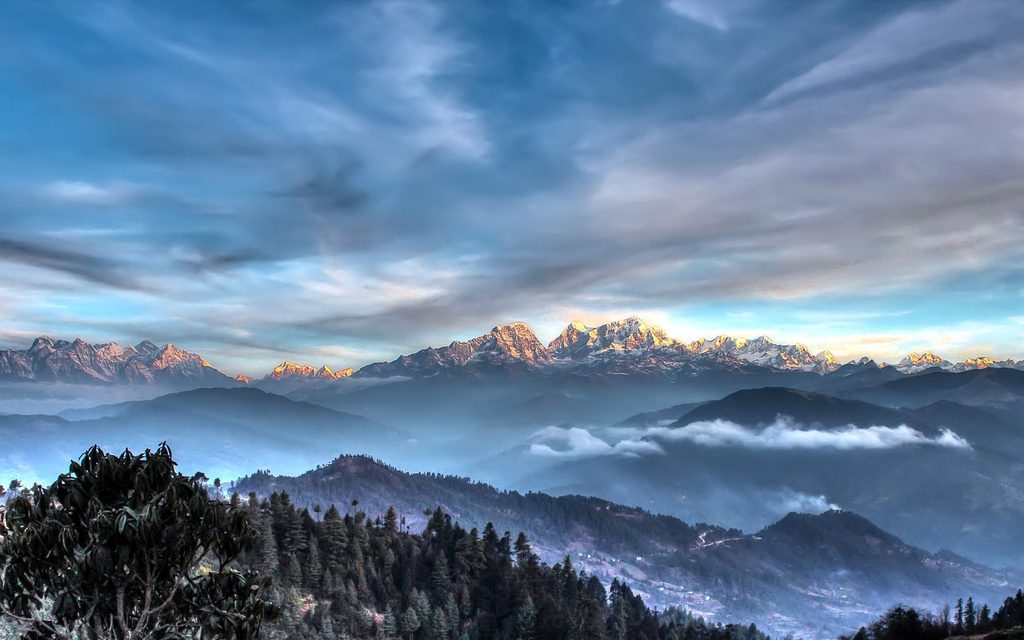
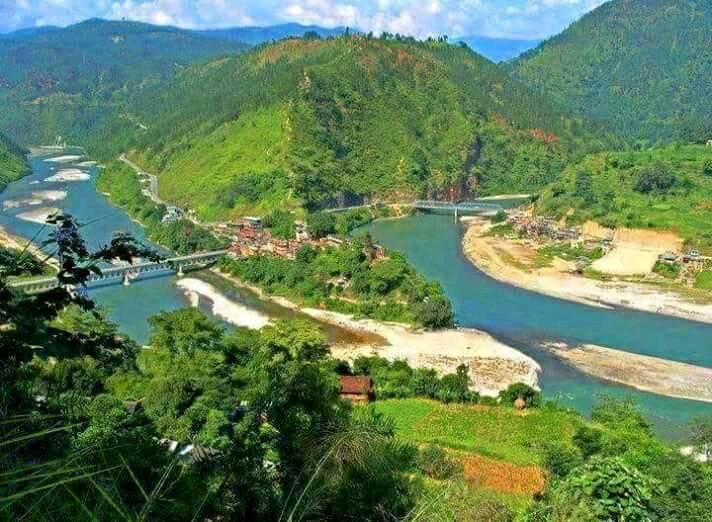
Situated at an elevation of approximately 2,500 meters above sea level, Kotthumka lies around 30 kilometers northeast of Dhulikhel. On clear days, visitors can enjoy views of Mount Everest and the Ganesh, Jugal, Gaurishankar, and Langtang Himalayan ranges. The area’s green hills, tranquil environment, and diverse landscapes make it suitable for hiking, sightseeing, nature photography, and short nature-based getaways. The nearby Indrawati River adds to the region’s natural appeal, while the blooming rhododendrons during February and March offer a seasonal attraction for visitors.
Religious Heritage and Cultural Attractions
Kotthumka’s tourism appeal extends beyond its natural scenery. The surrounding area features several religious and cultural sites, including Umadevi Temple, Kashyapeshwar Mahadev Temple, Gupteshwar Mahadev Cave, and Kharka Pond. These attractions provide opportunities to combine religious visits with hiking and cultural exploration. Buddha Park at Rampur Bhimsen Thumka is another notable attraction.
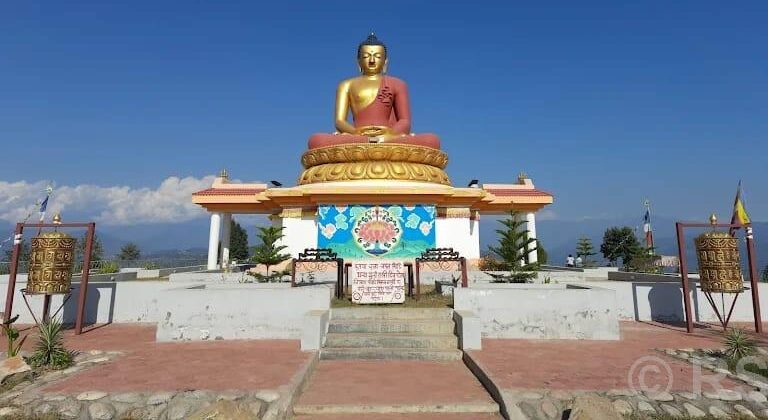
Developed following the devastating earthquake of 2015, the park features a Buddha statue initiated by Sri Lankan Buddhist monk Bhante Vimala to promote world peace, according to local community leader Ganesh Parajuli. An investment of approximately Rs. 40 million was made in the Buddha statue and related infrastructure. Known among Buddhist followers as “Samadhi Buddha Mountain,” the site has strengthened the area’s potential for Buddhist pilgrimage and spiritual tourism.
Accessibility and Visitor Facilities
Kotthumka can be reached by road or through hiking routes from the Mandan area and the vicinity of Dolalghat. Nearby Thandanda offers drinking water and accommodation facilities, creating opportunities to connect the destination with other attractions in the region.
However, further improvements are needed to make the area more accessible and visitor friendly. Upgrading road access, developing and maintaining hiking trails, establishing resting places and information points, and ensuring adequate sanitation, drinking water, and accommodation would help improve the visitor experience. Developing a well-planned tourism circuit linking Kotthumka with nearby religious, cultural, and natural attractions could encourage visitors to spend more time in the region.
Local Communities Seek Government Support
Local stakeholders have emphasized the need for coordinated efforts to develop Kotthumka’s tourism infrastructure and increase its visibility. Local teacher Shalikram Shrestha has highlighted the importance of support from both local and federal governments, while social worker Ram Bahadur Tamang has stated that discussions are underway with community leaders to identify the infrastructure required for tourism development.
Although local communities have taken an interest in promoting the destination, residents believe that sustained investment and institutional support are essential to achieving wider recognition. Coordination among municipal, provincial, and federal authorities, alongside private-sector participation, could help address infrastructure gaps and strengthen tourism promotion.
Tourism Development Could Create Local Opportunities
The development of Kotthumka as a recognized tourist destination could generate employment and income for surrounding communities. Increased visitor arrivals could benefit local accommodation providers, restaurants, transport operators, guides, and small businesses. Its combination of Himalayan scenery, religious landmarks, cultural attractions, and hiking opportunities offers the potential to attract pilgrims, nature enthusiasts, domestic travelers, and international tourists. Targeted publicity, digital promotion, community-based tourism initiatives, and improved visitor services could help bring these opportunities to fruition.
At the same time, tourism development should prioritize environmental conservation, protection of cultural heritage, responsible waste management, and meaningful community participation to ensure long-term benefits. With its distinctive natural beauty and religious significance, Kotthumka has the potential to become an important tourism destination in Kavrepalanchok. Strengthened infrastructure, effective promotion, and coordinated development efforts could bring greater recognition to the area while creating sustainable economic opportunities for local residents. Greater investment today could help transform Kotthumka from an underexplored destination into a rewarding experience for travelers seeking Nepal’s natural and cultural treasures.