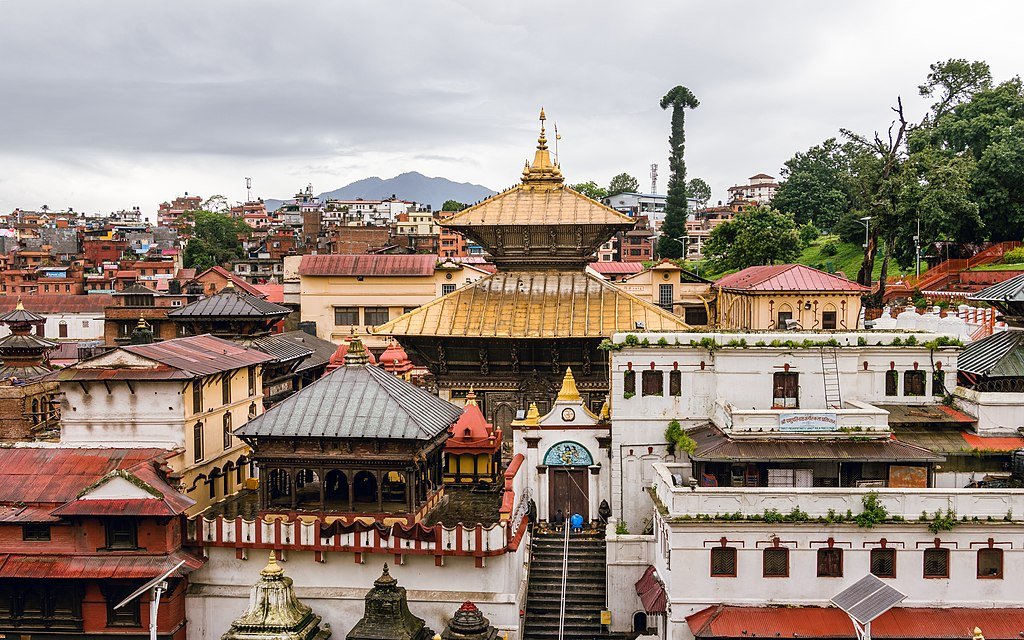
Mahashivratri occurs on the fourteenth day of each lunar month, just before the new moon. Among the twelve Shivaratris observed throughout the year, the one that falls in February or March is considered the most sacred and is celebrated as Mahashivratri, the “Great Night of Shiva.” This night holds profound spiritual importance because of a unique planetary alignment that is believed to elevate human energy. Ancient yogic traditions explain that the natural upward movement of energy on this night makes it highly conducive to meditation, self-reflection, and inner transformation. To benefit from this phenomenon, devotees stay awake all night, often sitting with a straight spine to allow energy to flow freely within the body.
Cultural and Spiritual Significance
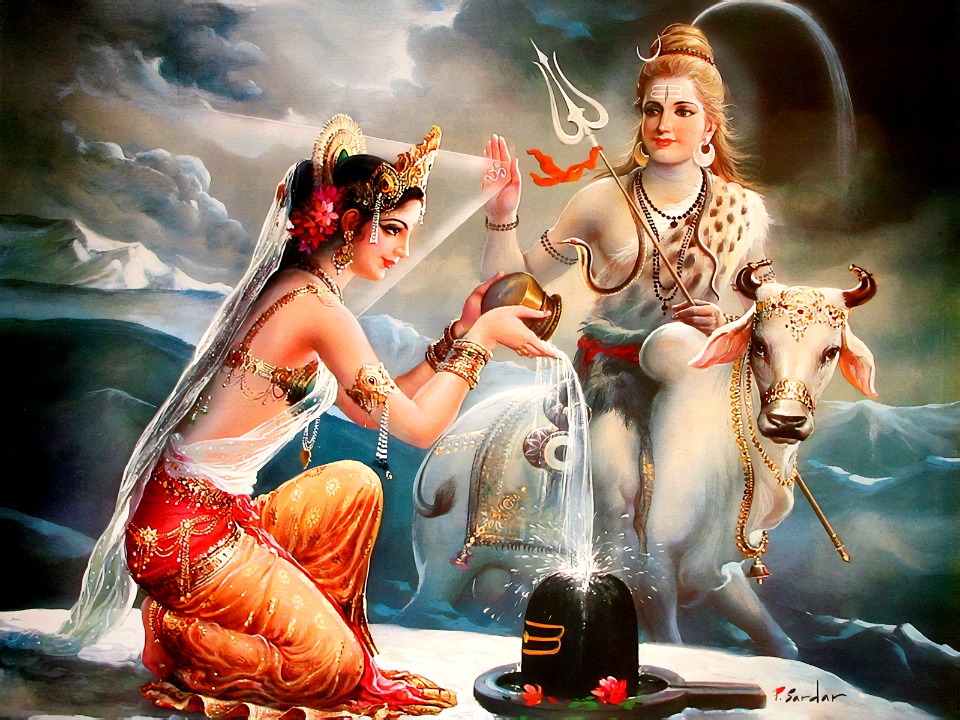
Mahashivratri carries different meanings for different people, making it a festival that unites diverse spiritual paths. For householders, it commemorates the divine union of Shiva and Parvati, symbolizing harmony, love, and balance in family life. Devotees with worldly ambitions view the night as a reminder of Shiva’s triumph over ignorance and obstacles, inspiring strength and determination. For ascetics and yogis, the occasion marks the moment when Shiva attained absolute stillness and merged with the majestic Mount Kailash, becoming one with existence itself. Thus, Mahashivratri is not only a religious observance but also a celebration of inner conquest and transcendence.
Shiva as the Adi Guru in Yogic Tradition
In yogic philosophy, Shiva is revered as the Adi Guru, the first teacher who transmitted the knowledge of yoga to humanity. Mahashivratri is therefore regarded as a night dedicated to stillness, awareness, and receptivity. Yogis believe that this is the time when the boundaries between the individual self and the universal consciousness can dissolve more easily. The term “yoga” itself means union, and a yogi has realized the oneness of existence. Mahashivratri provides seekers with a rare opportunity to experience this unity, moving beyond intellectual understanding to direct inner experience.
The Science of Energy and Oneness
Modern scientific thought increasingly echoes ancient spiritual insights. Science suggests that everything in the universe, matter, life, and galaxies, emerges from a single source of energy manifesting in countless forms. Yogic science has long maintained this view, asserting that existence is fundamentally one, though perceived as many. Mahashivratri is celebrated as a reminder of this universal connection, encouraging individuals to align themselves with the cosmic rhythm. Through meditation, chanting, and conscious awareness, devotees attempt to experience the underlying unity that binds all creation.
The Symbolism of Darkness
Mahashivratri falls on the darkest night of the lunar month, which may seem paradoxical for a celebration. Human beings often associate light with positivity and darkness with fear or ignorance. However, in yogic understanding, “Shiva” literally means “that which is not”, the vast, unmanifest emptiness from which all creation arises. This darkness is not negative; rather, it represents infinite potential. Just as the universe expands within immeasurable space, existence itself unfolds within this boundless void.
Emptiness as the Source of Creation
Despite the countless galaxies studied by astronomers, they occupy only a fraction of the immense emptiness that surrounds them. This infinite space is seen in yogic philosophy as the true nature of Shiva, the ultimate reality beyond form and limitation. Contemporary science also recognizes that everything originates from what appears to be nothingness and eventually dissolves back into it. This cyclical process of creation, sustenance, and dissolution reflects the essence of Mahadeva, the great cosmic principle represented by Shiva.
Darkness, Light, and the Quest for Liberation
Spiritual traditions across cultures describe the divine as omnipresent. If something must be present everywhere, it cannot be limited like light, which depends on a source. Darkness, or pure space, exists independently and endlessly. For those seeking material well-being, divinity may be envisioned as light, symbolizing clarity and prosperity. But for seekers of liberation, those wishing to transcend the cycle of life and death, the divine is understood as the infinite void, the origin and final destination of all existence.
Mahashivratri as an Inner Journey
Mahashivratri ultimately invites individuals to look inward. Beyond rituals and celebrations, it is a night to encounter the vast stillness within oneself. Shiva embodies both destruction and compassion: destruction of ignorance and illusion, and compassion that nurtures awakening. Staying awake through the night symbolizes alertness to life’s deeper truths, while meditation represents the journey toward self-realization.
Mahashivratri is therefore not merely a festival marked by prayers and offerings; it is an opportunity to reconnect with the fundamental nature of existence. It reminds humanity that beneath the noise of daily life lies a profound silence, the same silence from which the universe emerged. Observing this sacred night with awareness allows one to experience that boundless presence within, making Mahashivratri a celebration of awakening, unity, and the eternal mystery of creation.