Kazakh mountaineer Galymzhan Kuspanov successfully reached the summit of Mera Peak (6,476 meters) on May 12, 2026, marking another achievement in Nepal’s ongoing Himalayan climbing season.
Kuspanov completed the ascent under the guidance of experienced Nepali climber Ngawang Nuru Sherpa. The successful summit was confirmed by expedition organizers, who described the climb as another memorable achievement in the Himalayas.

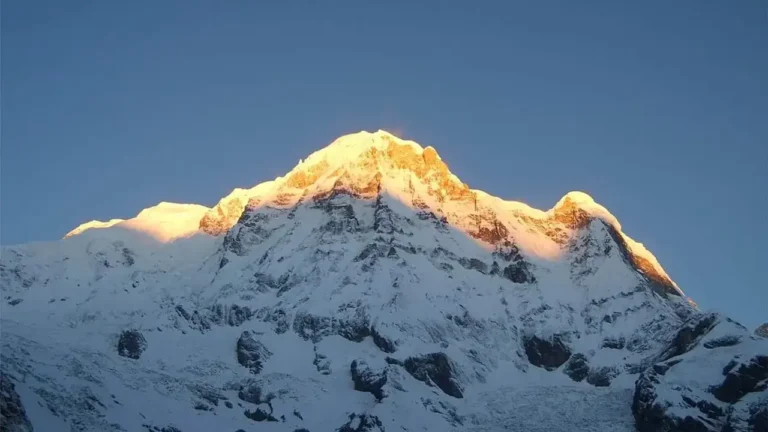
Mera Peak, located in the Khumbu region of eastern Nepal, is considered one of the country’s most popular trekking peaks and attracts climbers from around the world each year due to its stunning mountain scenery and relatively accessible climbing route.
Guided by Experienced Sherpa Climber
The expedition was led by Ngawang Nuru Sherpa, whose guidance and high-altitude expertise played an important role in the successful ascent. Sherpa climbers continue to be recognized globally for their unmatched mountaineering skills and vital contribution to Himalayan expeditions.
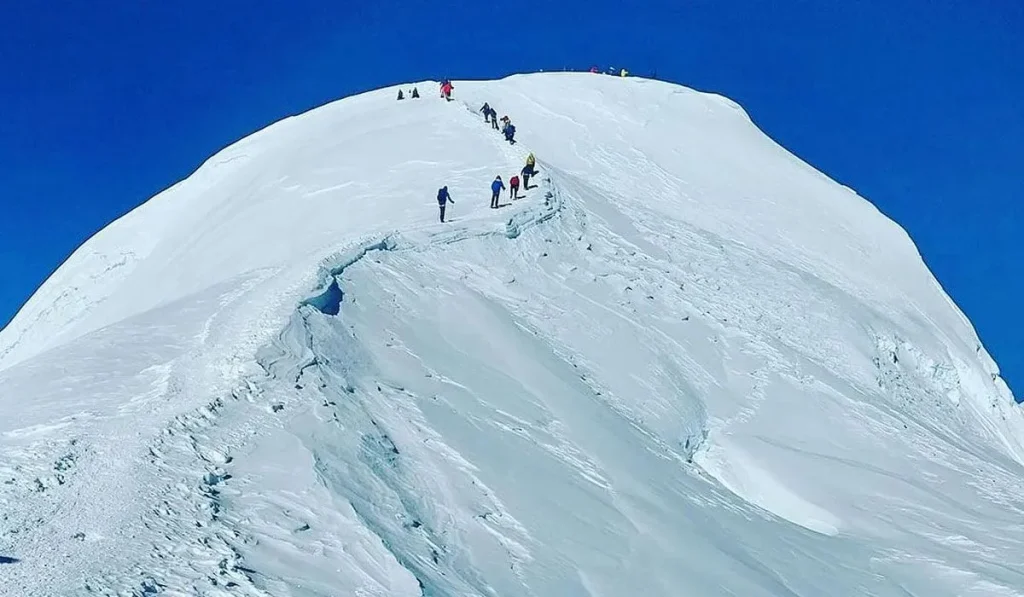
Mountain guides are responsible for route management, climber safety, acclimatization support, and technical assistance during summit pushes, especially in high-altitude environments where weather conditions can rapidly change.
Mera Peak Remains Popular Among International Climbers
Standing at 6,476 meters, Mera Peak is the highest trekking peak in Nepal and offers panoramic views of several of the world’s tallest mountains, including Everest, Lhotse, Makalu, Cho Oyu, and Kanchenjunga. The peak has become increasingly popular among international climbers seeking high-altitude Himalayan experience before attempting more technical mountains such as Mount Everest.
Tourism and expedition operators say climbing activities on trekking peaks like Mera continue to contribute significantly to Nepal’s mountain tourism industry, supporting local guides, porters, lodges, and Himalayan communities.

Himalayan Climbing Season Continues
Nepal’s 2026 spring mountaineering season has seen a steady flow of climbers across major Himalayan peaks despite challenging weather conditions in some regions.
As summit activities continue across the country, successful ascents such as Kuspanov’s highlight Nepal’s enduring appeal as one of the world’s leading destinations for adventure tourism and high-altitude mountaineering.