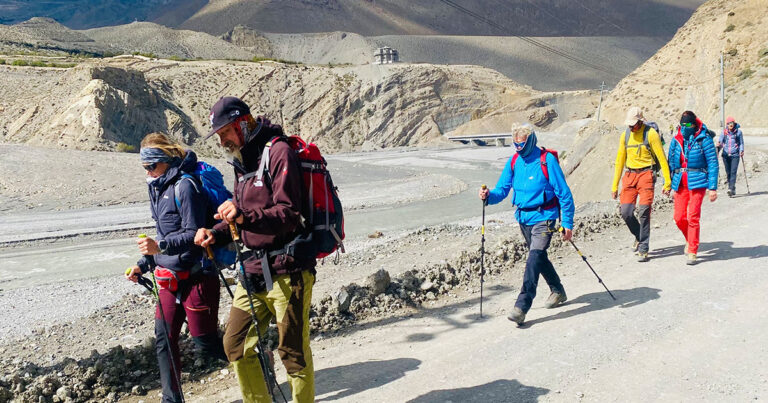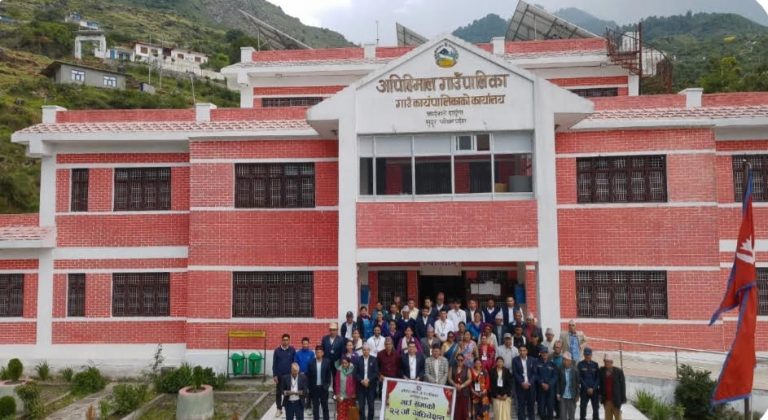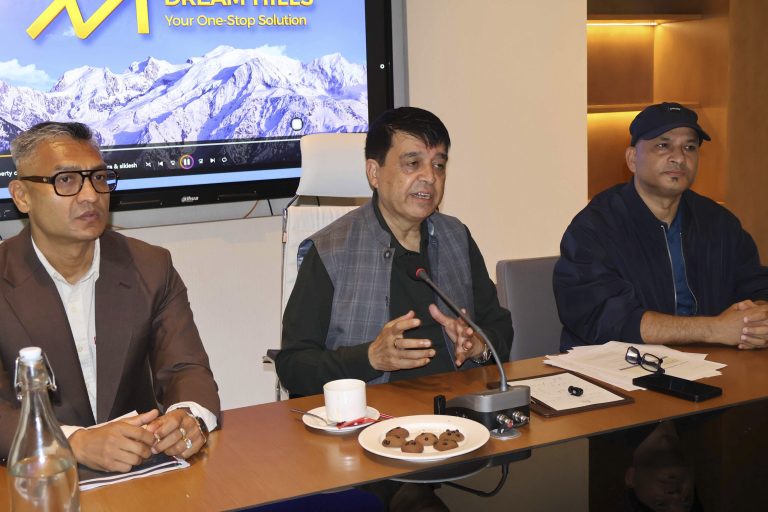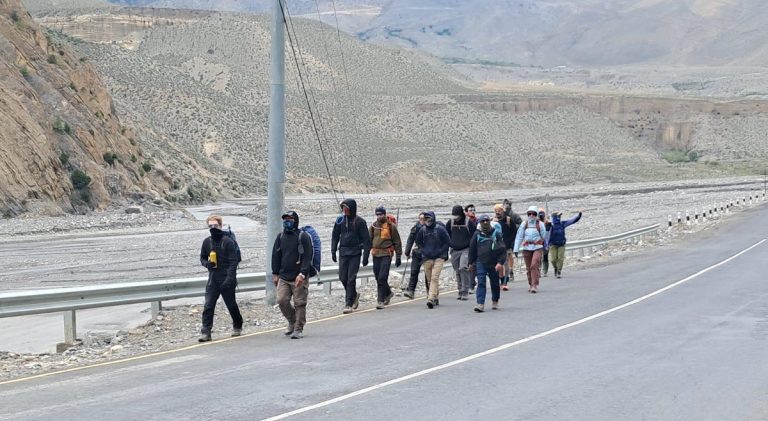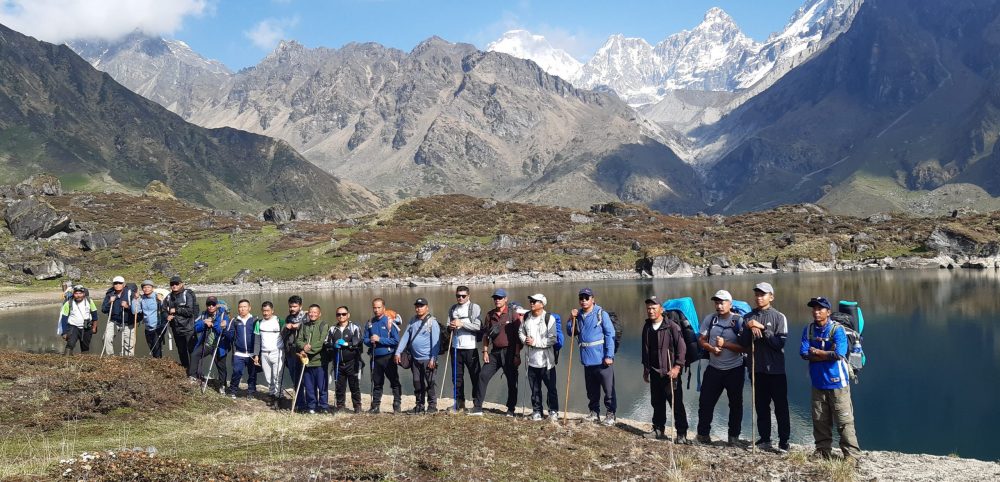
The mid-hill trail known as the Millennium Trek (Sahasrabdi Trek) has witnessed renewed interest in recent years, as local communities and tourism stakeholders intensify their efforts to promote it as a unique hiking destination in Nepal. Originally inaugurated in 2056 BS, the trail had seen a period of inactivity but is now regaining momentum through the active involvement of the Millennium Trek Management Committee and growing awareness among local residents.
Revival of the Trekking Route
Stretching from Dulegauda in Tanahun to Rambachha in Syangja, the 72-kilometer Millennium Trek offers a blend of culture, history, and natural beauty. Though it experienced a lull in popularity for some years, the concerted initiatives of the committee and local stakeholders have helped reestablish it as an attractive option for both domestic and foreign tourists.
According to Harka Gurung, General Secretary of the Millennium Trek Management Committee, the number of visitors has been steadily increasing in recent years. Tourists now include Nepali hikers and international travelers seeking authentic mid-hill trekking experiences.

Trail Geography and Mapping
First mapped in 2064/65 BS, the trail lies between altitudes of 420 meters and 1,715 meters above sea level. A second round of mapping has since incorporated parts of Pokhara Metropolitan City, broadening the trek’s coverage and accessibility. The trail is considered ideal for those who cannot venture into higher Himalayan altitudes but still wish to experience the joys of trekking.
Growth of Homestay Tourism
One of the most striking developments along the trek has been the rise of community-based homestays. Locals have embraced the opportunity to host visitors, providing both accommodation and cultural immersion.
Bal Kumar Gurung, member of the committee and chairperson of Millennium Bhaisegauda Community Homestay, explained that homestays have been established in multiple settlements, offering affordable and authentic rural experiences. This initiative has not only enriched the trekking experience but also generated sustainable income for local families.
Seven-Day Trekking Itinerary
The full trek typically takes seven days to complete, though shorter hikes of one to three days are also popular among visitors.
- Day 1: Trekkers begin at Gachhepani’s Rock Garden in Dulegauda, then proceed through religiously significant Chyawan Dham and Dhorbarahi Temple, before reaching Rajsthal, where homestay facilities are available.
- Day 2: Travelers head toward Gharedi or Sadikhola, with a visit to the historic Millennium Cave, one of the trek’s most fascinating attractions. Homestays are operational at both destinations.
- Day 3: The journey continues via Kalkhu and Raipur to Kolma, where homestays and restaurants offer rest and refreshment.
- Day 4: Trekkers move from Bhaisegauda to Chandrakot, enjoying services at Bhaisegauda Community Homestay and Chandrakot Homestay. Other villages such as Jyamire and Chiruwa also provide accommodations.
- Day 5: The route passes through Gairiswahara, Banethok, Bhanjyang, Deupuje Dhunga, and Singarkot, before reaching Budhakot, a site of historical significance. Homestays in Kegha Deurali and Budhakot cater to visitors.
- Day 6: The trek leads through Ramche and Gahete Manakamana to Suntalabari, both of which offer welcoming homestays.
- Day 7: Finally, tourists proceed to Rambachha, completing the trek. From there, they may continue toward Syangja Bazaar or return to Pokhara.
Scenic and Cultural Attractions
Beyond trekking, the Millennium Trek provides panoramic views of the Himalayan ranges to the north, the Suraundi River below, and lush green hills all around. Trekkers can also spot historical and religious landmarks such as the Malla-era Kotbhairav Temple in Bharatpokhari, Hudikot, Barpandethum, Nirmal Pokhari, Foksingkot, and Krishti.
Cultural heritage sites like the 300-year-old Dhor Mulkot Palace, forts, shrines, and sacred sites such as Deuti Bajyai’s Shrine, Takshar Ghar, Bhirkot Kalika Temple, and Jantedhunga in Raipur add immense cultural depth to the journey. Historical places like Gahete Manakamana and Budhakot at 1,709 meters remain largely unexplored but hold strong potential for tourism promotion.
Support from Nepal Tourism Board
The Nepal Tourism Board (NTB) Gandaki Province Office has been actively supporting the promotion of the trek. According to NTB Gandaki Province Chief Mani Raj Lamichhane, the board has been continuously assisting in infrastructure development and branding initiatives.
Recent efforts include the installation of signage posts along the trail and regular promotion campaigns. These initiatives aim to position the Millennium Trek as a distinctive product in Nepal’s diverse trekking market.
Opportunities for Inclusive Tourism
The trek is suitable for a wide range of travelers, including children and elderly trekkers, thanks to its moderate altitude and well-distributed resting points. With infrastructure steadily improving, the trek is increasingly accessible to diverse groups of hikers.

General Secretary Gurung highlighted that showcasing the trail’s abundant natural and cultural assets to the global tourism market could significantly boost trekking tourism in Nepal. “If we can present the Millennium Trek to the world, it will yield substantial benefits for our trekking tourism sector,” he said.
Future Outlook
Local stakeholders remain optimistic about the trek’s potential. They believe that a combination of infrastructure development, effective promotion, and strong community involvement will enable the Millennium Trek to emerge as a globally recognized trekking route.
As homestays expand and cultural heritage sites gain visibility, the trek stands poised to attract adventure seekers, cultural tourists, and eco-tourists alike. With its balanced mix of scenic landscapes, religious landmarks, and authentic rural hospitality, the Millennium Trek is on track to become a flagship trekking destination in Nepal’s mid-hill region.