Currently, the entire country is under the influence of the monsoon system, and rainfall activity continues across various regions. According to the Department of Hydrology and Meteorology (DHM), the monsoon trough on Wednesday morning was positioned near the average location, indicating that monsoonal conditions are active and ongoing throughout Nepal.
Light to Moderate Rain Observed in Several Locations
As per DHM updates, light to moderate rainfall was recorded in some locations across all seven provinces during the morning hours. In the western Terai, particularly in Kailali district, significant precipitation was observed. Sadepani of Kailali recorded 21.2 millimeters of rain within a single hour, highlighting the intensity of local monsoonal activity. Similarly, Tikapur, another location in Kailali, recorded 19.6 millimeters of rainfall, reflecting sustained precipitation in the region. These figures underscore the typical mid-monsoon pattern of rainfall accumulation concentrated in certain pockets.
Despite being widespread, the rainfall distribution remains scattered in nature, meaning some areas experience heavy downpours while neighboring locations may see little to no rain. This uneven spread is characteristic of Nepal’s monsoon, driven largely by local topography, wind flow, and atmospheric moisture content.
Daytime Weather Forecast: Cloudy Skies and Thunderstorms in Hill Regions
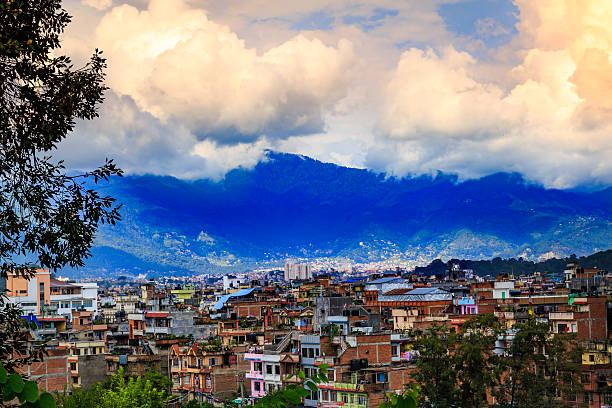
The afternoon forecast for Wednesday indicates partly to generally cloudy conditions across the country. The Department expects scattered to widespread cloud cover over all provinces, with varying degrees of intensity depending on the region. Specifically, light to moderate rain, accompanied by thunder and lightning, is expected in several hilly regions including Koshi Province, Bagmati Province, and Gandaki Province.
According to the meteorologists, these hilly and mountainous areas are more prone to convective activity during the daytime due to solar heating, which leads to cloud formation and thunderstorm development. Areas in the mid-hills and the foothills of the Himalayas are particularly susceptible to such weather phenomena.
There is also a chance of isolated heavy rainfall in some locations within Bagmati and Gandaki Provinces. This could potentially cause localized flooding, landslides, and disruptions to transportation and daily life, especially in vulnerable rural settlements and poorly drained urban areas. The Meteorological Division has advised the public to stay updated and take precautionary measures in areas that are prone to landslides and floods during intense rain.
The Department emphasized that even light rainfall in fragile hill slopes could be dangerous due to saturated soil, which increases the risk of landslides. Local authorities have also been requested to remain alert and disseminate weather warnings in real-time to ensure community-level preparedness.
Night Forecast Predicts Continued Rainfall Across Provinces
Looking at Wednesday night’s forecast, similar weather patterns are expected to persist. Cloudy conditions will continue to dominate, and light to moderate rain with thunder and lightning is anticipated in some parts of each province.
This includes the Terai, mid-hills, and certain highland regions. The continuation of monsoon flow overnight means moisture-laden clouds will still impact weather conditions, potentially leading to scattered showers even during late-night and early-morning hours.
People are advised to be cautious while traveling, especially along hill roads that are often at risk of mudslides and waterlogging. Similarly, communities residing near riverbanks should remain alert due to the possibility of rising water levels from upstream rainfall.
The Department has not yet issued any official warnings for widespread heavy rainfall or extreme weather events, but has urged continuous monitoring of updates as the monsoon system remains active and can intensify quickly. The public can access real-time forecasts and weather bulletins via the Department’s official channels, as well as mobile alerts provided by telecom operators such as Ncell, which have partnered with government authorities to disseminate disaster-related information.
Monsoon Outlook and Safety Preparedness
As the monsoon season progresses through its peak in July, weather experts anticipate fluctuating patterns with occasional breaks, followed by intensified rainfall. With the ongoing rain, farmers across the country are actively engaged in paddy transplantation, which heavily relies on monsoon rains. While the agricultural sector benefits from adequate monsoon activity, it is a double-edged sword as rural and urban areas alike face the risk of natural disasters such as flash floods and landslides.
Emergency response units under the Ministry of Home Affairs and local disaster management committees are on standby, especially in districts previously affected by landslides or flood events. The National Disaster Risk Reduction and Management Authority (NDRRMA) continues to collaborate with local municipalities to strengthen early warning systems.
Nepal remains under moderate monsoon influence, and the weather conditions are expected to remain cloudy with intervals of light to moderate rain across the country. Residents are encouraged to remain alert, avoid unnecessary travel during peak rainfall periods, and stay informed through weather bulletins and local news updates. With a few more weeks left in the monsoon season, preparedness, awareness, and responsible response remain key to minimizing risks and protecting lives and property.