The Meteorological Forecasting Division (MFD) has reported that the monsoon’s low-pressure axis is currently positioned south of its average location. This shift indicates a slight weakening of monsoon activity across Nepal. However, moisture-laden winds from the Bay of Bengal continue to flow into the country, ensuring that rainfall will persist in various regions.
Afternoon Weather Forecast
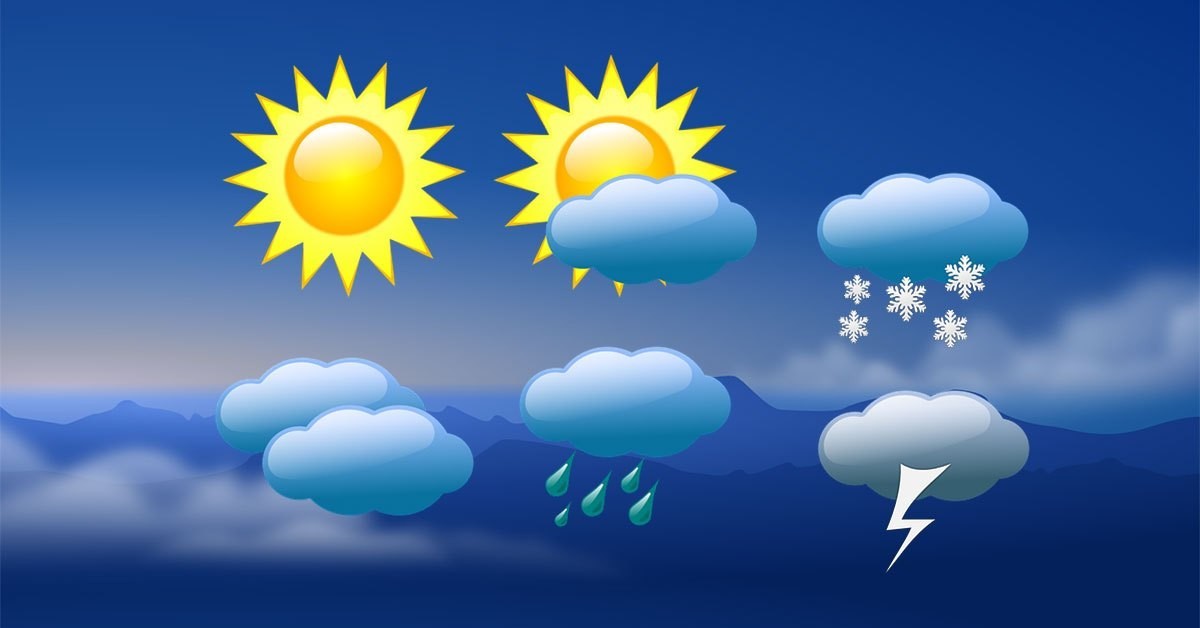
According to the MFD, the afternoon weather in Nepal will vary by region. Lumbini, Karnali, Sudurpaschim provinces, and other hilly areas will experience generally cloudy skies, while the rest of the country will see partly cloudy conditions. Moderate rainfall is expected at a few locations in Lumbini, Karnali, and Sudurpaschim provinces, as well as in some parts of the Terai. These showers, while not widespread, may still be intense enough to affect local travel and daily activities.
The MFD notes that the combination of weakened monsoon circulation and localized convection is likely to produce short but intense downpours in certain pockets. This pattern is typical during the later stages of the monsoon season, when overall rain distribution becomes less uniform.
Night Weather Forecast
During the night, the weather will remain generally cloudy in Koshi, Madhesh, Bagmati, and Gandaki provinces, along with other hilly regions. In other parts of the country, skies will be partly cloudy. Moderate rainfall is expected in several areas of the Terai and hilly belts of Madhesh, Koshi, Bagmati, and Gandaki provinces.
In addition, the MFD has predicted the possibility of heavy rainfall at one or two locations in the hilly areas of Koshi and Gandaki provinces. Heavy rain, especially in mountainous terrain, can lead to rapid runoff and localized flooding. Residents of these areas are advised to remain alert for sudden weather changes during nighttime hours.
Potential Hazards and Risk Areas
The Meteorological Forecasting Division has issued a cautionary notice regarding possible hazards caused by rainfall. In particular, hilly regions face a heightened risk of landslides and debris flows, which are often triggered by saturated soil conditions after consecutive rainy days.
Similarly, both large and small rivers, streams, and rivulets may see rising water levels, potentially affecting settlements and agricultural lands along their banks. This rise in water levels could also disrupt transportation networks, especially in rural and hilly districts where road conditions are already vulnerable during the rainy season.
The MFD’s advisory highlights the importance of remaining vigilant, especially in areas with a history of landslides or flash floods. Local governments, disaster preparedness units, and residents are urged to maintain emergency communication channels and prepare evacuation plans if necessary.
Monsoon Dynamics and Current Situation
The monsoon in Nepal is primarily influenced by moisture-bearing winds from the Bay of Bengal, which travel northwest across the country. While the monsoon axis is now positioned slightly southward, the inflow of moist air remains active, ensuring intermittent rainfall. This transitional phase can sometimes lead to localized intense showers even as the overall monsoon system appears weaker.
Meteorologists explain that a southward shift in the monsoon axis often reduces widespread, uniform rainfall but can increase the chances of heavy rain in specific pockets, particularly where topography enhances cloud formation. This is why hilly regions like those in Koshi and Gandaki provinces are still vulnerable to intense precipitation events.
Impact on Agriculture and Daily Life
The current rainfall pattern can have mixed effects on agriculture. For farmers in the Terai, moderate rainfall is beneficial for paddy and other seasonal crops, reducing the need for artificial irrigation. However, excessive rain in hilly regions can damage standing crops, wash away fertile soil, and disrupt farming activities.
In urban areas, moderate rain brings some relief from heat and dust but can also lead to temporary waterlogging, especially in cities like Kathmandu, Pokhara, and Biratnagar, where drainage systems often struggle to cope with heavy downpours. Rural roadways, especially unpaved ones, may become slippery or impassable, affecting the transport of goods and mobility of residents.
Public Advisory and Safety Measures
Given the risks, the MFD has requested the public to stay updated on weather bulletins and take necessary precautions. Residents in landslide-prone areas should avoid unnecessary travel during heavy rain, while those near riverbanks should monitor water levels closely. Motorists are advised to drive cautiously, as wet and muddy roads increase the risk of accidents.
Local authorities are encouraged to inspect drainage systems, reinforce river embankments where possible, and coordinate with emergency services to respond promptly to any weather-related incidents. Communities in remote areas should also maintain food and medical supplies in case of road closures due to landslides or floods.
Looking Ahead
While the monsoon has shown signs of weakening, meteorologists emphasize that this does not mean an immediate end to rainfall. The transition from peak monsoon to post-monsoon can still bring intense weather events. The situation will be closely monitored, and updated forecasts will be provided as necessary.
Residents across Nepal are reminded that preparedness and caution remain essential during this time. With the right measures, the risks associated with heavy rainfall can be mitigated, ensuring safety and reducing damage to property and livelihoods.