The Meteorological Forecasting Division (MFD) has reported that monsoon wind has extended its influence across the entire country, with the monsoon low-pressure trough slightly north of its average position. This shift has intensified monsoon activities, triggering a heightened risk of heavy rainfall, localized flooding, and landslides, particularly in hilly and mountainous regions.
Monsoon System Active Across Nation
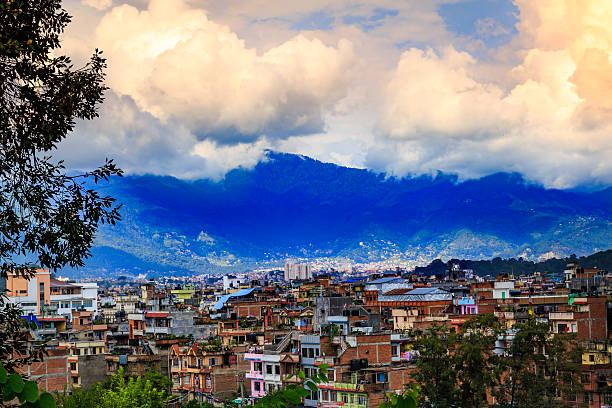
According to the MFD, the country is under full-scale influence of monsoon systems. The low-pressure trough that normally lies further south has shifted slightly northward, leading to an increased intensity and spread of rainfall. This meteorological condition is creating generally cloudy skies throughout Nepal with intermittent rainfall expected over the coming days.
The Division forecasts that light to moderate rain accompanied by thunder and lightning is likely to occur in many areas, especially in the Lumbini, Karnali, and Sudurpaschim provinces. Some parts of Bagmati, Gandaki, Lumbini, and Karnali provinces may witness heavy rainfall at one or two locations today.
Risk of Floods and Landslides Heightens
The current weather situation has raised serious concerns about natural hazards. In a statement issued today, the Division cautioned that continuous rainfall may lead to sudden swelling of both major and minor rivers and rivulets, especially in areas already saturated by previous rains.
With soils in hilly and mountainous areas already prone to saturation, the risk of landslides and debris flow remains high. The MFD has advised residents living near hills, rivers, and vulnerable slopes to remain alert and follow safety instructions issued by local authorities.
“People living in urban areas and Tarai lowlands should also stay cautious due to potential flooding, waterlogging, and disruptions to local infrastructure,” the Division emphasized.
Rain and Snow Expected in Higher Elevations
In addition to rainfall in the lowlands and mid-hills, the Division also predicted light to moderate snowfall in some high-altitude regions. One or two places in the high hilly and mountainous belts may receive snowfall tonight, especially as temperatures dip in the upper regions.
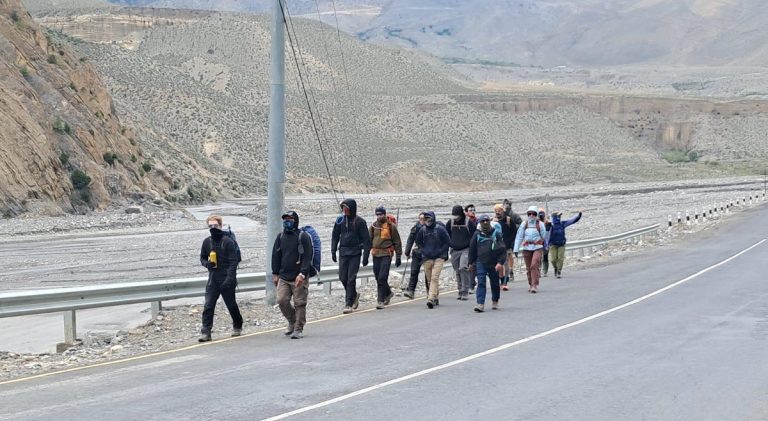
Trekking routes, high passes, and settlements near mountain trails are likely to be affected by these sudden weather shifts. Tourists and trekking groups have been advised to seek real-time weather updates and prepare accordingly.
Impact Across Key Sectors
The sustained rainfall could pose multi-sectoral challenges. Agriculture, a major economic backbone of Nepal, may face delays in planting and crop damage due to waterlogging or erosion. Health services, particularly in rural and flood-prone areas, might be strained due to waterborne diseases and access problems.
Similarly, the tourism sector, especially adventure tourism like trekking and rafting, could witness disruptions due to trail washouts or route closures. With many rural roads unpaved or vulnerable to landslides, transportation networks might experience significant slowdowns or detours, affecting both daily commuters and supply chains.
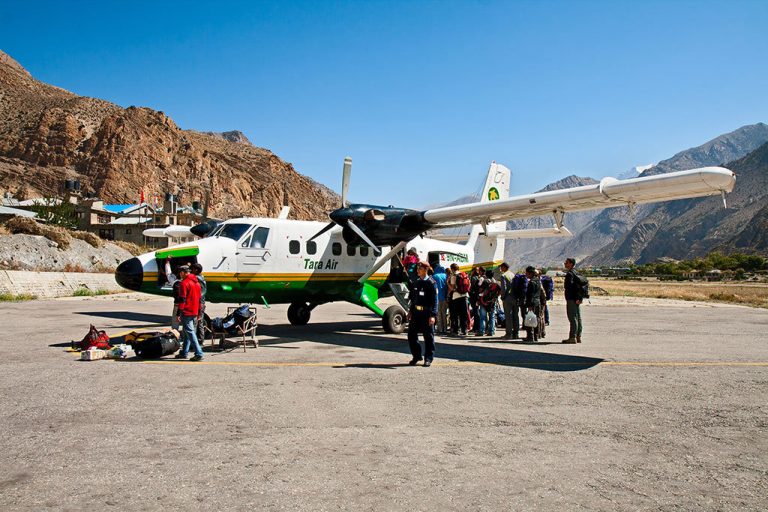
Moreover, the air traffic in regions near river valleys and mountainous terrain could also face visibility issues, potentially causing flight delays or cancellations.
Authorities Urge Vigilance and Preparedness
In light of the forecast, the Meteorological Forecasting Division has appealed to the public and concerned agencies to remain on high alert. Local governments in vulnerable regions are being advised to activate disaster preparedness and response units, including early warning mechanisms for floods and landslides.
Schools and community centers in high-risk areas are encouraged to coordinate with local authorities for possible evacuation or temporary shelter plans, especially if heavy rainfall continues unabated. The Department of Hydrology and Meteorology, along with disaster risk management authorities, is monitoring river levels and rainfall data in real-time to issue timely warnings.
Travel and Outdoor Activity Restrictions Recommended
Authorities have recommended limiting non-essential travel, particularly along highways prone to landslides such as the Narayangadh-Muglin road section, the Beni-Jomsom highway, and other rural hilly roads. Motorists and travelers are urged to stay informed through local media and weather bulletins.
Tour operators and hotel owners have been advised to keep track of guests traveling to or from high-altitude areas and offer timely guidance or assistance should the weather situation worsen.
Outlook for Coming Days
While today’s forecast suggests that rain will continue intermittently across the country, the Division said the situation could either intensify or ease depending on the behavior of the monsoon trough. Continuous monitoring will help provide updated forecasts and guidance.
Meteorologists suggest that while monsoon rains are a normal seasonal feature, the increasing variability and intensity, possibly due to climate change, require stronger infrastructure resilience and preparedness across all sectors.
The MFD has made real-time weather updates available through its mobile app and website and recommends that the public check forecasts regularly and remain in touch with local disaster management offices.