The historic and religiously significant region of Mustang, known for its unique terrain, natural beauty, and cultural and biological diversity, has long been a draw for tourists from around the world. With the arrival of autumn, the weather becomes ideal for visiting this remote and picturesque area.
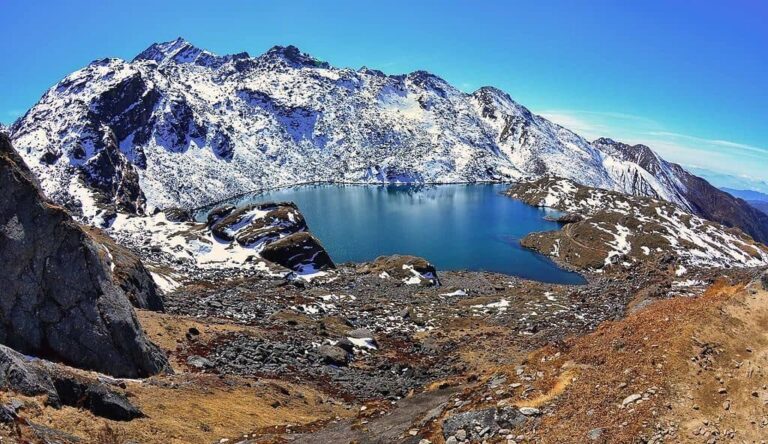
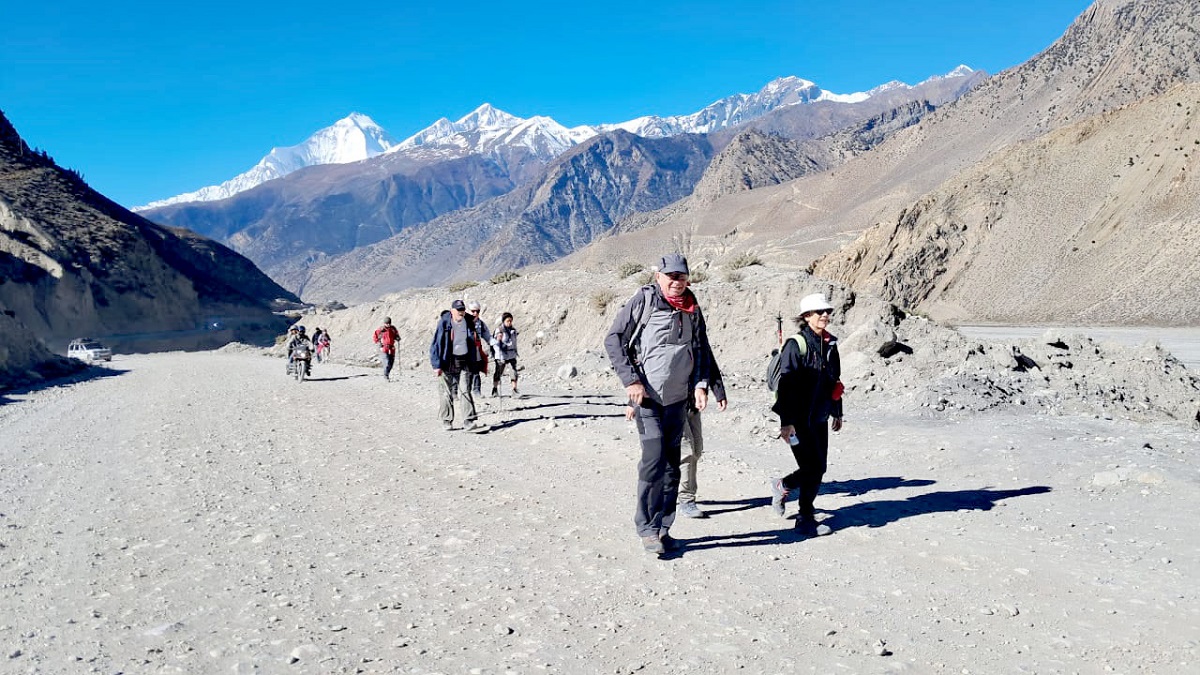
The region is famous for its barren brown and red mountains, resembling artwork created by a painter, along with caves that provide glimpses into ancient human civilizations. Everywhere you look, the backdrop of snow-capped mountains and the blue sky complements the traditional mud-roofed houses and greenery surrounding the villages. The Kali Gandaki River and its tributaries cut through the hills, while the blue lakes add to the allure of the landscape.
Visitors often encounter herds of blue sheep and wild yaks grazing on the hillsides, as well as herds of sheep, goats, horses, and yaks in pasture lands. The apple orchards, heavy with fruit and exuding a sweet aroma, are also a favorite. Each village is home to historical palaces, monasteries of religious significance, and Tibetan-influenced lifestyles. The region also features key pilgrimage sites, such as Muktinath, Kagbeni, and Damodar Kunda, which are significant to both Hindu and Buddhist followers.
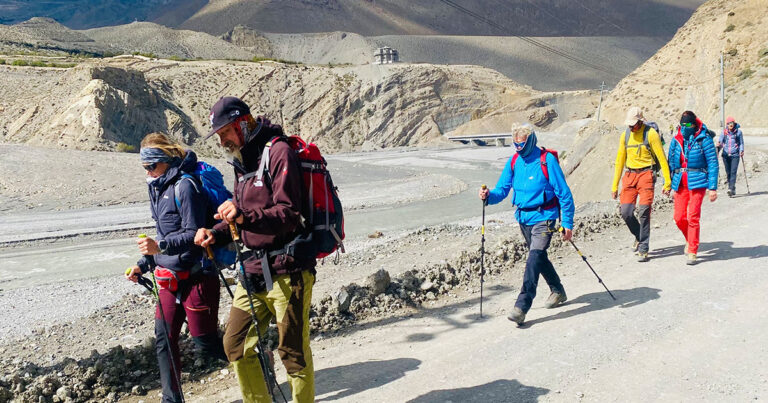
As the monsoon ends, the number of tourists in Mustang has started to rise, according to Lomanthang-based tourism entrepreneur Chewang Rinjin Gurung. “The season from late monsoon to early winter is considered the best time to visit Mustang due to its favorable climate and weather conditions. We typically see an increase in tourist numbers in October and November,” he stated.
Sanjay Adhikari, a tour guide from Pokhara, recently took five German tourists to the Lho Ghekar Monastery in Damodar Kunda Rural Municipality. He shared that the tourists were delighted to encounter herds of blue sheep during their trek.
Pramod Raj Regmi, Chief of the Annapurna Conservation Area Project (ACAP) in Jomsom, shared that Mustang saw 121,352 tourists in the last fiscal year, with 98,253 visitors from SAARC nations and 23,099 from other countries.
ACAP reports that 71,707 tourists visited Mustang in fiscal year 2079/80, up from 38,896 in fiscal year 2078/79. In the current fiscal year, 7,599 tourists have already visited Mustang in July and August, compared to 5,175 during the same period last year.
Regmi also noted a growing number of tourists taking the adventurous route across the Thorong La Pass, at an altitude of 5,416 meters, which connects Manang to Mustang. In fiscal year 2079/80, 13,507 tourists crossed this challenging pass, up from 5,648 the previous year.
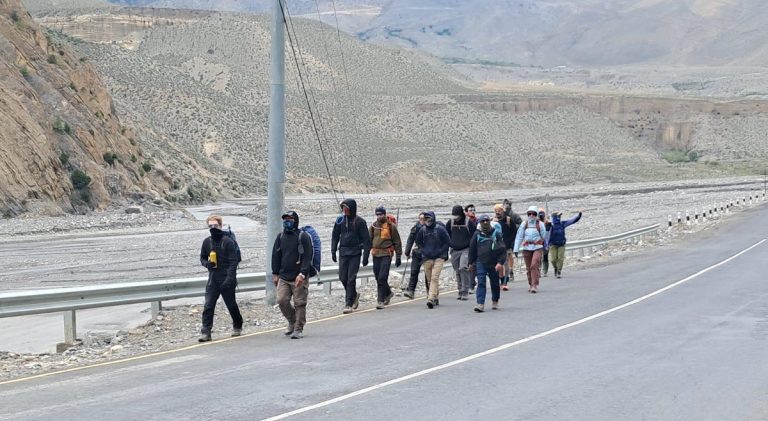
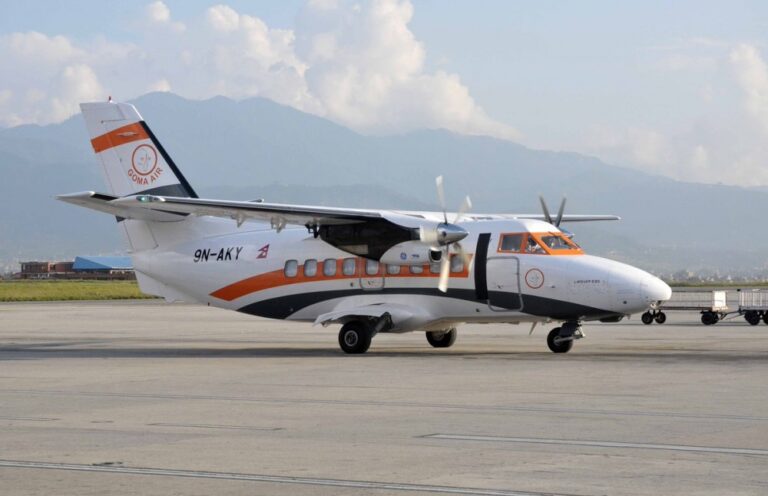
Tourists reach Mustang by road along the Beni-Jomsom route and by air via the Pokhara-Jomsom flight. Some also take alternate trekking routes, such as Thorong La, Dhaulagiri Circuit, and Dolpa trails.
To visit Upper Mustang, which remains a semi-restricted area, foreign tourists must pay a fee of $500 for a 10-day permit. Visitors to the ACAP region, which includes districts like Lamjung, Kaski, Manang, Mustang, and Myagdi, must pay a fee of NPR 1,000 for SAARC nationals and NPR 3,000 for visitors from other countries.
According to the District Police Office, Mustang saw a total of 427,000 tourists using the Beni-Jomsom road last year, with 318,814 of them being domestic tourists.
Prem Prasad Poudel, Chief of the Tourism and Industry Office in Mustang, highlighted efforts to identify and promote new tourist destinations with the collaboration of local, provincial, and federal governments, as well as ACAP. He added that private sector investments in hotels and lodges have significantly boosted the region’s tourism infrastructure.
Poudel mentioned that Mustang is home to 16 high-end hotels, with around 400 hotels and restaurants operating in the region. Efforts are also being made to identify new trekking routes as alternatives to the roads that have displaced some old trails.
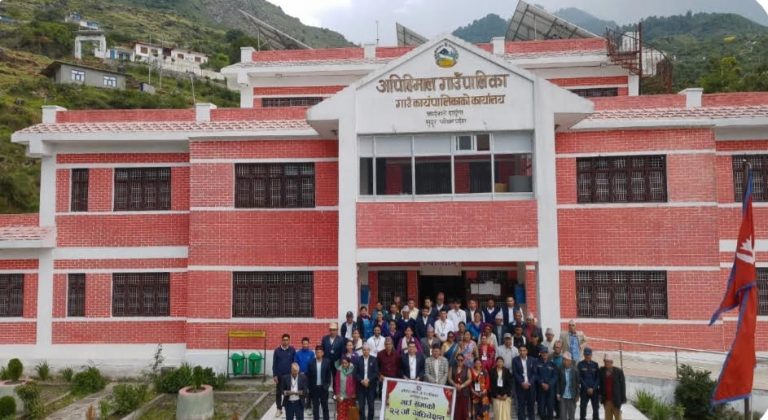
However, challenges remain in Mustang’s tourism development. Tashi Nurbu Gurung, Chairman of the Lomanthang Rural Municipality, noted that Upper Mustang’s status as a semi-restricted area and the high permit fees have hindered the growth of tourism. “Despite the capacity to accommodate 1,500 tourists daily, Upper Mustang sees only around 3,000 visitors annually. Many potential tourists are deterred by the expensive fees and complicated processes,” he said.
The growing number of tourists and the expansion of tourism infrastructure demonstrate Mustang’s appeal, but overcoming the challenges of high costs and restrictions remains key to unlocking its full tourism potential.