Nepal, a nation renowned for its cultural mosaic and centuries-old traditions, marked two of its most cherished festivals, Udhauli Parva and Yomari Punhi, with vibrant celebrations across the country. These festivals, deeply rooted in Nepal’s agrarian lifestyle, embody themes of gratitude, spirituality, and community bonding, reflecting the nation’s enduring connection with nature and heritage.
Udhauli Parva: Honoring Migration, Nature, and Community
Udhauli Parva, celebrated predominantly by the Kirant community, symbolizes the seasonal migration of people and livestock from higher hills to lower, warmer regions during winter. For the Rai, Limbu, and Sunuwar communities, this movement, known as “downward migration”, is not merely a physical shift but a spiritual journey reflecting their harmonious relationship with nature.

Ancient Tradition with Deep Cultural Roots
The origins of Udhauli trace back to Nepal’s ancient past, when indigenous Kirants practiced transhumance as a way of life. This festival reaffirms their belief in the interconnectedness of human life, seasons, and natural resources. Udhauli is a moment to express gratitude for the year’s harvest and to pray for peace, prosperity, and harmony.
Sakela Dance Brings Communities Together
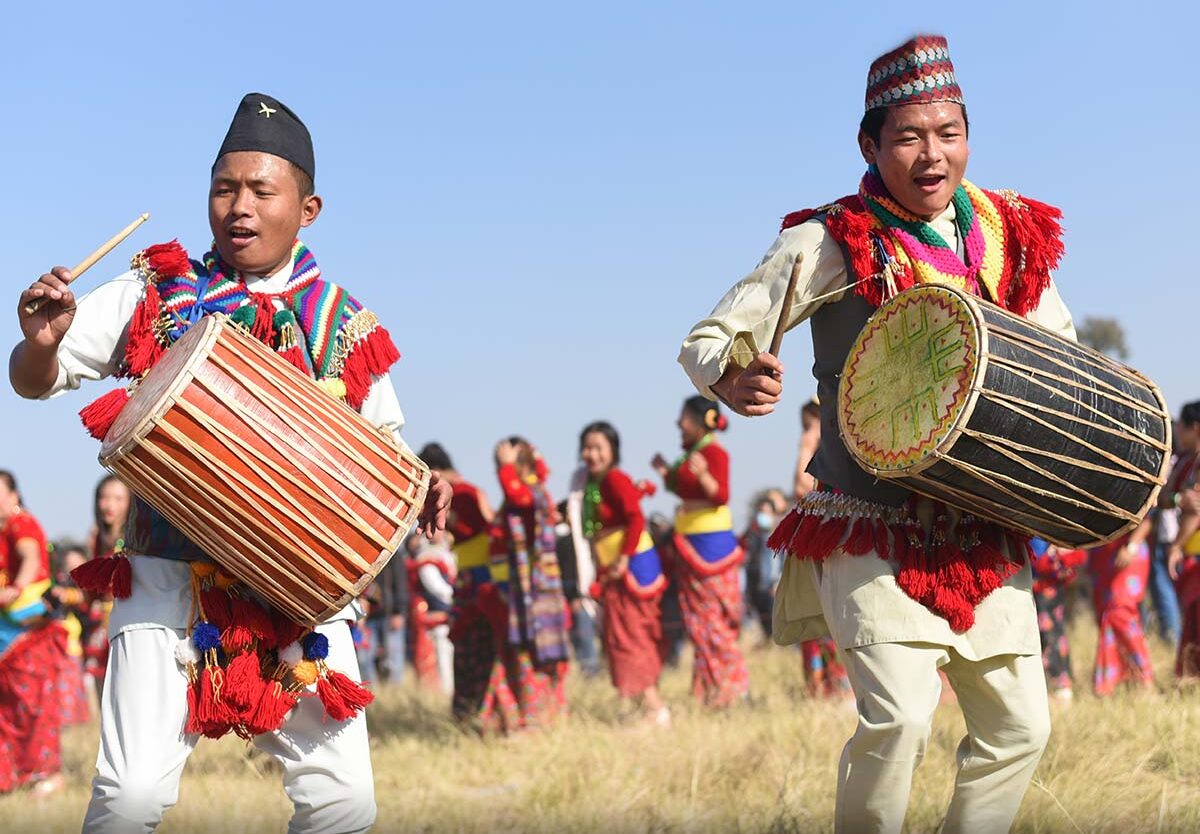
A major highlight of the festival is the Sakela or Chandi Naach, performed in large circles to the rhythmic beats of traditional instruments. Dancers, dressed in colorful cultural attire, mimic agricultural activities, plowing, planting, and harvesting, through symbolic movements. This dance serves as a joyful expression of unity and thanksgiving.
The rituals are led by the Nakchhong (priest), who offers prayers and sacrifices to Paruhang and Sumnima, the revered ancestral deities of the Kirant people. Families gather to prepare seasonal delicacies, strengthening social ties and passing traditions to younger generations.
Yomari Punhi: A Sweet Celebration of Harvest and Prosperity
Falling on the full moon day of Thinla in the Nepal Sambat calendar, Yomari Punhi is one of the most expressive and beloved festivals of the Newar community. It marks the end of the rice harvest season and honors Annapurna, the goddess of nourishment and grains.
A 400-Year-Old Tradition with a Delicious Legacy
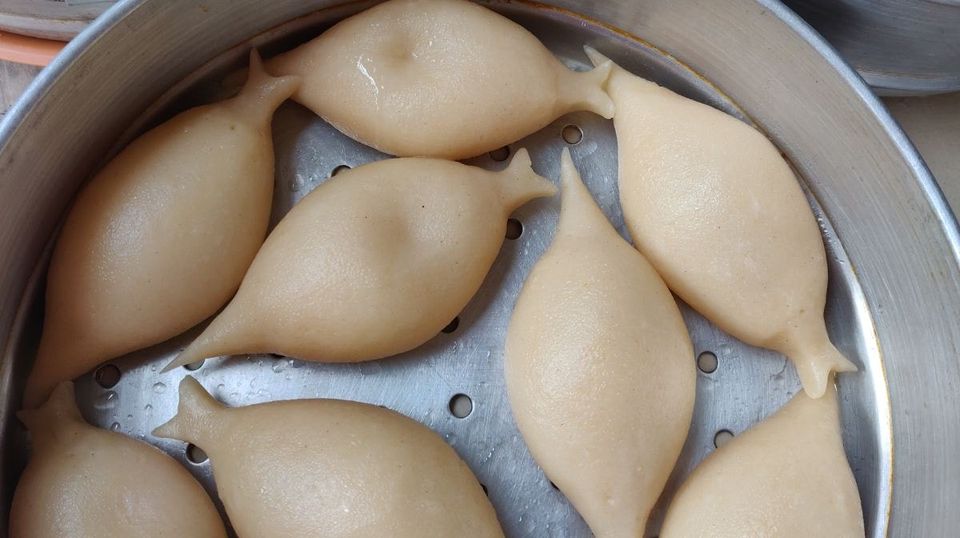
Historical legends reveal that the festival began nearly 400 years ago in the Kathmandu Valley. A farmer couple from Panchal (present-day Panauti) created a new delicacy, a steamed rice-dough dumpling filled with molasses and sesame, known as Yomari, meaning “tasty bread.”
They offered it to the gods to celebrate a good harvest, and the tradition has lived on ever since.
Rituals Filled with Sweetness and Faith
Newar households prepare beautifully shaped Yomaris, often designed like fish to symbolize abundance. These are offered to household gods as families pray for wealth, good health, and prosperity.
Children roam their neighborhoods singing traditional songs, receiving Yomaris from households along the way. The festival also features Jal Jyatra processions in certain areas, where deities are taken around the community to bless the land and its people.
Unity in Diversity: Festivals that Bind the Nation
While Udhauli Parva and Yomari Punhi originate from different cultural groups, they share powerful themes, gratitude to nature, celebration of the harvest, and communal harmony. These festivals highlight the agrarian roots of Nepalese society and serve as reminders of the nation’s peaceful coexistence among diverse ethnic communities.
Relevance in Modern Times
At a time when urbanization and modern lifestyles are rapidly reshaping society, festivals like Udhauli Parva and Yomari Punhi help Nepal reconnect with its roots. They also play a significant role in cultural tourism, drawing both domestic and international visitors eager to experience Nepal’s vibrant traditions.

Communities, cultural organizations, and local governments have been actively promoting and preserving these age-old practices to ensure that future generations continue to embrace their identity and heritage.
A Celebration Beyond Rituals
More than festivals, Udhauli Parva and Yomari Punhi stand as powerful expressions of gratitude, identity, and unity. They remind Nepalis of their enduring relationship with the land, their ancestors, and one another. As Nepal continues its journey toward modern development, these traditions remain a guiding light, linking the nation’s rich past with its promising future.