Nepal, a country adorned with vibrant cultures and ancient rituals, celebrates numerous festivals that reflect the artistry, spirituality, and agrarian roots of its people. Among these treasured traditions, Yomari, a steamed Newar delicacy enjoyed primarily in winter, holds a special place in the heart of Nepali heritage. More than just a dish, Yomari is a cultural emblem, a seasonal blessing, and the centerpiece of Yomari Punhi, one of the most cherished festivals of the Newar community. Its history, artistry, and symbolic depth connect Nepal’s festive spirit with its rich culinary traditions, making Yomari both a divine offering and a treasured winter comfort.
A Culinary Treasure Rooted in Newar Heritage
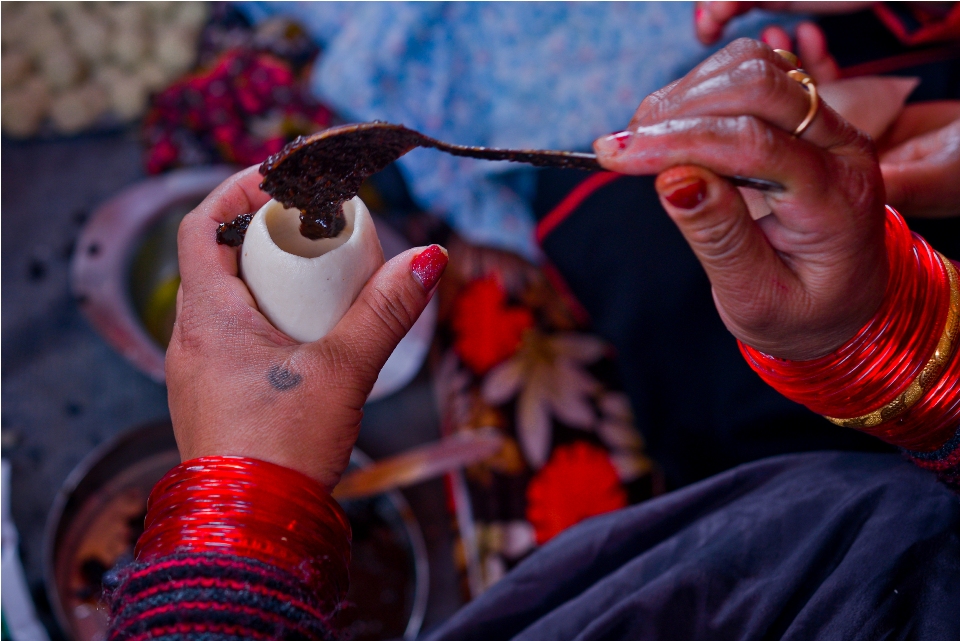
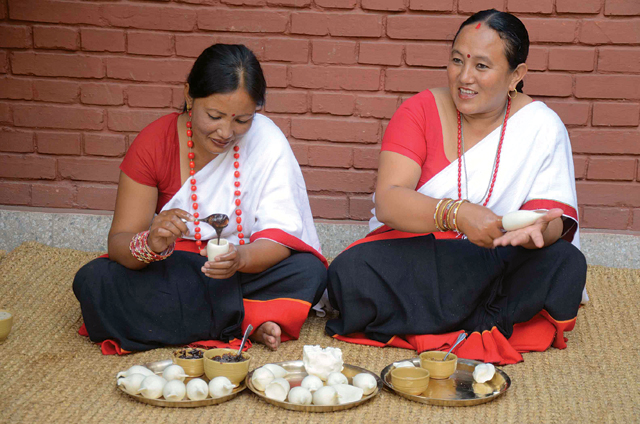
Yomari, also spelled Yamari, is a steamed dumpling made from finely ground rice flour filled with high-calorie sweet fillings such as chaku (hardened molasses) or khuwa (thickened milk). These ingredients, rich in energy, are traditionally believed to help the body stay warm during Nepal’s chilly winters. For centuries, the Newar community has prepared this delicacy not only as food but also as a symbol of prosperity, health, and familial unity.

The triangular shape of Yomari is steeped in symbolism. Many believe that it represents one half of the Shadkona, the sacred six-sided star associated with goddess Saraswati, the deity of wisdom, knowledge, and learning. This connection ties Yomari to spiritual growth, making it more than a festive offering, it becomes an emblem of divine blessing.
Interestingly, the structure of Yomari shares similarities with Bagiya, a traditional dish among the Maithil and Tharu communities of southern Nepal. This resemblance reveals how Nepal’s culinary practices, though diverse, remain interconnected, reflecting the country’s cultural unity in diversity.
Historical Roots and Linguistic Evolution
The story of Yomari stretches deep into Nepal’s history. Classic Newar documents from the Malla dynasty provide fascinating insights into the dish’s evolution. A stone inscription from 1440 found in Pashupatinath refers to the delicacy as irhamadhe. By the late 17th century, the name had evolved to elamādhe, indicating how language and culture continuously shape one another. Over time, this term further transformed into the modern name Yomari, which the Newar community proudly uses today.
These linguistic shifts tell a deeper story: Yomari is not just a festive dish but a cultural artifact that has evolved with Newar civilization, preserving memories of tradition, devotion, and artistry across centuries.
Yomari Punhi: A Festival of Harvest, Devotion, and Togetherness
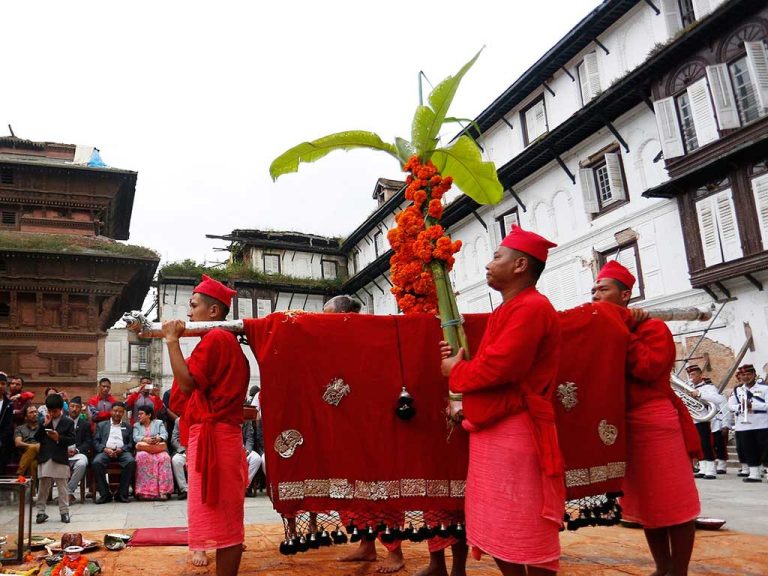
The celebration of Yomari Punhi, the festival dedicated to Yomari, begins on the second day of the full moon in the Nepal Sambat calendar. This timing aligns with the completion of the rice harvest, symbolizing abundance and gratitude. During the festival, Newar families prepare fresh Yomaris and participate in religious rituals honoring household deities and gods associated with wealth, wisdom, and prosperity.
Rituals Filled With Symbolism
On the first days of the festival, Yomaris are prepared but not eaten. Instead, they are stored as offerings during prayers, signifying devotion and restraint. Families believe that the gods first bless the Yomaris, turning them into sacred gifts that will bring good health and fortune. On the fourth and final day, the sweet dumplings are eaten with joy and shared among family members, marking the successful completion of the harvest season and honoring the divine blessings believed to be bestowed upon the home.
Children often take part in celebratory traditions, visiting neighborhood homes and singing songs, receiving Yomaris as tokens of blessing and warmth. These customs strengthen bonds within the community and ensure the passing down of cultural knowledge from one generation to the next.
A Winter Festival That Reflects Nepal’s Cultural Soul
While Yomari Punhi is uniquely Newar in origin, its themes, gratitude, harvest, family unity, and devotion, mirror the spirit of many Nepali winter festivals. Just as Udhauli celebrates the downward migration of communities and gratitude to nature, Yomari Punhi expresses thankfulness for the year’s harvest and the warmth of togetherness in cold months.

These festivals highlight Nepal’s agrarian heritage and its people’s deep relationship with the land they cultivate. They also create space for culinary creativity, community celebrations, and spiritual reflection, elements that define Nepal’s rich cultural landscape.
More Than Food, a Celebration of Identity
Today, Yomari continues to be celebrated not only during the festival but throughout winter, cherished as comfort food that brings families closer. Its symbolism, history, and flavor make it a timeless delicacy. In every bite of Yomari lies Nepal’s cultural memory, sweet, warm, and deeply rooted in tradition. As Nepal embraces modernity, Yomari stands as a beautiful reminder of the past, a celebration of identity, and a testament to the enduring spirit of Nepalese festivals.