Millet dishes have long been a staple in Nepali households, but their presentation in live kitchen settings at prominent hotels has been rare. In Nepal’s culinary scene, it has long been customary for hotels like Nepali Tare to serve classic breakfast items such as bara, omelet, and jeeri through live kitchen presentations. However, dishes made from traditional grains like millet (kodo) and buckwheat (phapar) have rarely been highlighted with such prominence. Recently, the Holiday Inn Resort in Budhanilkantha, a five-star hotel, has begun showcasing millet-based dishes during breakfast through their live kitchen service, drawing attention to Nepal’s indigenous cuisine.
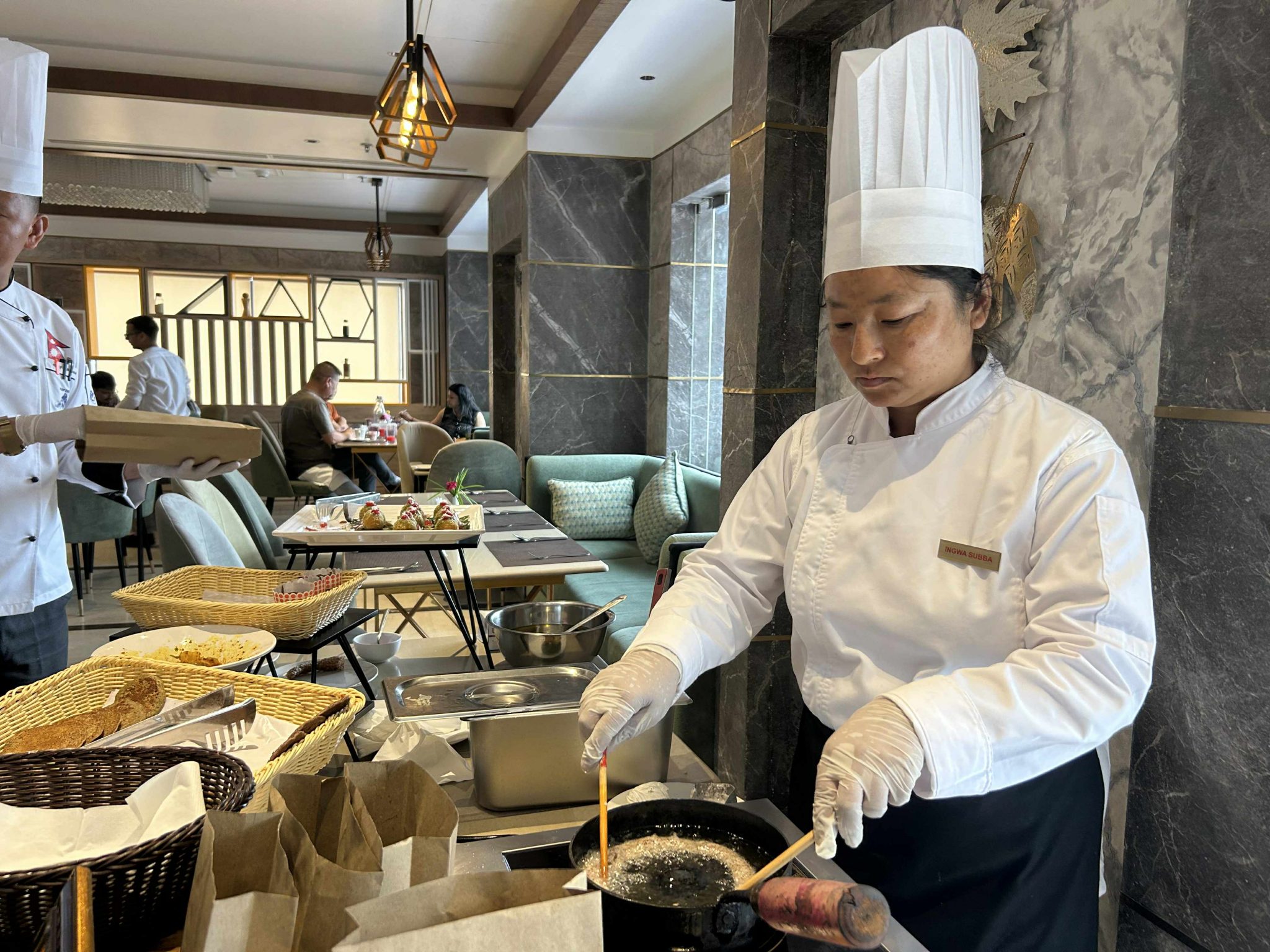
On a recent Saturday, the resort featured dozens of dishes, with the millet sel roti standing out as a special favorite. Prepared fresh in front of customers, the flavorful sel roti not only delighted Nepali patrons but also fascinated foreign guests. The dining hall was filled with the aroma of sel roti, which prompted international visitors to inquire eagerly about the dish. Many of them ended up requesting second servings, enchanted by the novelty and taste of this traditional food.
Nepali Patrons Eager to Take Traditional Flavors Home
Several Nepali guests expressed interest in taking the millet sel roti home, indicating a growing appreciation for native flavors. At the live kitchen stall dedicated exclusively to Nepali cuisine, alongside millet sel roti, guests could enjoy other millet specialties such as millet muffins, millet pancakes, Sherpa community delicacies like rikikur, and paan laddus.
These dishes were presented as part of a Nepali food promotion campaign organized by Bhojanalipi Swad, led by Chef Ghanshyam Kandel and his team, including Chef Ingwa Subba, Man Bahadur Tamang, and Sangam Moktan. The initiative aims to elevate Nepalese cuisine to an international standard by conducting research and creating authentic, delicious meals that highlight traditional ingredients.
The Case for Nepali Cuisine in Five-Star Hotels
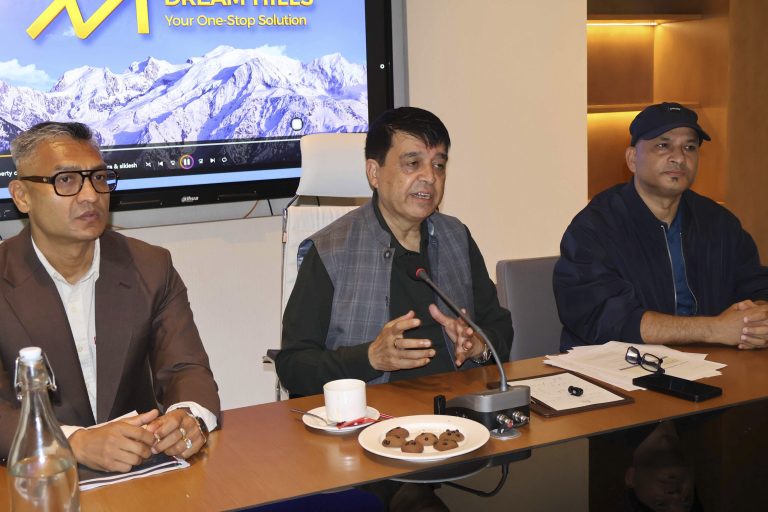
Experts in the hospitality sector emphasize that having dedicated Nepali kitchens and menus in high-end hotels where foreign tourists frequently stay would significantly boost the promotion of Nepalese culinary heritage. Binayak Shah, President of the Hotel Association Nepal (HAN), insists that preserving and promoting traditional Nepali foods is a collective responsibility.
“We need to connect the preservation of Nepali traditional food with commercial viability,” Shah remarked. “There is high demand for Nepali cuisine, and it is essential for five-star hotels to include Nepali menus.”
In celebration of HAN’s 60th anniversary, the association is preparing to publish a book documenting 60 varieties of traditional Nepali dishes. Campaign coordinator Devi Prasad Sapkota said the initiative would focus on areas with high footfall of Nepali tourists as well as star hotels frequented by international visitors. “The goal is to educate Nepalis about their own cuisine while simultaneously targeting foreign guests with these programs,” Sapkota explained.
Chefs Advocate for Dedicated Nepali Kitchens
Chef Ghanshyam Kandel highlighted the need for five-star hotels to have dedicated Nepali kitchens to promote native food properly. “We must create an environment where foreigners can enjoy authentic Nepali dishes during their stay,” he said.
Tourism entrepreneur Ram Prasad Sapkota also stressed the importance of including Nepali dishes in hotel menus, noting their nutritious and wholesome qualities. “It may take some time to popularize these foods, but with artistic presentation of millet, buckwheat, and leafy vegetable dishes, foreign tourists will gradually embrace them in restaurants and hotels,” he said.
Ongoing Campaigns and Widespread Promotion Efforts
The campaign, through Bhojanalipi Swad, has previously conducted five editions of Nepali food promotional programs at various restaurants. According to coordinator Sapkota, these events showcased dishes made from agricultural products sourced from more than 40 districts across Nepal, emphasizing local and seasonal ingredients.
The renewed focus on traditional grains like millet and buckwheat reflects a growing global trend toward healthy, sustainable eating. By combining authentic flavors with modern presentation, Nepali chefs hope to bring these age-old foods to the international culinary stage, while preserving cultural heritage at home.