Nepal, a land of towering mountains, lush forests, and incredible wildlife, has long been celebrated for its natural richness and dedication to conservation. Beyond safeguarding its forests and endangered species, Nepal has developed a remarkable practice called wildlife diplomacy, where animals are gifted to friendly nations as symbols of goodwill, trust, and friendship. These animals are more than gifts; they carry a piece of Nepal’s heritage wherever they go, acting as living ambassadors that introduce people around the world to the country’s beauty and culture.
Elephant Diplomacy: Strengthening Ties Through Gentle Giants
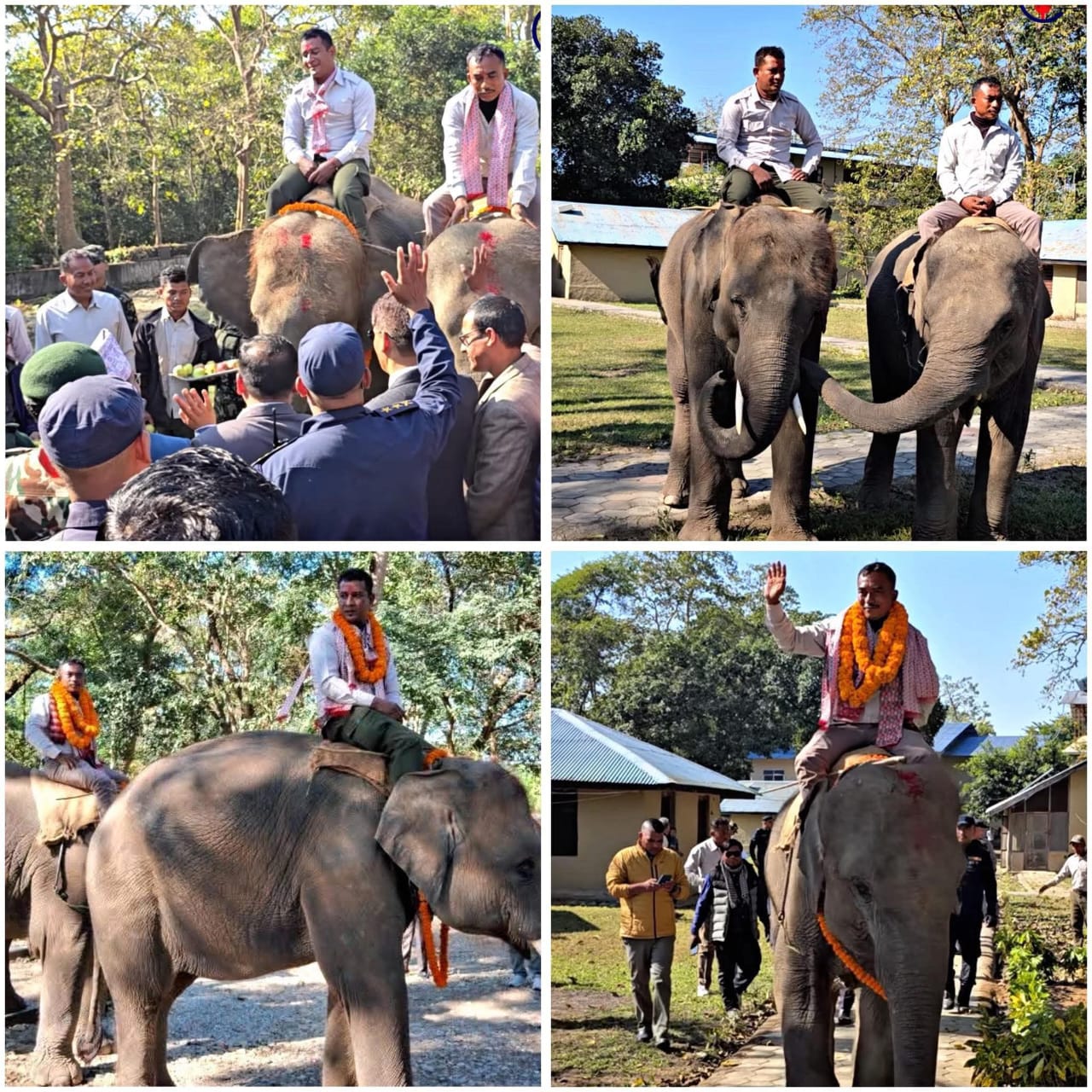
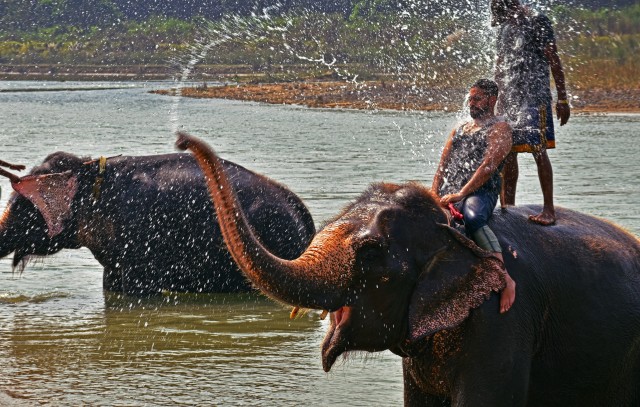
In 2025, Nepal attracted global attention by gifting two elephant calves, Rudrakali and Khagendra Prasad, to Qatar. Born and raised in the Khorsor Elephant Breeding and Training Center in Chitwan National Park, these gentle giants became ambassadors of it’s forests and rivers. Sent to Al Khor Zoo Park in Doha, the elephants bridged two cultures, sharing Nepal’s natural heritage with everyone who saw them. Their presence reminds us that animals, like humans, form bonds and carry memories of home wherever they are.
Rhinoceroses as Symbols of Long-Standing International Trust
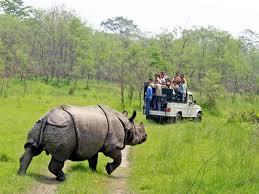
Nepal is also home to the endangered greater one-horned rhinoceros, which roams the grasslands of Chitwan and Bardia National Parks. Since 1985, Nepal has gifted a total of 26 rhinoceroses to countries around the world as part of diplomatic initiatives. These include: India – 4 rhinos (1985), United States – 6 rhinos (1985–2000), China – 4 rhinos (1988–1995; named Bhadra, Rupasi, Solti, and Mitini), Germany – 2 rhinos (1989, 1992), United Kingdom – 2 rhinos (1990, 1993), Japan – 2 rhinos (1995, 1998), Singapore – 2 rhinos (2000, 2002), Bangladesh – 2 rhinos (2005, 2007), and Australia – 2 rhinos (2010, 2012). Each rhinoceros represents not only Nepal’s wildlife but also trust and friendship between nations, opening doors for conservation partnerships, research, and cultural exchanges.
In addition to elephants and rhinoceroses, Nepal has gifted other wildlife to strengthen international relationships. Gharial crocodiles were sent to Germany (2 in 1986), France (6 in 1990), and Bhutan (2 in 1995). A wolf was gifted to Japan (1 in 1992), and two leopards were sent to Saudi Arabia (1998). Every transfer has been carefully planned under international conservation agreements, ensuring the animals’ well-being while emphasizing responsible wildlife diplomacy.
Beyond Elephants and Rhinos: Wildlife Gifts
The positive impacts of it’s wildlife diplomacy are clear. These animals bring Nepal to the eyes and hearts of people worldwide, sparking curiosity, admiration, and a sense of connection. They strengthen international relationships, promote eco-tourism and cultural exchange, and inspire conservation efforts globally. Each elephant or rhinoceros carries a message: Nepal cares deeply for its wildlife and values friendship and cooperation.
However, challenges remain. Once animals leave, the country loses direct contact and the ability to ensure their well-being. Some species, like otters or lesser-known animals, may not strongly represent Nepal abroad, and over time, these animals can become just another attraction in a zoo, their connection to Nepal fading. Being far from their natural habitats can be stressful, and emotionally, both the animals and Nepal feel a sense of loss. These creatures are sentient beings with feelings, memories, and a connection to the land they came from.
While gifting animals is a noble initiative, animal rights and welfare must always be a priority. Animals deserve proper care, appropriate habitats, and respect for their natural behavior. The country can protect these rights by establishing strict welfare guidelines, monitoring and reporting systems, caretaker training abroad, legal agreements for protection, and public education about their origins and ecological importance.
Rethinking Diplomacy: Sustainable Alternatives to Animal Gifting
In addition, Nepal can explore alternative ways to promote its heritage. Eco-tourism, cultural exchange programs, international exhibitions, wildlife documentaries, research partnerships, and digital storytelling allow the world to experience Nepal without removing animals from their natural environments. These methods ensure the promotion of Nepal is sustainable, ethical, and long-lasting.
It’s wildlife diplomacy has played an extraordinary role in building friendships, fostering goodwill, and sharing the country’s natural heritage with the world. Elephants, rhinoceroses, gharials, wolves, and leopards have carried it’s story across continents, representing trust, cooperation, and love for nature. Yet, as we celebrate these gestures, we must also honor the rights and welfare of the animals, ensuring they live happy, healthy lives. By combining tradition with responsibility, respecting animal rights, and exploring new ways to share its heritage, Nepal can continue building meaningful international relationships while preserving the wildlife and soul of the nation.
Written By: Som Nath Sapkota (Entrepreneur, Tourism Promoter, and Deputy General Secretary – NRNA ICC)