Nepal’s tourism industry is grappling with a significant challenge as the crucial tourist season approaches, with hotel bookings remaining alarmingly low. The period from mid-September to November is typically one of the busiest times for tourism in the country, attracting visitors from around the world for trekking, mountain climbing, and cultural experiences due to favorable weather conditions. However, tourism entrepreneurs are raising concerns about delayed bookings, suggesting a potentially grim outlook for the coming months.
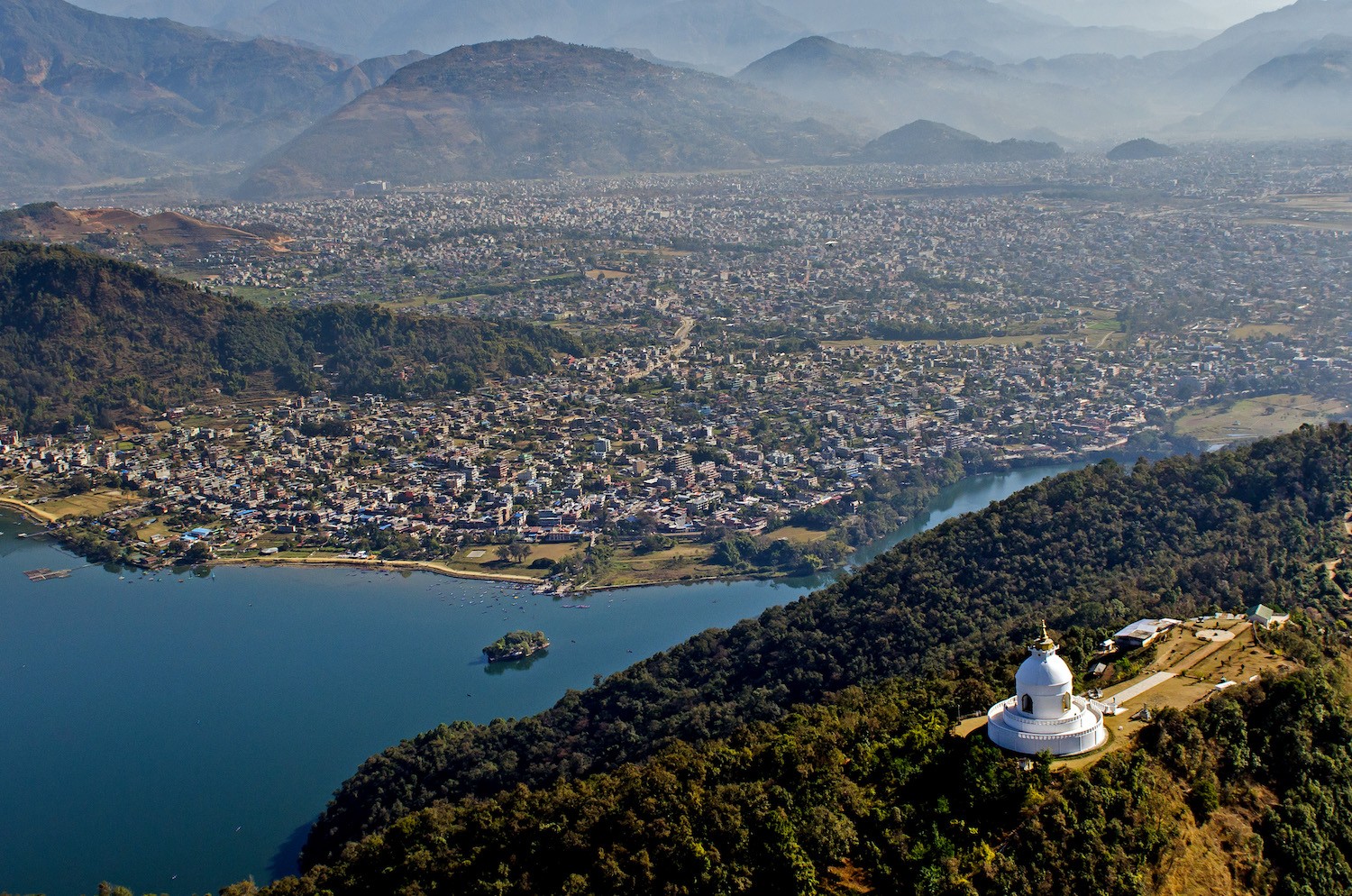
“Despite the start of the peak season, bookings are not picking up as they usually do,” said a tourism entrepreneur, reflecting the concerns of the broader tourism community. In Pokhara, one of Nepal’s most popular tourist destinations, hotels and travel agencies are facing low visitor numbers, leaving the sector anxious about the months ahead.
Bharat Raj Parajuli, a central member of the Hotel Association Nepal, expressed his concerns: “At this point, we should be witnessing a surge in bookings, but that is not happening. It’s been an unusually slow season.” According to Parajuli, bookings during this period are significantly below expectations. “Bookings usually reach 40% by September and over 60% by October and November, with overall occupancy nearing 90% during the peak season, largely thanks to Free Individual Trekkers (FIT). But this year, bookings for October and November are hovering around just 25%.”
The impact is particularly hard on small and medium-sized hotels, which rely heavily on early reservations to maintain their operations. Parajuli further explained, “If we were seeing bookings around 60%, there would be some optimism, but that’s far from reality. Unless there is a sudden influx of domestic tourists, this season could be particularly tough for the industry.” He noted that many hotels and tourism-related businesses are currently struggling to cover basic operational costs.
Several factors are contributing to this year’s downturn in tourism, Parajuli explained. “Tragic accidents, both in the air and on the roads, have severely shaken the confidence of international tourists. Nepal has received negative press abroad, with many questioning the safety of travel here.” Recent air crashes and road accidents have tragically claimed numerous lives, casting a shadow over the country’s tourism industry. “These incidents have sent a negative message internationally about the safety of visiting Nepal,” he added.
Compounding the challenges, the upcoming partial closure of Tribhuvan International Airport (TIA) during the peak tourist season is causing further disruptions. Starting November 8, 2024, until March 31, 2025, the airport will close daily for 10 hours, from 10 PM to 8 AM, for essential infrastructure upgrades. “This closure is already leading to cancellations from foreign guests,” Parajuli warned. “The disruption in air travel is likely to significantly affect both domestic and international arrivals. We need to urgently reconsider the timing of these upgrades to minimize damage to the tourism sector.”
Som Thapa, former chairman of the Pokhara Tourism Council (PTC), shared similar concerns, predicting that the TIA closure, combined with rising travel costs, will further deter visitors. “Air ticket prices have surged following the introduction of value-added tax (VAT) on airfares,” Thapa explained. “Additionally, Nepal Airlines Corporation has failed to operate flights to key tourist markets, allowing foreign airlines to dominate the market and raise prices. This has made Nepal a more expensive destination, discouraging potential tourists.”
Thapa also pointed to global safety concerns surrounding Nepal’s transportation infrastructure, particularly air and road travel. “In previous years, we saw foreign university students visiting Nepal for study programs. This year, they are absent, and safety concerns are a big reason for that,” he said. “Unless international perceptions of Nepal improve, this season is unlikely to yield positive results.”
The situation presents a difficult path forward for Nepal’s tourism industry, which is still recovering from the impact of the COVID-19 pandemic. While the sector typically relies on foreign visitors to sustain the high season, the combination of safety concerns, airport disruptions, and increased travel costs has led to a sharp decline in tourist confidence.
For now, tourism operators are hoping for a last-minute surge in domestic tourism or a change in the global narrative around Nepal’s safety to salvage the season. Without such developments, many fear that the upcoming tourist season could mark another significant setback for Nepal’s once-thriving tourism industry.