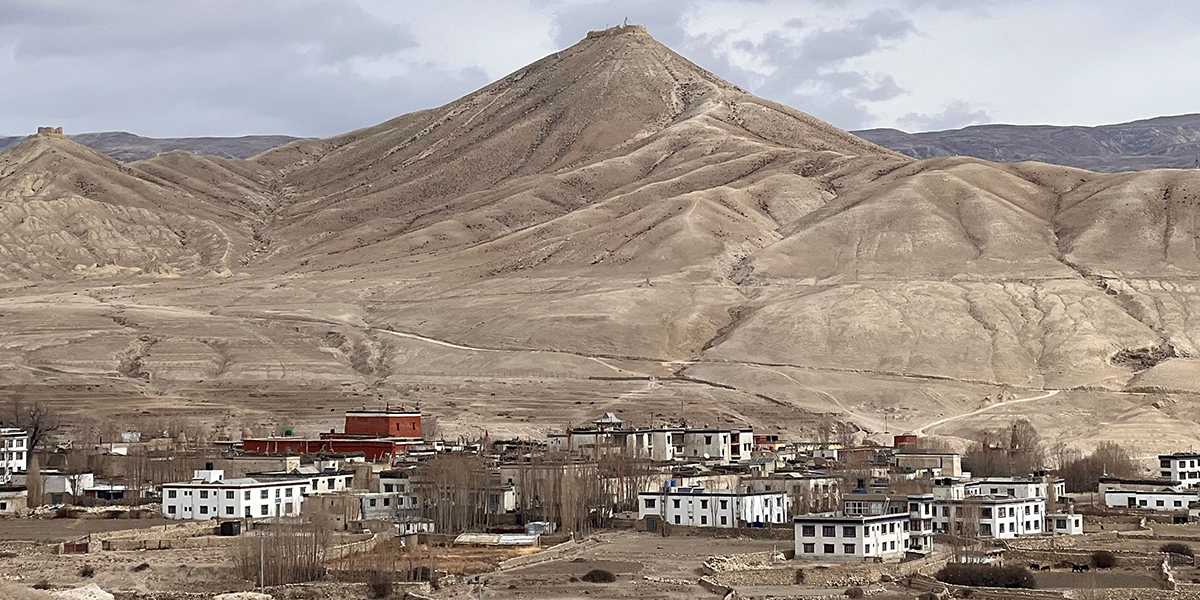
A new museum has been established in Lo Manthang, a walled mud city located in Upper Mustang, bordering northern China. The museum was personally founded by local ward member Chewang Rinzin Gurung to provide tourists with a deeper understanding of the region’s historical, cultural, and social transformations. Lo Manthang, renowned for its ancient architecture and heritage, now offers visitors a unique opportunity to explore its past and present through curated exhibits.
Preserving History in a Two-Story Heritage House
Chewang established the museum in a two-story mud and stone house built by his ancestors over two hundred years ago. The museum aims to present the changes and development Upper Mustang has witnessed over the years, making it accessible and informative for both domestic and international tourists. Many visitors, especially those paying higher fees to visit Upper Mustang annually, often leave without fully understanding Lo Manthang’s history, religion, and traditions. This museum bridges that knowledge gap, allowing tourists to appreciate the city’s unique heritage.
Development in Upper Mustang: Past 30 Years vs. Centuries
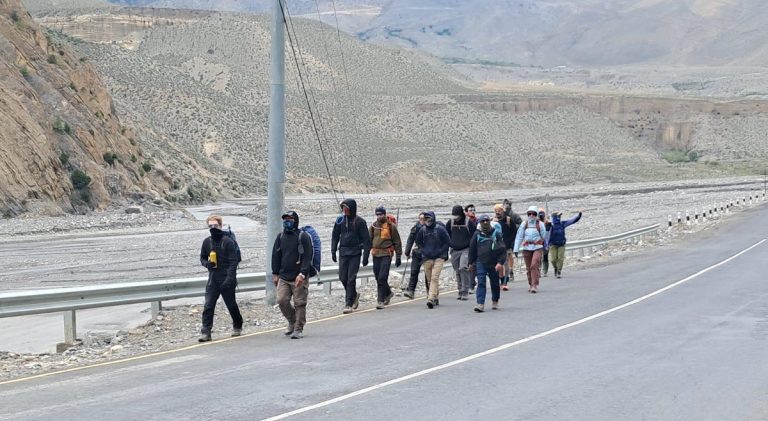
According to Chewang, significant development has taken place in Upper Mustang over the past 30 years, development that did not occur even over the preceding five centuries. Roads, electricity, and internet facilities have been established, transforming the area. The museum’s exhibits include photographs showcasing Lo Manthang’s traditional lifestyle alongside contemporary changes, highlighting the evolution of architecture, infrastructure, and daily life.
Traditional Homes and Cultural Transformation
Lo Manthang’s walled city contains dozens of old, interconnected mud and stone houses, where tourists once stayed overnight. These traditional homes are now gradually being replaced by modern structures and VIP hotels catering to visitors. The museum allows tourists to witness this transformation, combining visual exhibits with music-based observations to provide an immersive understanding of the city’s changing life and environment.
Exhibits on Lifestyle, Climate, and Agriculture
The museum includes galleries depicting seasonal changes during winter and monsoon, traditional and contemporary lifestyles, agriculture, livestock management, festivals, and religious practices. Chewang has meticulously organized photographs capturing these aspects, allowing visitors to gain insights into Upper Mustang’s unique environment and local way of life.
Festivals and Cultural Practices
Lo Manthang’s traditional festivals, such as Teej and Yartung, are also highlighted in the museum. Tourists unable to witness these events firsthand can learn about them through detailed exhibits. Chewang believes that the museum will serve as a valuable resource for visitors and researchers alike, providing a comprehensive understanding of Upper Mustang’s cultural heritage.
Historical Artifacts and Traditional Tools
The museum also displays centuries-old domestic tools, pottery, and religious materials, offering a glimpse into the region’s past. Chewang, who spent many years in Europe, returned to his ancestral land with the goal of contributing to his community and promoting tourism. As a ward member of Lo Manthang–5, he actively participates in local development initiatives while pioneering unique businesses that generate income and awareness.
Showcasing Upper Mustang’s Natural and Cultural Richness
The museum features landscape photography and biodiversity exhibits, showcasing Upper Mustang’s unique ecology and environment. Visitors can explore images of the Mustang royal palace, narrow alleyways, walled city structures, monasteries, stupas, and chortens. This initiative allows tourists to visually experience Lo Manthang’s historical and contemporary transformations.
Visitor Information and Accessibility
The museum, officially opened on Bhadra 1 (mid-August), is managed by Chewang’s family members. Domestic and foreign tourists are charged an entrance fee of NPR 200, while students from schools and campuses can enter free of charge upon presenting identification. The museum is registered with the local municipality, ensuring formal recognition and long-term sustainability.
A Step Toward Promoting Heritage Tourism
This museum is an important step toward promoting heritage tourism in Upper Mustang. By providing visitors with a comprehensive understanding of Lo Manthang’s past and present, it encourages appreciation of the city’s unique cultural, historical, and environmental attributes. The initiative also highlights the role of local leadership in preserving heritage while adapting to modern development and tourism needs.
Chewang Rinzin Gurung’s museum in Lo Manthang serves as a vital educational and cultural center, allowing visitors to witness the transformation of Upper Mustang from a centuries-old mud city to a modern heritage destination, blending tradition with contemporary development.