Salpa–Silichong Peak and the sacred Salpa Pond have recently gained significant attention as emerging attractions for both domestic and international tourists. Located along the popular Mundhum Trail, the area has become a must-visit destination for trekkers and pilgrims seeking natural beauty, spiritual experience, and cultural connection.
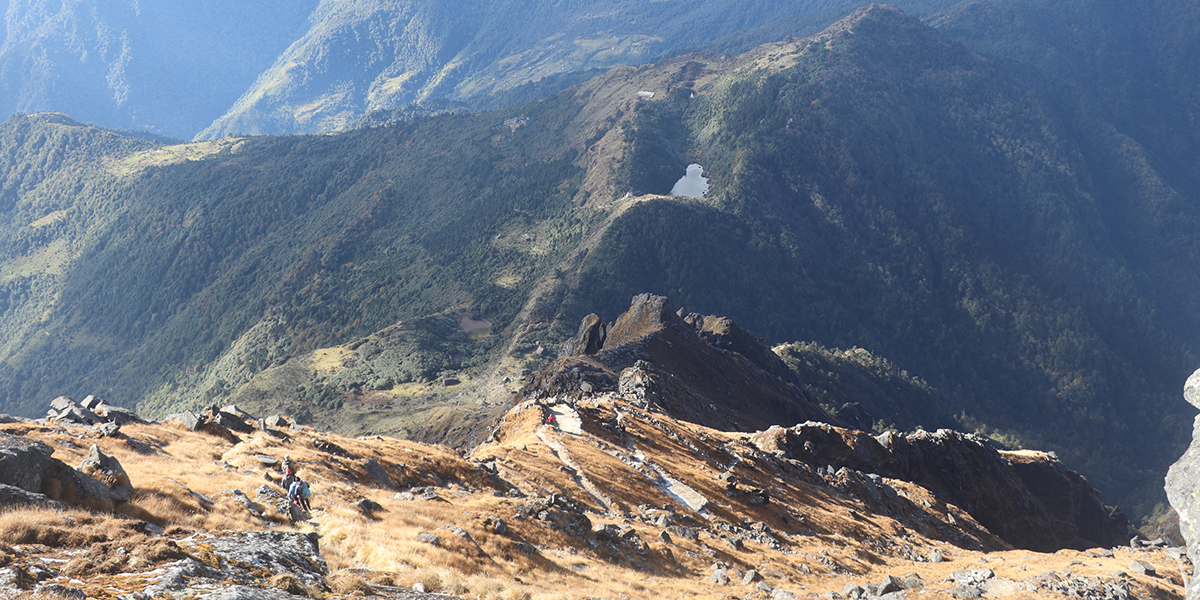
Perched at an altitude of 4,155 meters above sea level, the Silichong Peak offers breathtaking panoramic views of Mt. Everest and several surrounding Himalayan ranges. The snowcapped peaks, rolling green hills, and pristine landscapes attract a growing number of visitors each year. Many tourists describe the experience of reaching the summit and witnessing the scenic surroundings as spiritually uplifting and visually mesmerizing.
Spiritual Significance of Salpa Pond
Nestled at the foothill of the Silichong Peak lies Salpa Pond (Salpa Pokhari), a sacred site revered for its religious importance. Devotees visit the pond with the belief that prayers and wishes made here are fulfilled. The pond is especially crowded during four major full moon festivals held in Baishakh, Bhadra, Kartik, and Falgun, which draw large gatherings of worshippers from nearby districts including Bhojpur, Khotang, Sankhuwasabha, Dhankuta, and Solukhumbu.

During these festivals, devotees perform rituals, offer prayers, and immerse themselves in the tranquil natural setting believed to be blessed with divine energy. Locals say that Salpa Pond holds deep spiritual resonance and has long been regarded as a source of faith, hope, and healing.
A Center of Faith and Traditional Beliefs
Salpa–Silichong is also a place of deep cultural and shamanic significance. According to local tradition, Dhami–Jhankris (spiritual healers) consider this area as the dwelling place of their spiritual master. Pilgrims believe that those unable to have children are blessed with offspring after visiting the pond, and those suffering from speech disabilities regain their ability to speak.
The pond, shaped like a bowl, is also famous for its mystical color-changing phenomenon, which locals interpret as a divine sign. For the Kirat Rai community, Salpa Pokhari represents their ancestral deity, and they offer prayers here as part of their cultural and spiritual heritage.
Untapped Potential as a Major Tourist Destination
According to local tourism promoter Chandra Khatri, the Salpa–Silichong region could evolve into a prominent religious and adventure tourism hub comparable to Pathibhara Temple in Taplejung, if properly developed and promoted. He emphasized that organized infrastructure development, safe trekking routes, and wider publicity could attract a substantial flow of tourists to the area.
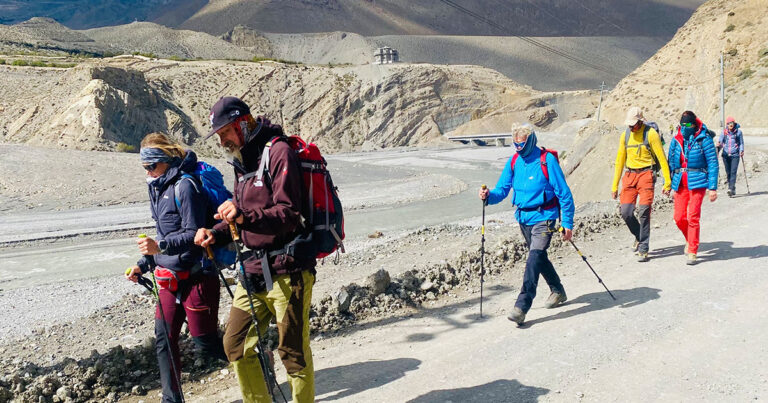
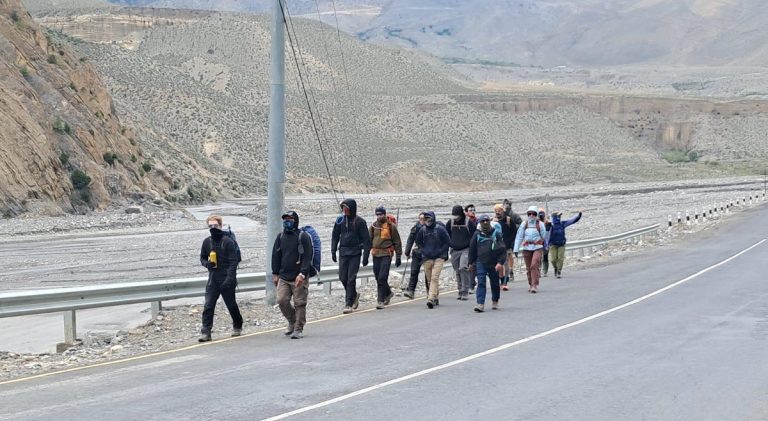
Pilgrims and trekkers often walk four to five days on foot to reach the site, demonstrating their devotion and the area’s enduring allure. The trail leading to Salpa–Silichong is part of the historic route once used by Sir Edmund Hillary and Tenzing Norgay Sherpa during their Everest expedition, further enhancing the region’s historical value.
Blend of Natural Beauty, Faith, and History
The Salpa–Silichong area stands as a unique blend of natural splendor, spiritual depth, and historical significance. The sweeping mountain views, dense rhododendron forests, and pristine alpine environment create a serene atmosphere that appeals to both adventure seekers and pilgrims alike. Visitors are not only drawn by the scenic landscape but also by the deep sense of spirituality that the place embodies.
The site also holds potential for eco-tourism, with opportunities for homestays, cultural exchange programs, and guided treks that could help uplift local communities economically while preserving the environment. The trail’s rich biodiversity and cultural diversity offer visitors a complete Himalayan experience far from crowded commercial destinations.
Call for Preservation and Promotion
Local residents stress the importance of preserving the natural environment and promoting sustainable tourism practices in the region. They believe that with proper planning, Salpa–Silichong can be developed into one of Nepal’s major religious–tourism centers, attracting visitors throughout the year.
However, infrastructure development remains limited. Basic facilities such as resting shelters, communication networks, and transport accessibility still need improvement. Locals and tourism entrepreneurs have urged the government and concerned authorities to prioritize the region in national tourism development plans.

A Growing Symbol of Nepal’s Cultural and Natural Heritage
In recent years, the steady rise in tourist arrivals has boosted local enthusiasm. Residents who rely on agriculture and small-scale trade have begun offering homestays and food services to travelers, helping create livelihood opportunities in the area.
As more travelers explore the eastern Himalayan region, Salpa–Silichong Peak and Salpa Pond continue to capture attention for their serene environment, religious aura, and majestic views. Many visitors describe it as a place where “nature and faith meet,” leaving them with both peace and wonder.
With its rich cultural heritage, natural beauty, and spiritual magnetism, Salpa–Silichong is fast emerging as a jewel of eastern Nepal’s tourism landscape. Proper conservation, infrastructure development, and sustained promotion could transform it into a nationally and internationally acclaimed pilgrimage and trekking destination.