Shuklaphanta: A Renowned Destination for Royal Bengal Tigers
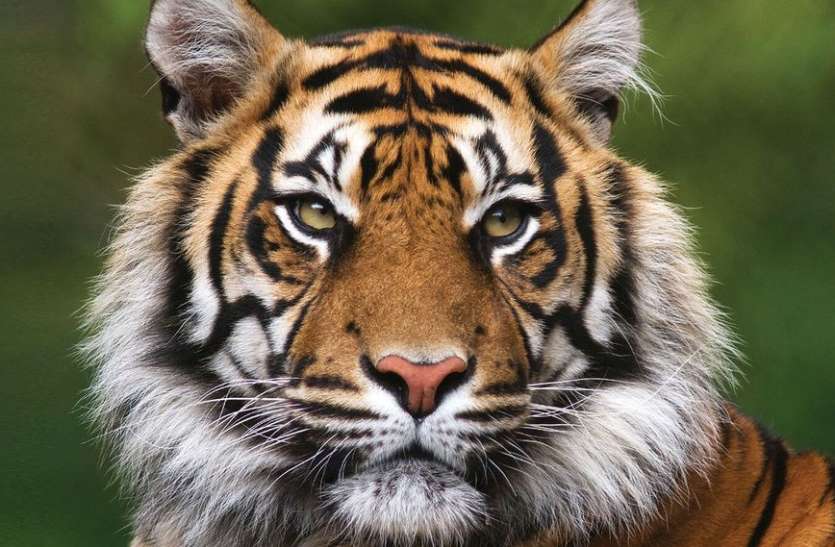
Shuklaphanta National Park, despite its relatively small size, has carved a distinct identity as one of Nepal’s most significant destinations for Royal Bengal tiger conservation. Covering just 305 square kilometers, the park currently houses an impressive 44 tigers, a number that is considered notably high given the limited space. The park is not only known for its tiger population but also for hosting herds of swamp deer (barasingha), one of the world’s rarest species, making it a unique ecological treasure.
According to Purushottam Wagle, the park’s Information Officer, the rising tiger population is the result of effective habitat management and abundant prey availability. “Even with limited area, the presence of suitable prey and habitat has made Shuklaphanta an ideal refuge for tigers,” Wagle shared. He added that the park’s core zone management and over 100 natural waterholes have further enriched the ecosystem, promoting tiger survival and reproduction.
Rising Tiger Numbers: A Decade of Conservation Success
Data from the park highlights the remarkable growth in tiger numbers. In 2013, the park recorded 17 tigers, which slightly decreased to 16 in 2018. By 2021, the number rose to 19, and in 2022, it jumped significantly to 36. According to the most recent camera-trapping census, the number now stands at 44, including 24 males, 17 females, and an estimated 3 additional individuals based on habitat analysis.
This growth is even more significant considering the park’s relatively small geographic footprint. “Shuklaphanta has proven that with the right conditions, adequate food and secure shelter, tiger populations can thrive, even in small areas,” Wagle explained.
Ideal Habitat Conditions Fuel Tiger Growth
The park’s habitat is characterized by vast grasslands, dense sal forests, and rich wetlands like Rani Tal, Sikari Tal, and Chaudhar River, which play an integral role in sustaining the food chain. According to Wagle, these natural and artificial wetlands ensure there is no water scarcity for wildlife even during dry seasons.
The availability of key prey species, including barasingha, spotted deer (chital), wild boars (bandel), and hog deer (ratuwa), has significantly supported the growth of the tiger population. These species are thriving due to favorable conditions created by conservation initiatives, which in turn sustain a healthy predator-prey balance.
Wagle emphasized that Shuklaphanta’s core area management, particularly the creation and maintenance of waterholes and grazing grounds, has directly contributed to the increasing tiger count. In fact, the park is home to the world’s largest continuous grassland, adding further ecological value.
Tourism Potential Undermined by Limited Infrastructure and Promotion
Despite its biodiversity and ecological significance, Shuklaphanta National Park is not drawing significant numbers of tourists. According to Wagle, the park’s poor promotion, lack of tourism infrastructure, and high travel costs have limited its potential to become a major tourist destination.
“Shuklaphanta is a hidden gem for wildlife enthusiasts,” he said, “but issues like expensive airfares, inadequate tour packages, and minimal private sector investment have hindered its growth.” The park, located in the far-western region of Nepal, remains under-visited even though it offers unique wildlife viewing opportunities in a compact area.
Wagle pointed out that Indian tourists could represent a large share of visitors due to the park’s proximity to the Indian border. However, inconvenient border crossing procedures and poor connectivity have restricted this potential market. “Improved infrastructure, relaxed border policies, and increased investment in hospitality could transform Shuklaphanta into a thriving tourism hub,” he added.
Need for Investment and Inclusive Tourism Strategy
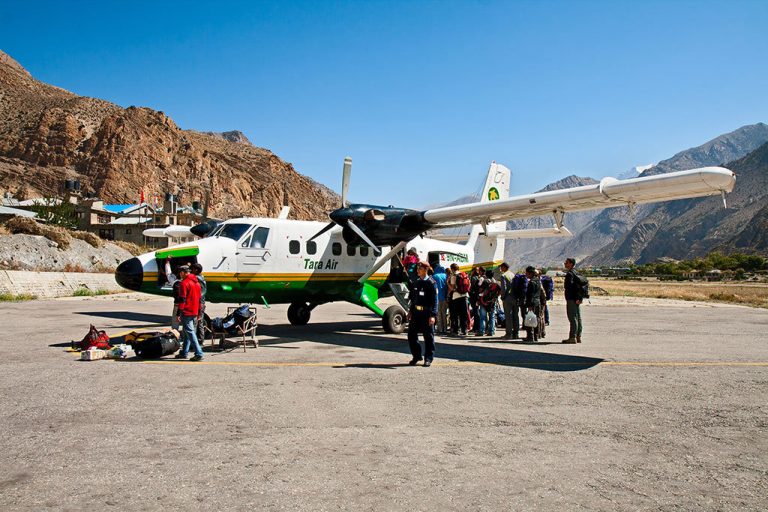
Wagle also criticized the disparity in airfares between Nepali and foreign tourists. “Foreigners have to pay nearly double the airfare to reach the park compared to domestic travelers,” he noted. This discourages international visitors who instead choose more accessible destinations like Kathmandu, Pokhara, or Chitwan.
He stressed the need for a comprehensive tourism strategy, including affordable and inclusive tour packages, better access roads, and private sector collaboration. The lack of diversified tourism offerings and limited accommodation facilities also contributes to low visitor numbers.
“Foreign visitors who come for nature-based tourism are interested in parks like Shuklaphanta, but due to poor tour packaging and limited promotion, they often skip it,” Wagle explained. Creating sustainable tourism models that align with conservation goals could boost the local economy and enhance wildlife protection efforts.
Conservation Success Rooted in Biodiversity and Water Management
Shuklaphanta is currently home to over 2,323 barasinghas, the highest number in Nepal, making it not just a haven for tigers but a critical biodiversity hotspot. The Chaudhar, Syali, and Mahakali rivers support the park’s wildlife and maintain year-round water availability. The Chaudhar River, in particular, is the primary water source for wild animals in the park, ensuring hydration even during the dry season.
The park’s conservation strategy, which integrates natural and artificial water sources, strategic grassland management, and community engagement, serves as a model for other protected areas. The healthy tiger population and the rich diversity of flora and fauna reflect years of effective management and local cooperation.
A Hidden Gem with Immense Potential
Shuklaphanta National Park exemplifies the possibility of successful wildlife conservation in limited spaces. Its dense biodiversity, iconic species, and scenic grasslands make it a unique site for both scientific research and eco-tourism. However, without adequate policy attention, investment, and international promotion, its vast potential remains largely untapped.
As Nepal continues to promote itself as a wildlife and nature tourism destination, Shuklaphanta stands as a sleeping giant, waiting for the right blend of infrastructure, awareness, and strategic investment to realize its true value, both ecologically and economically.