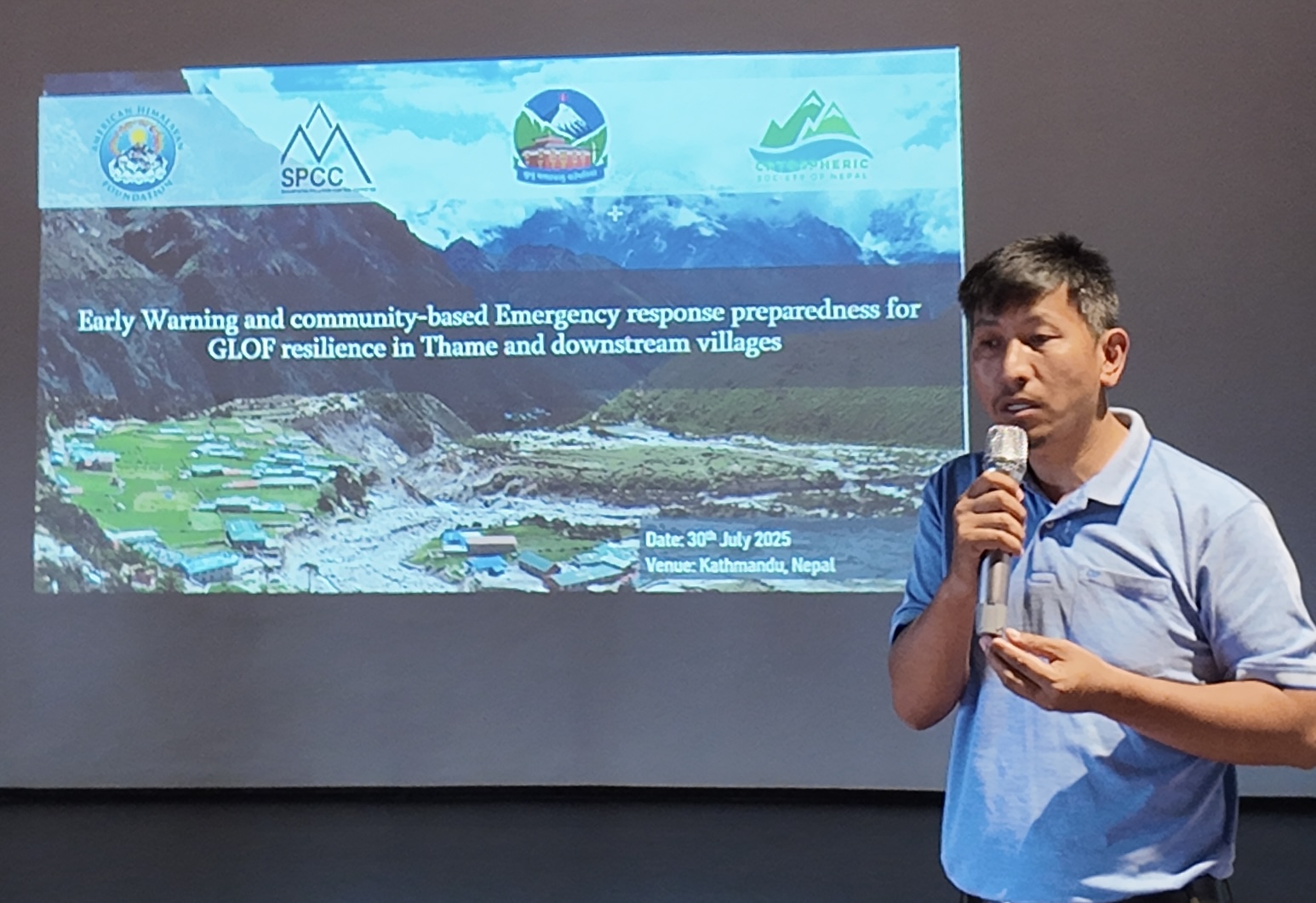
On 30th July 2025, the Sagarmatha Pollution Control Committee (SPCC) officially launched a critical climate resilience initiative titled “Early Warning and Community-Based Emergency Response Preparedness for GLOF Resilience in Thame and Downstream Villages.” The project, supported by the American Himalayan Foundation, is a multi-stakeholder effort designed to enhance preparedness against Glacial Lake Outburst Floods (GLOFs) in the Khumbu region of Nepal.
This vital initiative is being led by SPCC in close collaboration with Khumbu Pasanglhamu Rural Municipality and the Cryospheric Society of Nepal (CSN). The project is expected to strengthen the region’s adaptive capacity to climate-induced disasters by focusing on the dual goals of early warning systems (EWS) and community-based emergency response preparedness.
Inception Workshop Brings Together Key Stakeholders
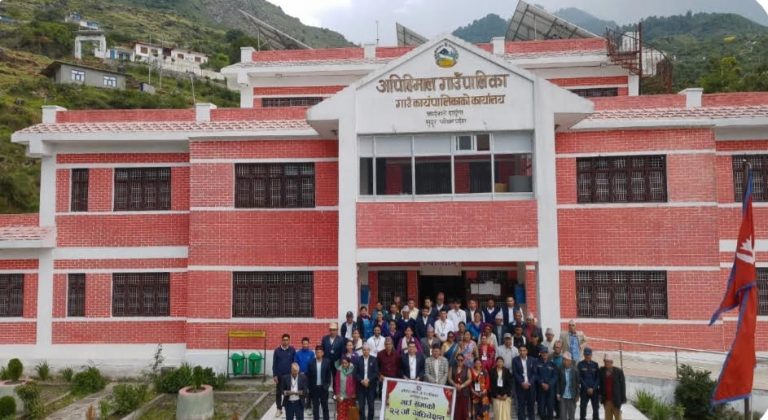
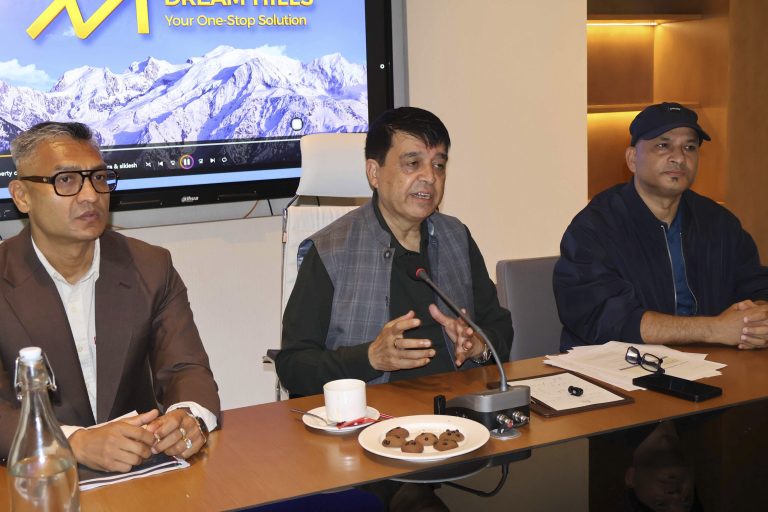
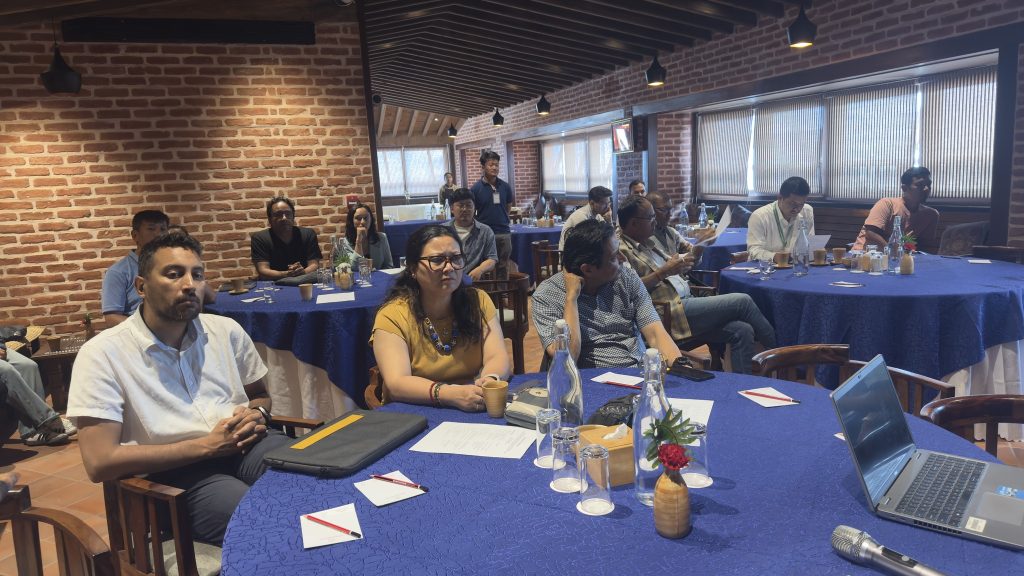
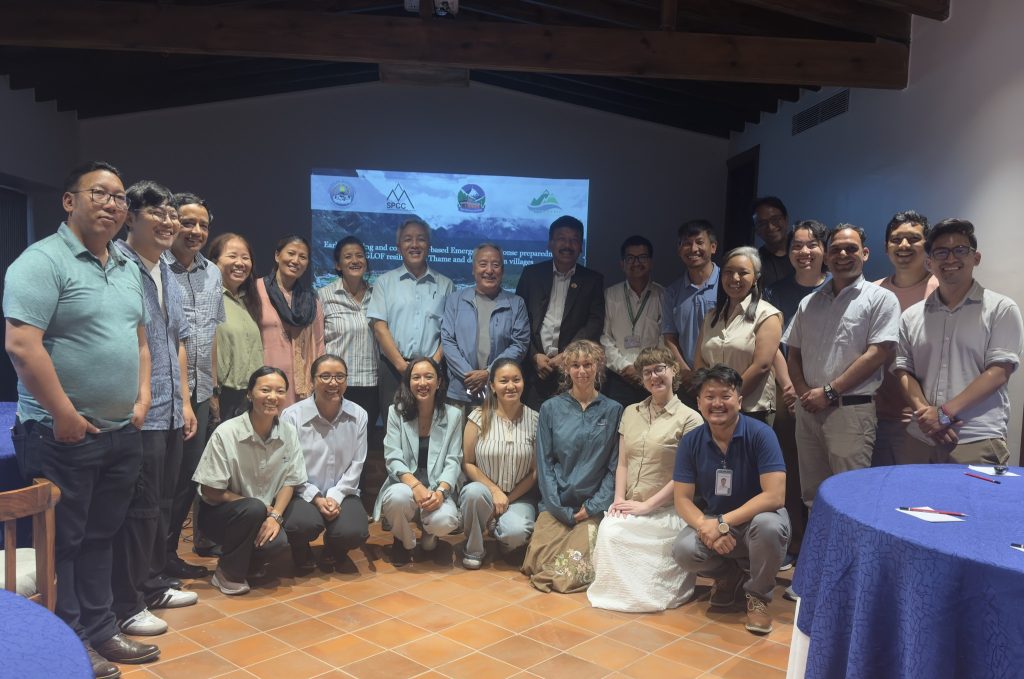
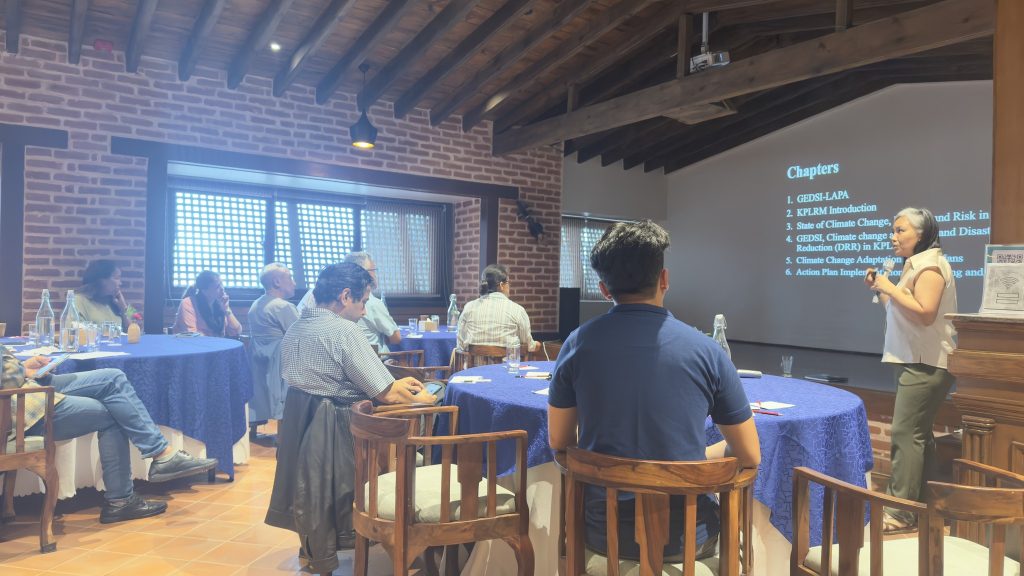
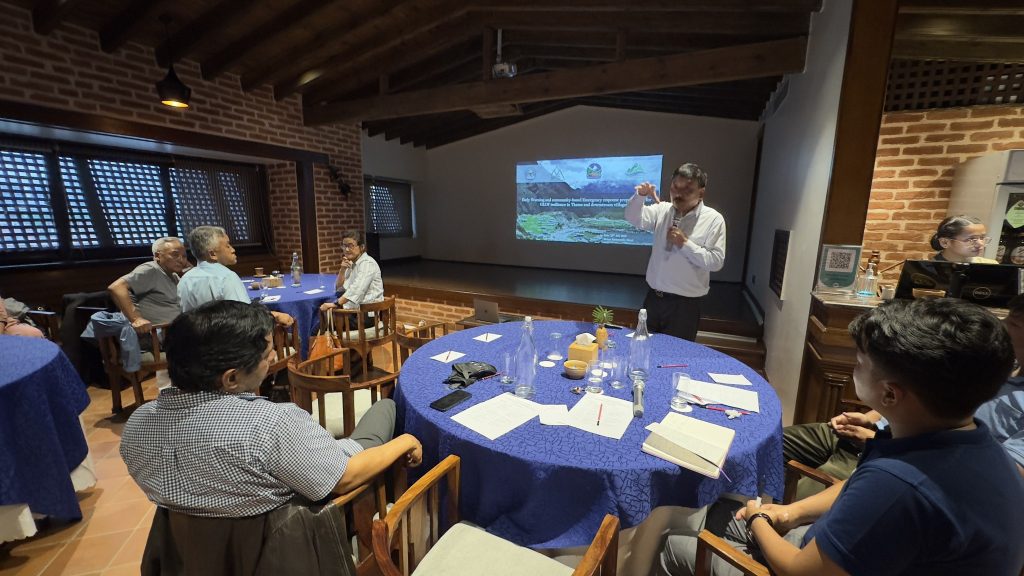
The project was inaugurated with an inception workshop, held in the Khumbu region, which saw the enthusiastic participation of a diverse group of stakeholders. Attendees included representatives from government agencies, local government bodies, national and international non-governmental organizations (NGO/INGOs), climate change experts, researchers, academicians, local community leaders, and residents from Thame and neighboring villages.
The workshop served as a vital platform for knowledge sharing, capacity building, and collective planning to design and implement a robust early warning system and prepare grassroots communities to respond effectively in the event of a GLOF.
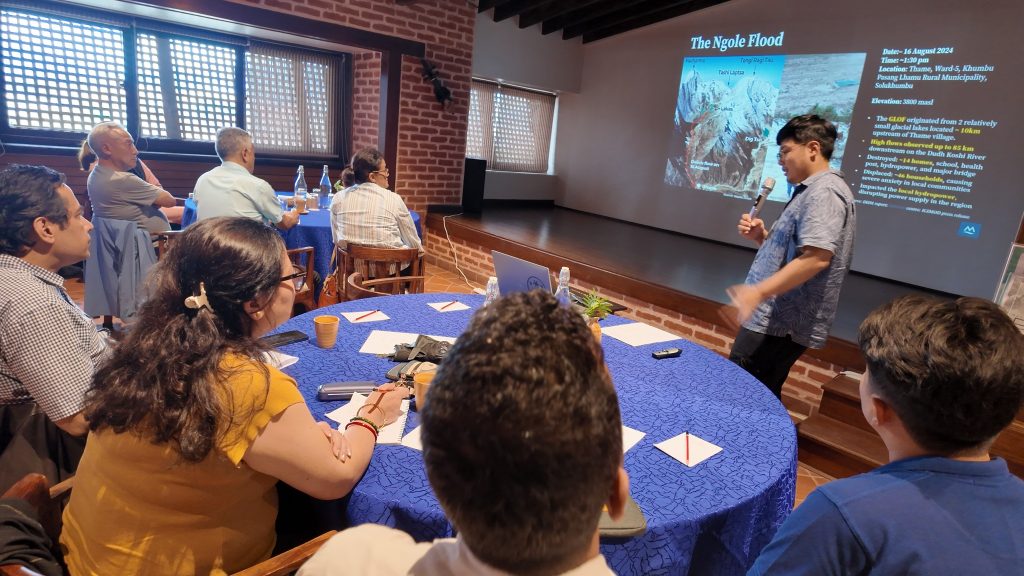
During the discussions, experts highlighted the increasing frequency and severity of glacial hazards in the Himalayas due to accelerating glacier melt caused by climate change. They underscored the urgency of equipping vulnerable mountain communities with the tools, training, and technologies necessary to mitigate disaster risks.
Why GLOF Preparedness Matters in Khumbu
The Khumbu region, located in the Everest (Sagarmatha) area of northeastern Nepal, is one of the most climate-vulnerable zones in the Himalayas. The region is home to several glacial lakes formed by melting glaciers, and the risk of GLOFs, sudden discharges of water from glacial lakes, is escalating due to rising global temperatures.
GLOFs can have catastrophic consequences, including loss of life, destruction of infrastructure, displacement of communities, and long-term socio-economic disruptions. Villages such as Thame, Thamo, Phurte, and Namche, located downstream of potentially dangerous glacial lakes, are particularly exposed to these threats.
As these risks grow more imminent, SPCC’s project is both timely and essential, aiming to enhance the resilience of these mountain communities through scientific planning, technical solutions, and grassroots engagement.
Project Objectives and Strategic Components
The project will assess the existing glacial lake conditions and install or upgrade early warning systems using modern sensors and communication networks. This will enable real-time monitoring of glacial lakes and rapid dissemination of alerts to at-risk communities. Local villagers will be trained in emergency response protocols, evacuation planning, and basic first aid. Community disaster management committees (CDMCs) will be established or strengthened to ensure local ownership and sustainability.
Workshops, drills, and educational materials will be developed to improve public awareness of GLOF risks and preparedness measures. Schools and local institutions will be engaged to cultivate a culture of resilience. Collaboration with the Cryospheric Society of Nepal and other experts will support ongoing glaciological research, helping to map high-risk glacial lakes and develop a risk index for prioritization of interventions.
Collective Commitment to a Safer Khumbu
The success of this initiative hinges on inter-agency collaboration and active community participation. During the workshop, stakeholders expressed their shared commitment to building a disaster-resilient Khumbu through cooperation, innovation, and inclusiveness.
Representatives from Khumbu Pasanglhamu Rural Municipality emphasized their full support for the project and their intention to integrate GLOF preparedness into the local development planning framework. Similarly, members of the local community welcomed the initiative, recognizing its potential to protect lives and livelihoods.
The SPCC team extended heartfelt thanks to all contributors for their insightful feedback, technical guidance, and moral support. They noted that the project marks a significant milestone in the region’s journey toward climate resilience and disaster preparedness.
Looking Ahead: A Model for Mountain Resilience
This project is more than a local safety measure, it is a model for how mountain regions across Nepal and the Himalayas can prepare for and adapt to climate-induced disasters. By blending science, local wisdom, and community empowerment, the initiative aspires to create lasting change and set a precedent for climate adaptation in other vulnerable zones.
As the climate crisis deepens, investments in early warning systems and community-based preparedness are no longer optional but essential. With the collaborative leadership of SPCC, support from the American Himalayan Foundation, and the strong engagement of local institutions, Khumbu is taking a bold step toward a safer, more sustainable future.