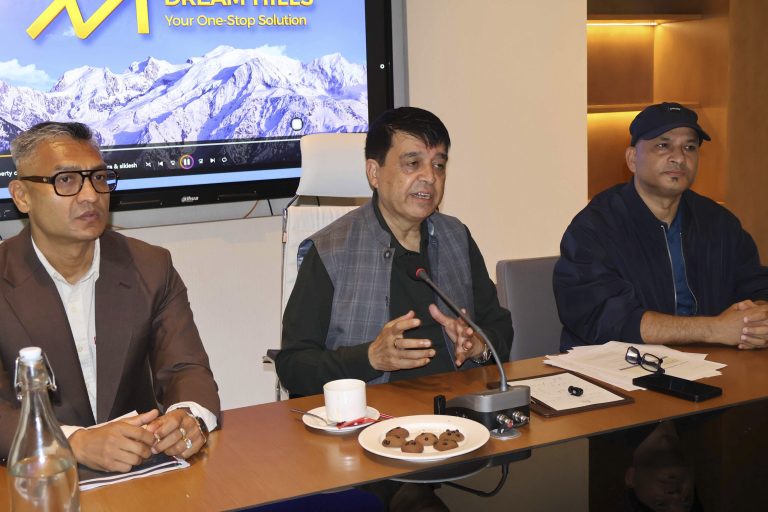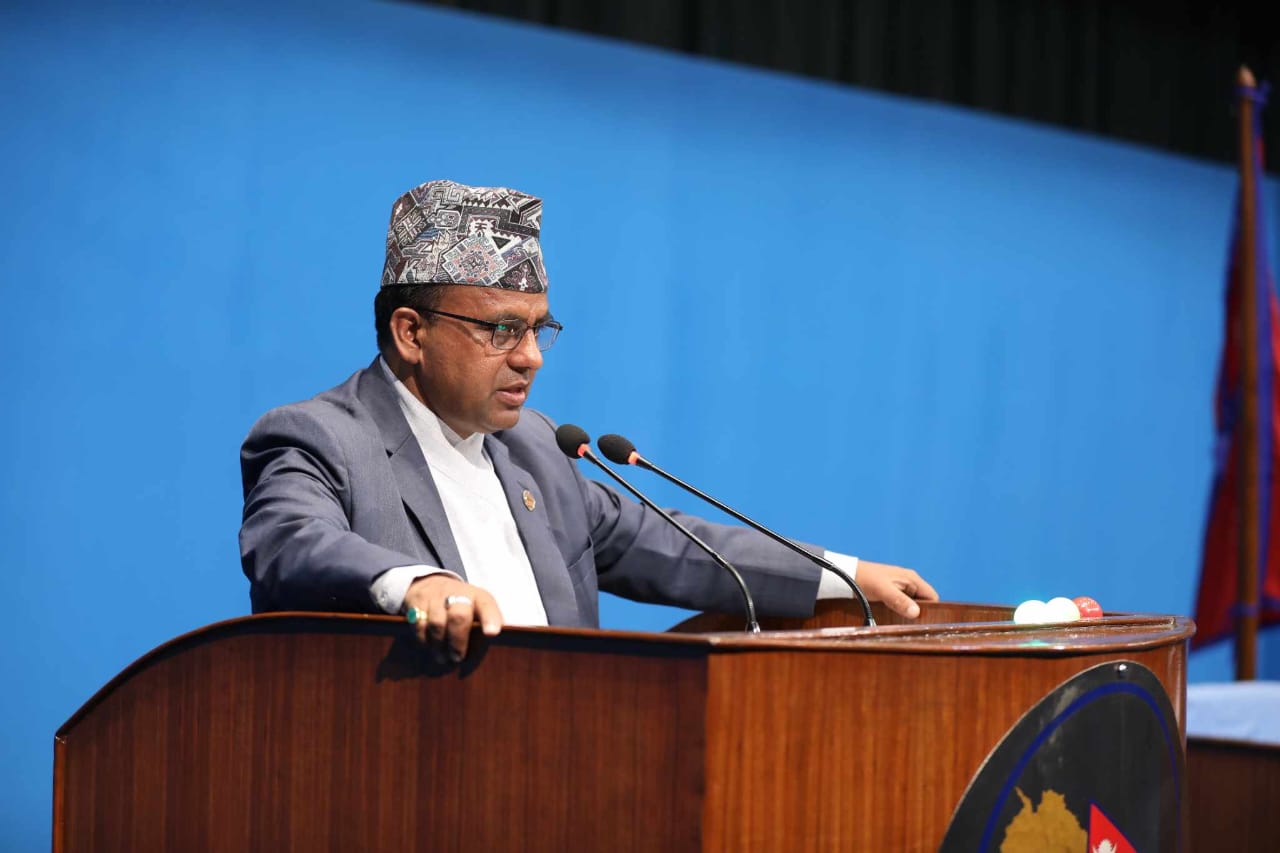
Minister for Culture, Tourism, and Civil Aviation, Badri Prasad Pandey, announced that the government is set to finalize the operational modality for the long-anticipated Nijgadh International Airport, a project recognized as one of Nepal’s national pride projects. Speaking at the meeting of the National Assembly’s Committee on Federalism Strengthening and National Concerns, Minister Pandey emphasized the importance of moving forward with the construction of the airport with urgency and clarity.
Nijgadh Airport: A National Priority Amidst Uncertainty
“Nijgadh is undoubtedly a project of national pride, yet it remains clouded in uncertainty,” said Minister Pandey during the committee discussion. “In this year’s budget speech, we have committed to determining the construction and operational modality of the project. We are actively working on it with a sense of urgency.”
The Nijgadh International Airport, proposed in Bara District, has long been envisioned as a major aviation hub capable of handling large international air traffic and relieving pressure from Tribhuvan International Airport in Kathmandu. Despite years of discussion, legal disputes, and environmental concerns, progress has been stalled. Minister Pandey’s statement now signals a renewed government commitment to turn this vision into reality.
Addressing Underutilization at Pokhara and Bhairahawa Airports
Minister Pandey acknowledged that Pokhara and Gautam Buddha International Airports, though technically capable and strategically located, are not operating at full capacity, not due to route limitations, but due to a shortage of passengers.
“We recognize that air service providers are facing heavy losses, sometimes in crores, because of insufficient passenger traffic,” he said. “We are taking initiatives to boost demand by expanding facilities related to labor permits, manpower companies, and health check-ups around these airport regions. These services are expected to generate outbound passenger flow, especially among migrant workers.”
The statement highlights a shift in focus from infrastructure development to passenger generation, signaling that the ministry intends to support airlines by creating demand ecosystems around key international airports.
Operational Stability and Regional Aviation Development
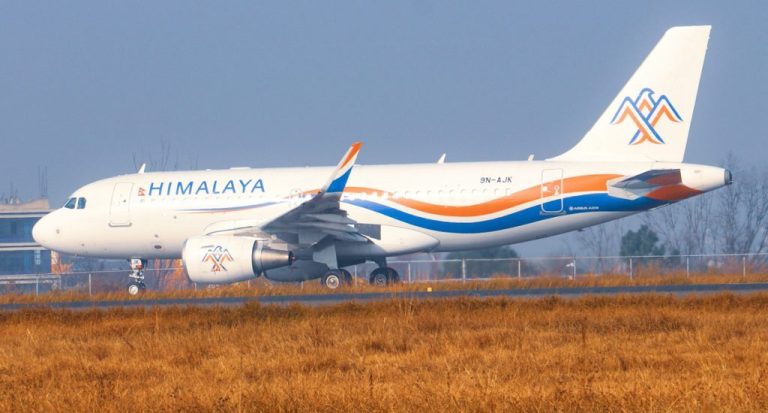
The Minister further reported that six aircraft of Nepal Airlines are currently in operation. He assured that measures have been taken to ensure consistent operations in the future and that operational gaps will be minimized.
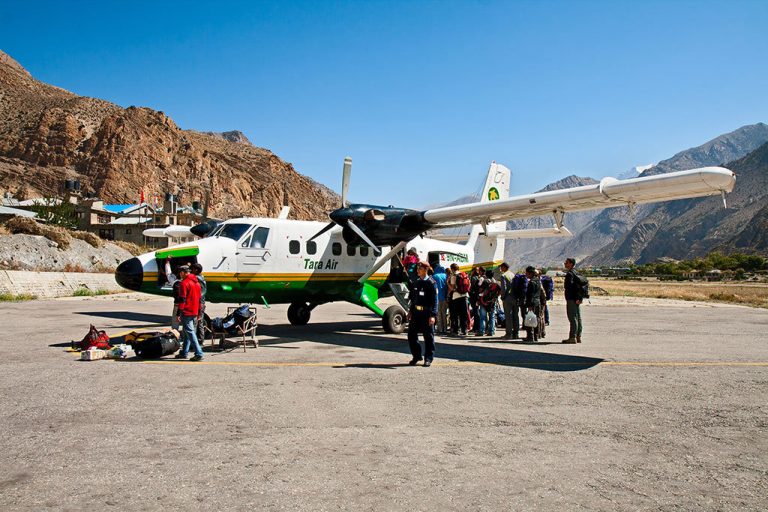
In line with promoting air access to remote regions, he said that preparations are underway in coordination with provincial governments to operate small aircraft in hilly districts. This initiative aims to improve connectivity, support domestic tourism, and enhance service delivery to underserved areas.
Vision for the Next Decade: Tourism as a National Priority
Looking ahead, the government is preparing to declare the upcoming decade as the “Tourism Priority Decade”. Minister Pandey informed the assembly that multiple policy dialogues have already begun, involving the federal ministries, provincial and local governments, and the private sector.
The goal, he said, is to bring all stakeholders together under a common platform to revitalize Nepal’s tourism sector, which has faced severe challenges in recent years, particularly due to the COVID-19 pandemic and global travel uncertainties.
The Minister added that the ministry is giving special attention to legal and policy reforms, targeting improved governance, reduced corruption, and transparency in tourism-related infrastructure and service delivery.
International Flight Operations and Institutional Coordination
Hari Prasad Mainali, Secretary of the Ministry of Culture, Tourism, and Civil Aviation, also addressed the meeting. He said that efforts are underway to establish regular international flights from both Bhairahawa and Pokhara International Airports. These efforts include negotiations with international airlines, as well as improvements in ground handling, fuel services, and immigration systems.
Despite being inaugurated with great fanfare, both airports have struggled to attract regular international airlines. The government now appears determined to resolve institutional, operational, and diplomatic hurdles to make these airports fully functional.
Lawmakers Call for Action and Clarity
During the committee discussion, several members of the National Assembly urged the government to swiftly finalize the modality for Nijgadh Airport, develop comprehensive strategies to increase international flights from Pokhara and Bhairahawa, and create clear standards for national pride projects.
Lawmakers emphasized that the Civil Aviation Authority of Nepal (CAAN) and the Ministry must develop actionable plans that ensure timely progress on infrastructure and connectivity projects, which are essential for economic growth, tourism, and foreign employment facilitation.
The dialogue reflected the growing concern among legislators about Nepal’s aviation future and its alignment with national development priorities. They stressed that without strong implementation frameworks, infrastructure projects risk remaining underutilized or turning into financial liabilities.
A Strategic Turning Point
The meeting marked a strategic turning point in the government’s approach to aviation and tourism infrastructure. With a renewed commitment to completing Nijgadh International Airport, boosting passenger traffic at regional airports, and declaring the Tourism Priority Decade, the Ministry of Culture, Tourism, and Civil Aviation is signaling a holistic reform agenda.
Successful execution will, however, depend on inter-agency coordination, public-private partnership, and accountability at all levels. As Nepal eyes a tourism rebound and improved global connectivity, the decisions taken today will shape the future of Nepal’s position in the regional and international aviation map.