In the serene eastern hills of Nepal lies a small village where tourists are not just guests, they become part of a family. Perched atop the lush green ridges of Dhankuta, Syaule Siptin welcomes visitors with the gentle morning breeze and golden rays of the sun glinting over the apple orchards. But beyond the natural beauty, this village holds a deeper story, the story of the Athpahariya community, one of Nepal’s endangered indigenous groups, and their remarkable journey of cultural revival through community-based tourism.
According to Nepal’s 2021 Census, there are only 5,878 Athpahariya people left in the country. This small yet culturally rich ethnic group traces its ancestral roots to the region between the Arun and Tamor rivers. Determined to preserve their identity and heritage, the community has established the Syaule Siptin Athpahariya Community Homestay in Ward No. 3 of Dhankuta Municipality.
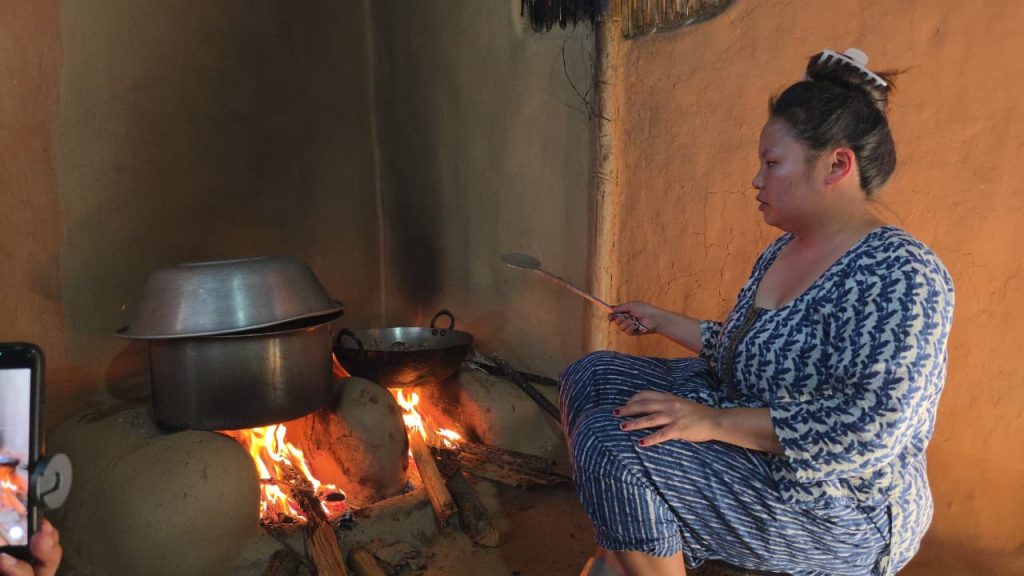
A Collaborative Effort for Sustainable Tourism
The homestay initiative began with support from the Integrated Centre for Mountain Development (ICIMOD) and the Community Homestay Network (CHN). Further collaboration came from the Sustainable Tourism for Livelihood Recovery Project (STLRP), jointly implemented by the Nepal Tourism Board and the United Nations Development Programme (UNDP), in partnership with Dhankuta Municipality.

What started as a small idea to promote local livelihoods has now evolved into a model of sustainable tourism that integrates cultural preservation, hospitality, and economic empowerment. The Athpahariya community, though small in number, has made a significant impact, transforming Syaule Siptin into a living museum of tradition, nature, and heartfelt hospitality.
Hospitality Rooted in Culture
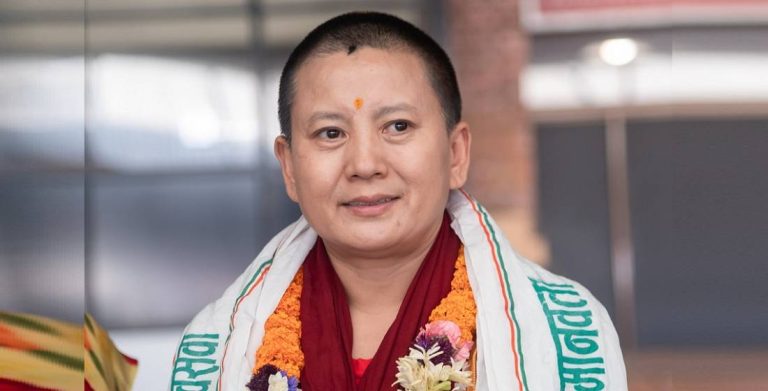
Here, the welcome ceremony is unlike anything you find in conventional hotels. When guests arrive, they are greeted by the mothers and sisters of the house with tika, floral garlands, and a warm smile. The ritual includes a symbolic offering of honey-mixed water, representing the sweetness of unity and the purity of tradition.
Once settled, guests are introduced to the history, customs, and beliefs of the Athpahariya people. It’s more than accommodation, it’s an immersion into a way of life. Each visitor becomes a witness to how a small community has gracefully blended tourism with cultural integrity. “Every visitor carries a story of connection when they leave,” says Homestay Chairperson Hira Bahadur Rai. “We don’t just offer rooms; we offer our way of life.”
Agriculture, Culture, and the Call of Nature
For most guests, the journey begins in the orange orchards. Walking through the terraced gardens, visitors engage with local farmers, learning about orange cultivation, honey production, and seed conservation. The homestay experience offers more than rest, it provides lessons in sustainable living and interdependence with nature.
In 2024 alone, the Syaule Siptin Homestay hosted 82 guests, 24 of them international tourists, and the rest from within Nepal. With capacity to accommodate up to 17 guests at a time, it has become a small but vibrant example of how community-led tourism can thrive even in remote regions.
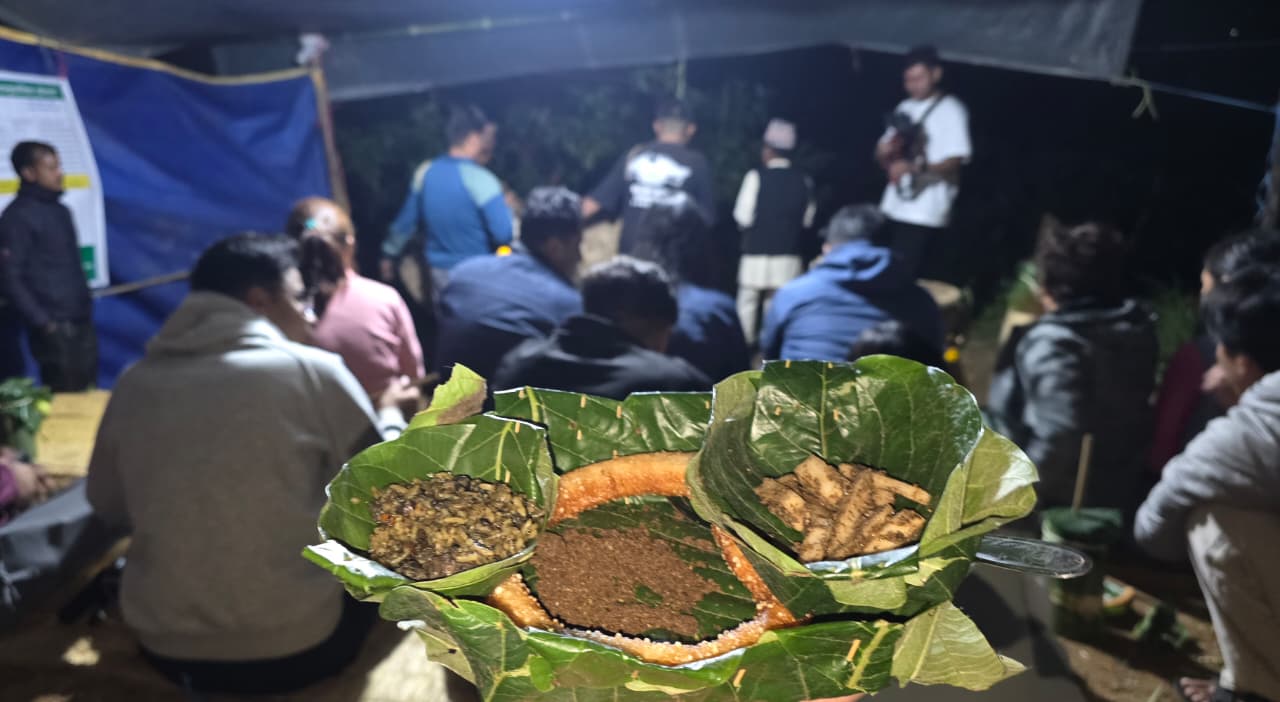
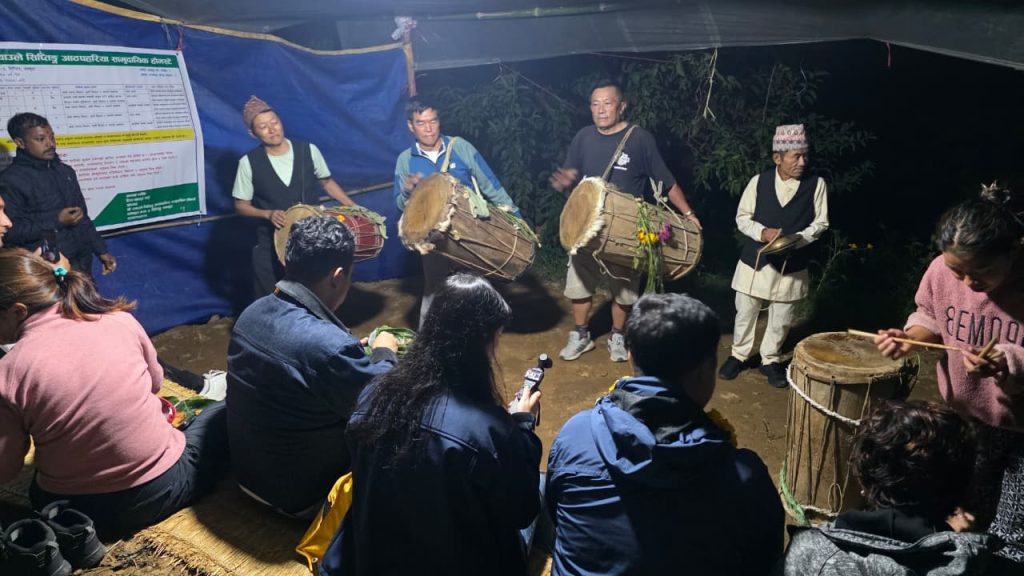
Every evening, the air fills with rhythm and color as local men and women perform traditional dances, sharing the songs, stories, and attire of the Athpahariya ancestors. For many young villagers, these performances are not just entertainment, they are lessons in identity and continuity.
Waterfalls, Caves, and New Trails
Beyond the village, nature reveals its wonders. About an hour and a half’s walk from the homestay, after a short drive, lies the Saat Tale Jharana (Seven-Tiered Waterfall), cascading down the heart of the mountain. Just a kilometer before the waterfall, visitors can explore the Saat Tale Cave, a hidden gem of local folklore and mystery.
The STLRP project has supported the development of walking trails and signboards, making these natural attractions more accessible while ensuring minimal environmental impact. This initiative has not only enhanced the homestay’s appeal but also placed the entire village on Nepal’s growing map of rural tourism destinations.
Preserving Identity Through Tourism
As one of Nepal’s endangered indigenous groups, the Athpahariya face the challenge of preserving their language, songs, and customs amid rapid modernization. Chairperson Rai expresses concern, saying, “We learned our traditions from our ancestors, but the younger generation is drifting away. If we lose our culture, we lose our history.”
To counter this, the community organizes cultural evenings, storytelling sessions, and skill-sharing programs where elders teach traditional dance, music, and weaving. Tourism, in this sense, has become a bridge, connecting generations, reviving pride, and providing sustainable income. “Tourism here is not just a business,” Rai adds, “it’s our way of keeping our culture alive.”

Youth Engagement and the Road Ahead
Young people play a crucial role in the homestay’s management. They receive training in guiding, hospitality, and tourism management, gaining both confidence and a sense of ownership. However, accessibility remains a challenge. The community has called on the government to improve road infrastructure leading to the village, which could significantly increase visitor flow and benefit the local economy.
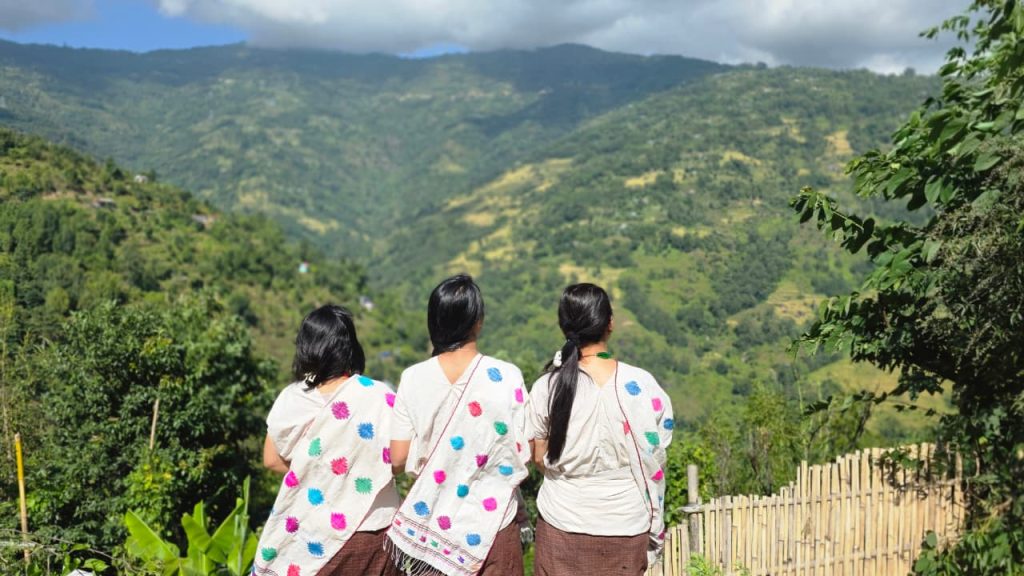
During a recent field visit, Khagendra Khadka, an official from the Sustainable Tourism for Livelihood Recovery Project, remarked, “Syaule Siptin is redefining cultural tourism in Nepal. When the traditional drums echo through the evening and the Athpahariya people dance with joy, visitors experience something profound, a union of nature, culture, and humanity.”
Nepal: A Country to Experience, Not Just See
In the heart of nature and the fragrance of earth, the Athpahariya people are writing a new chapter in Nepal’s tourism story, one that celebrates community, culture, and compassion. As the sun sets over the Dhankuta hills, visitors realize that Nepal is not merely a place to see, but a place to feel. Here, among the Athpahariyas of Syaule Siptin, hospitality is not a service, it’s a heartfelt tradition that turns strangers into family and travel into transformation.