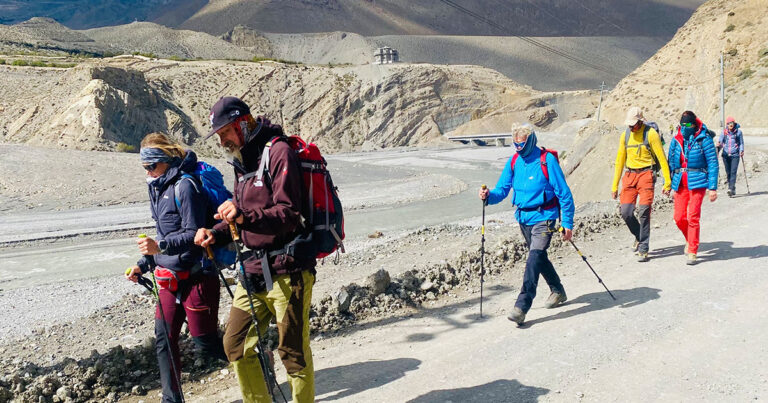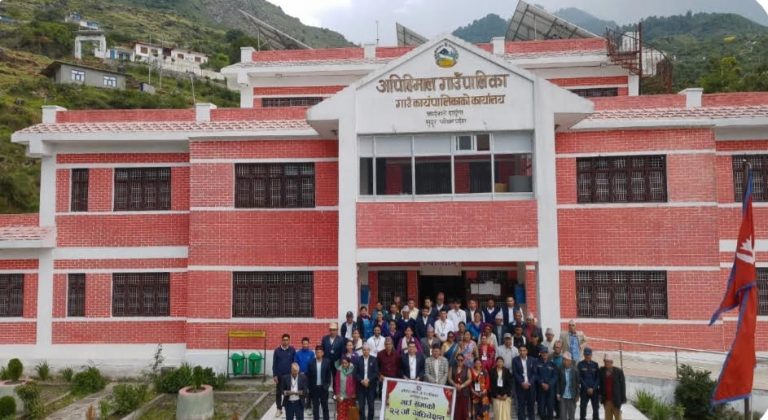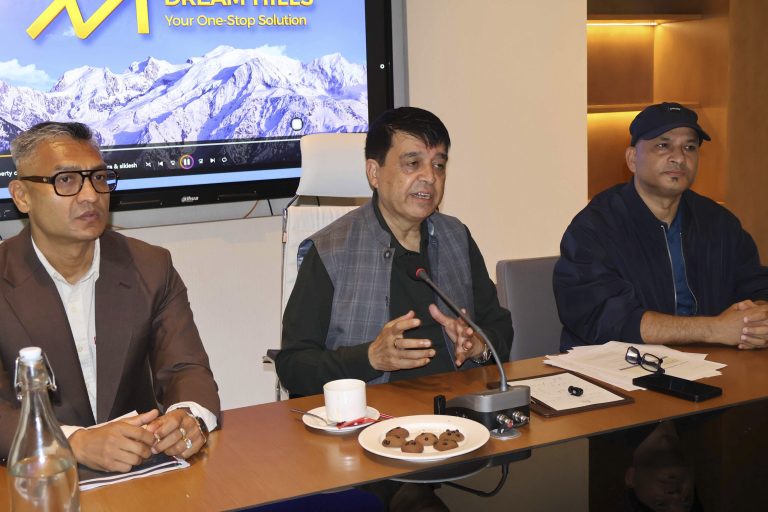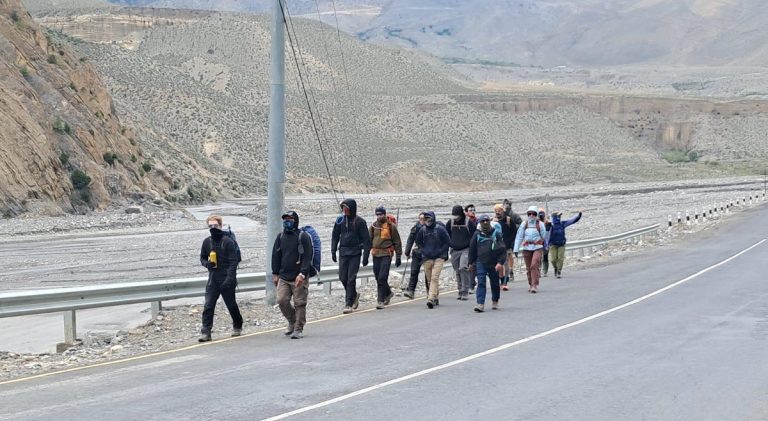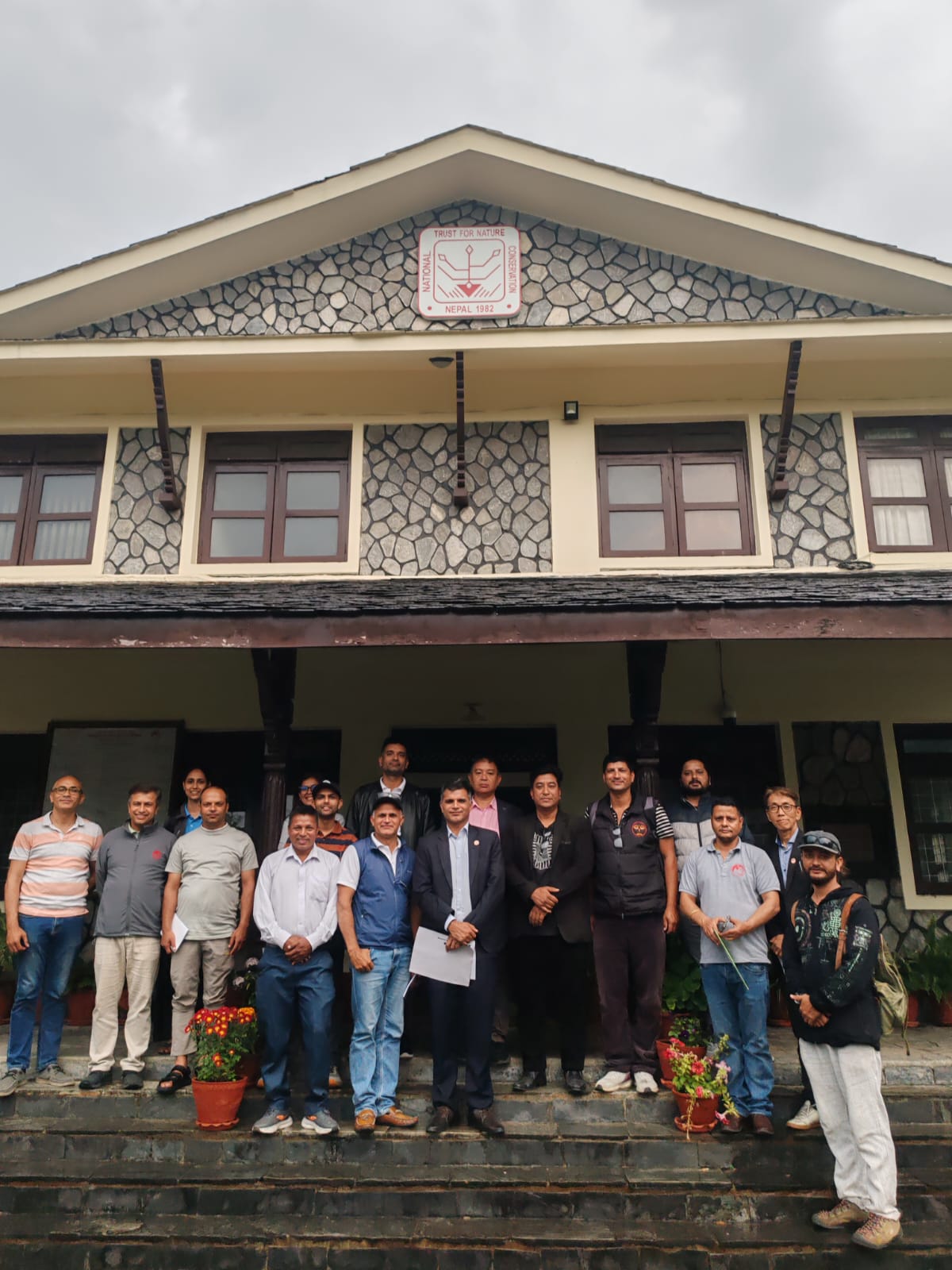
An interaction meeting was held between the Trekking Agencies’ Association of Nepal (TAAN), Gandaki Chapter, and the Annapurna Conservation Area Project (ACAP) to discuss key issues and future strategies related to sustainable trekking tourism in the Annapurna region.
The meeting brought together tourism entrepreneurs, conservation officials, and stakeholders involved in mountain tourism management, with a shared focus on balancing tourism growth with environmental protection. The discussion highlighted the increasing pressure on trekking routes in the Annapurna region due to rising visitor numbers and the urgent need for coordinated action to safeguard fragile mountain ecosystems.

Focus on Sustainable Tourism and Coordination with ACAP And TAAN Gandaki
The primary focus of the interaction was to strengthen coordination between tourism operators and conservation authorities to ensure that trekking activities in the Annapurna region remain environmentally responsible and socially beneficial. Participants emphasized that sustainable tourism is essential for preserving the region’s long-term attractiveness, which is one of Nepal’s most popular trekking destinations.
The discussion underscored the importance of aligning tourism development with conservation goals, particularly in protected areas where biodiversity and local livelihoods depend heavily on ecological balance. Stakeholders agreed that better coordination mechanisms between TAAN Gandaki and ACAP could help reduce duplication of efforts and improve the effectiveness of tourism management initiatives.
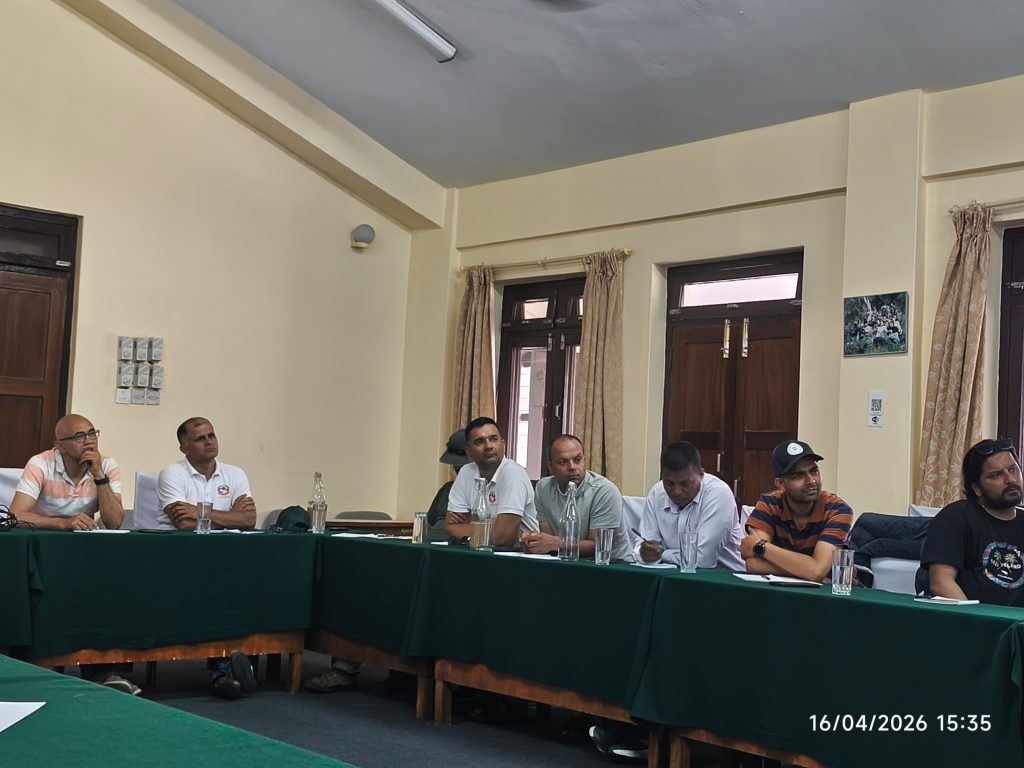
Addressing Environmental and Management Challenges
The meeting also reviewed several pressing challenges facing the Annapurna trekking routes, including environmental degradation, increasing solid waste, trail erosion, and unmanaged visitor impact. Participants noted that popular trekking corridors are experiencing growing stress due to rising tourist footfall, particularly during peak seasons.
Waste management emerged as a critical concern, with calls for stronger implementation of existing guidelines and improved infrastructure for waste collection and disposal. In addition, the meeting discussed the need to regulate trekking practices more effectively to minimize damage to natural habitats while ensuring a safe and enjoyable experience for visitors. Stakeholders stressed that without immediate and coordinated action, these challenges could undermine the sustainability of the region’s tourism industry.
Promoting Responsible Tourism Practices
A key outcome of the interaction was the shared commitment to promote responsible tourism practices among trekking agencies, guides, and visitors. Participants highlighted the importance of awareness campaigns targeting both domestic and international tourists to encourage environmentally friendly behavior during treks.
These include proper waste disposal, respect for local culture, and adherence to designated trekking routes. The discussion also emphasized the role of local communities in conservation efforts, noting that community involvement is crucial for the success of sustainable tourism models. By engaging residents in decision-making and benefit-sharing, stakeholders believe that conservation goals and tourism development can be better aligned.
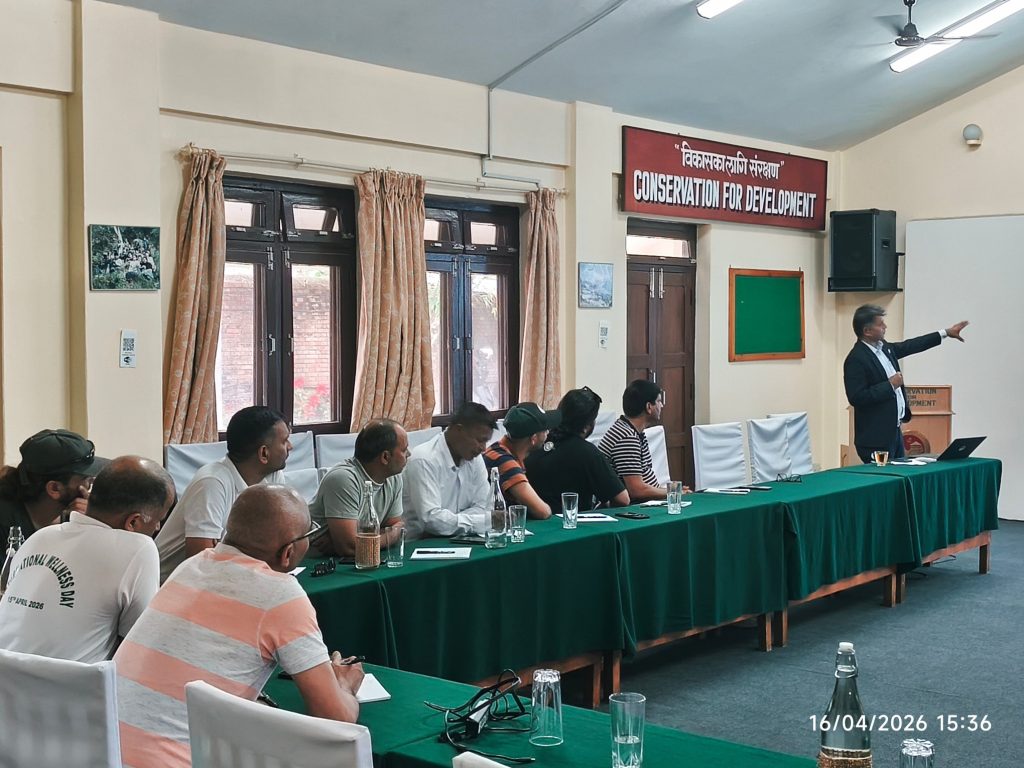
Strengthening Policy Implementation and Community Engagement
The interaction further explored ways to improve the implementation of existing tourism and conservation policies in the Annapurna region. Participants called for stronger enforcement mechanisms to ensure compliance with environmental regulations and trekking standards. They also stressed the need for regular monitoring of trekking activities and for improved coordination among local authorities, conservation bodies, and private-sector stakeholders.
Community engagement was identified as a key pillar for long-term sustainability, with suggestions to increase training and capacity-building programs for local guides and entrepreneurs. Such initiatives are expected to enhance service quality while ensuring that tourism revenues contribute directly to local development and conservation efforts.

Commitment to Long-Term Collaboration
The meeting concluded with a collective commitment to enhance collaboration between TAAN Gandaki and ACAP to maintain ecological balance and improve the overall quality of trekking experiences in the Annapurna region.
Both sides acknowledged that sustainable tourism development requires continuous cooperation, shared responsibility, and adaptive management approaches. Participants expressed optimism that strengthened coordination will help address existing challenges while preserving the natural beauty and cultural heritage of the Annapurna region for future generations. The interaction was seen as a positive step toward building a more resilient and responsible trekking tourism framework in one of Nepal’s most important mountain destinations.