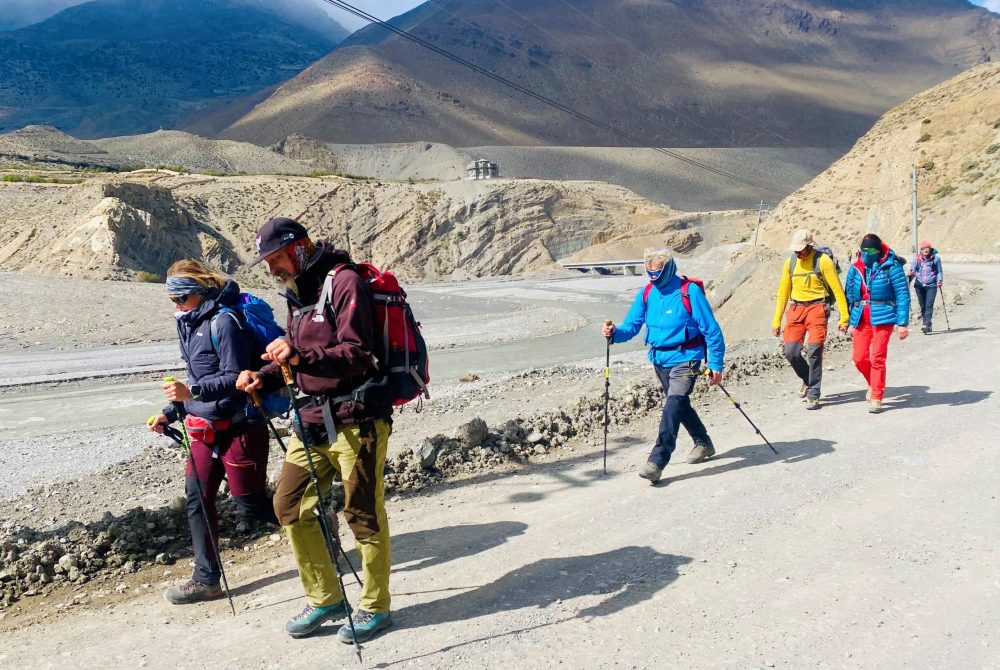
The tourism sector in Nepal has witnessed a remarkable upsurge during the month of Shrawan, reflecting a strong resurgence in travel interest and confidence in the country’s natural and cultural heritage. According to recent statistics, tourist arrivals in Shrawan 2082 have reached 11,824, marking an extraordinary 107% growth compared to the same period last year, when 5,710 visitors were recorded. This surge not only underscores the renewed appeal of Nepal’s tourism destinations but also highlights the effectiveness of ongoing conservation and promotion initiatives, particularly in areas such as the Annapurna Conservation Area.
Steady Growth Over the Years
The numbers in Shrawan have consistently grown over the past few years, signaling a positive trend in Nepal’s tourism sector. In 2079, the month of Shrawan saw 3,271 tourists, which increased to 5,401 tourists in 2080, representing a growth of more than 65%. The upward trend continued in 2081 with 5,710 arrivals, and the latest data from 2082 demonstrates an impressive leap, reaching 11,824 visitors.
This sustained increase highlights the growing global recognition of Nepal as a premier destination for adventure, culture, and nature-based travel. The numbers also indicate that tourism recovery post-pandemic is progressing steadily, with travelers feeling confident to explore the country’s diverse landscapes and heritage sites.
Focus on Annapurna Conservation Area
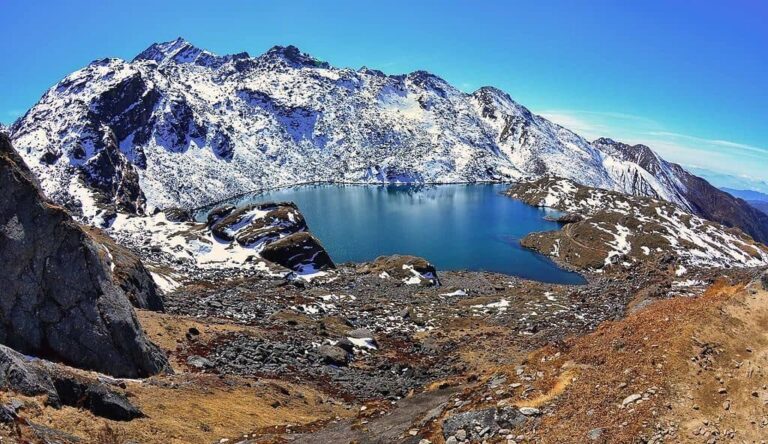
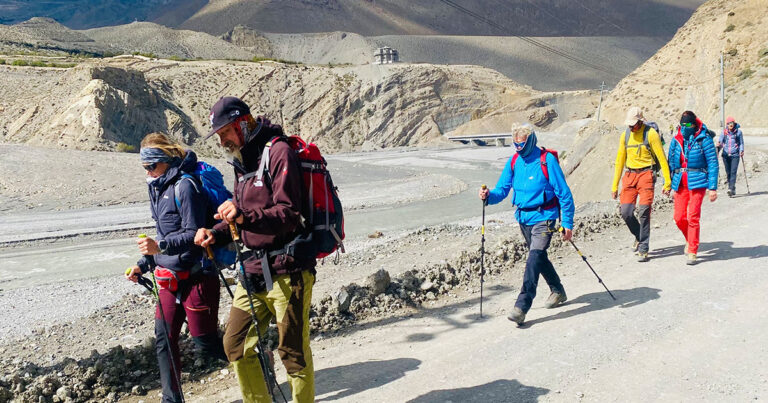
A major contributor to this growth is the Annapurna Conservation Area, one of Nepal’s most iconic and biodiverse regions. Visitors are drawn to its breathtaking mountain vistas, serene landscapes, and rich cultural heritage. Local authorities and tourism stakeholders have been actively promoting sustainable travel practices to preserve the delicate ecosystem while offering visitors an unforgettable experience.
The surge in tourist arrivals in Shrawan reflects not only increased marketing and outreach but also the confidence of travelers in the region’s infrastructure, safety measures, and hospitality services. Programs aimed at eco-tourism and responsible trekking have gained international recognition, encouraging environmentally conscious travelers to visit and support the local economy.
Economic and Community Impact
The growth in tourism has significant economic implications for Nepal. Increased tourist arrivals contribute to local income, employment opportunities, and development of hospitality and transport sectors. Communities in and around key destinations such as the Annapurna Conservation Area benefit directly, with local businesses, guides, and artisans seeing increased demand for their services and products.
Moreover, tourism encourages the preservation of local culture, traditions, and heritage sites. Cultural festivals, handicraft markets, and culinary experiences attract visitors and create avenues for cultural exchange. The economic benefits are often reinvested into community development projects, creating a positive cycle of sustainable growth.
Promoting Sustainable Tourism
Nepal’s government, alongside private stakeholders, has placed strong emphasis on promoting sustainable tourism. Policies and initiatives aim to ensure that the growth in tourist numbers does not negatively impact the environment or local communities. Responsible trekking guidelines, waste management programs, and community-based initiatives are central to these efforts.
The impressive 107% growth in Shrawan serves as a reminder of the potential for tourism to thrive while adhering to principles of sustainability. Encouraging responsible visitor behavior, supporting eco-friendly accommodations, and conserving natural habitats are integral to maintaining Nepal’s reputation as a top destination for environmentally conscious travelers.
Looking Ahead
With the start of FY 2082/83, tourism stakeholders are optimistic about continued growth. The record-breaking tourist arrivals in Shrawan demonstrate the effectiveness of strategic promotion, improved infrastructure, and enhanced visitor experiences.
Authorities encourage collaboration between government bodies, local communities, and private enterprises to further develop tourism offerings while safeguarding Nepal’s natural and cultural treasures. Investments in infrastructure, digital promotion, and visitor services are expected to support steady growth throughout the year.
As Nepal continues to welcome more visitors, the focus remains on creating memorable experiences while preserving the country’s unparalleled biodiversity and cultural richness. The remarkable surge in Shrawan tourism is a testament to the nation’s resilience, attractiveness, and commitment to sustainable tourism development.
The tourism sector’s impressive growth in Shrawan 2082, marked by a 107% increase over the previous year, showcases Nepal’s rising prominence as a global travel destination. With a combination of breathtaking landscapes, rich cultural heritage, and sustainable tourism practices, Nepal is poised to welcome even greater numbers of tourists in the coming months. Stakeholders remain committed to fostering an ecosystem that benefits local communities, protects the environment, and delivers unforgettable experiences to travelers from around the world.