With a notable rise in tourist arrivals, the Annapurna Conservation Area Project (ACAP) has witnessed a substantial increase in revenue generated from entry fees. According to ACAP, a total of NPR 46 crore 48 lakh 81 thousand 483 was collected from foreign tourists in the last fiscal year. Compared to the fiscal year 2080/81, tourist arrivals increased by 25 percent, reflecting the region’s growing popularity among both domestic and international visitors.
Breakdown of Tourist Arrivals
ACAP records show that in the previous fiscal year, 222,180 foreign tourists visited the region. In the last fiscal year, this number surged to 278,113. Among them, 157,786 were from South Asian countries, while 120,327 came from other parts of the world. The diversity of visitors highlights Annapurna’s global appeal as a premier trekking and cultural tourism destination.
Revenue from Entry Fees
In the fiscal year 2080/81, ACAP collected NPR 38 crore 94 lakh 61 thousand 483 in entry fees. As per ACAP’s rules, South Asian tourists pay NPR 1,000 for entry, while other foreign tourists are charged NPR 3,000. Project Chief Dr. Rabin Kadariya explained that a large share of the revenue is directed towards conservation activities and tourism promotion programs. “ACAP does not receive a separate budget from the government. Operational costs, staff management, and annual programs are entirely funded from internal revenue,” he said.
Utilization of Revenue
Dr. Kadariya emphasized that funds are implemented through local conservation area management committees. For the current fiscal year, ACAP has an approved budget of NPR 38 crore. The revenue supports activities such as trekking route construction, waste management, small-scale irrigation and drinking water projects, income-generating programs, and conservation education. While ACAP retains revenue from entry fees, income from herbal collection and other natural resource uses is deposited into the Government of Nepal’s treasury.
Additional Revenue Sources
ACAP also contributes to state income through fees collected from hydropower projects operating within the conservation area, mountaineering permit fees, and charges for entry into restricted zones. In the last fiscal year, foreign visitors to Upper Mustang and Nar Phu in Manang, both restricted areas, paid a total of NPR 30 crore 17 lakh 52 thousand in entry fees. The Department of Immigration collects these fees, with Upper Mustang visitors paying USD 500 per person and Nar Phu visitors paying USD 1,000 per person.
Tourist Seasons and Trends
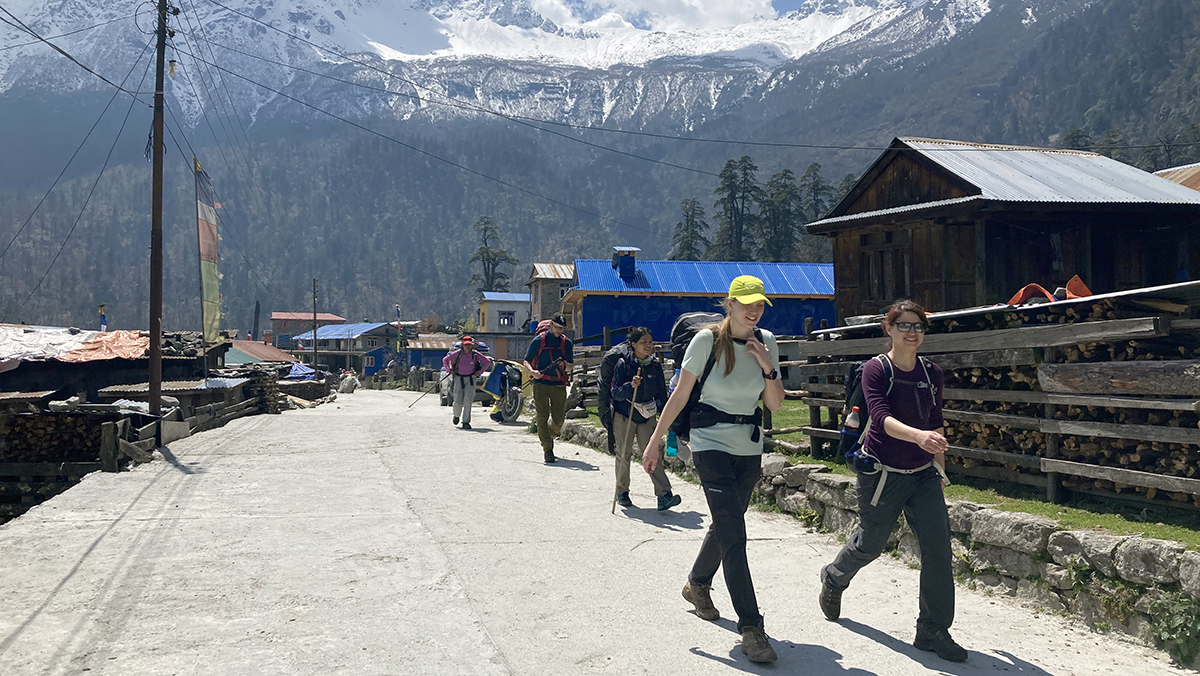
The Annapurna region is globally renowned for trekking tourism, with two peak seasons, Ashwin–Kartik (autumn) and Chaitra–Baishakh (spring). These periods witness the highest number of trekkers, including many on religious tours. In fiscal year 2079/80, the region recorded 172,108 foreign visitors, meaning more than 100,000 additional tourists visited in the following year. Although the monsoon and winter seasons generally see fewer trekkers, internal and international tourist activity remains steady year-round in certain areas.
Travel Preferences
Most Indian tourists visiting destinations like Muktinath prefer to travel via road, while tourists from other countries often choose trekking routes. ACAP only maintains records for foreign tourists entering the conservation area, meaning actual total tourist numbers, including domestic travelers, are significantly higher.
Key Destinations in the Annapurna Circuit
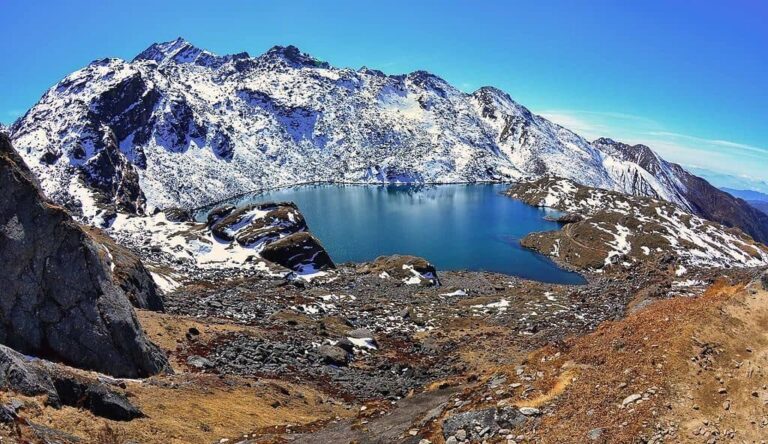
The Annapurna Circuit offers numerous popular trekking and sightseeing spots. These include Annapurna Base Camp, Mardi Himal in Kaski, Sikles, Lawang, Ghandruk village, Tilicho Lake in Manang, Thorong La Pass, Upper Mustang, Muktinath, Ghorepani, and Poon Hill in Myagdi. Each year, hundreds of thousands of internal and foreign tourists visit these destinations, drawn by the area’s rich cultural heritage and breathtaking mountain landscapes.
Geographical Coverage of ACAP
Spanning an area of 7,600 square kilometers, the Annapurna Conservation Area covers 87 wards across 15 local levels in Kaski, Lamjung, Manang, Myagdi, and Mustang districts. This vast expanse includes diverse ecosystems, ethnic communities, and mountain environments, making it Nepal’s largest protected area and a model for community-based conservation and sustainable tourism.