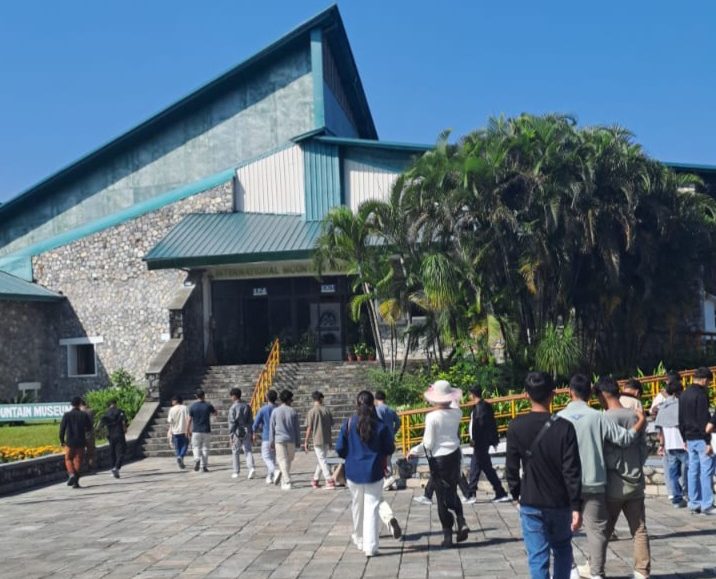
The International Mountain Museum (IMM) in Pokhara has witnessed a significant increase in both domestic and international visitors in recent weeks, marking a positive momentum for Nepal’s tourism sector during the post-Dashain period.
According to Executive Director Nirmala Neupane, tourist flow to the museum has been steadily rising since the full moon day following the Dashain festival. “More than one thousand visitors toured the museum on Thursday alone,” she shared, noting that the trend reflects renewed enthusiasm among travelers exploring Pokhara and its surrounding attractions.

Showcasing Nepal’s Mountain Heritage
Established to highlight the diverse aspects of mountain tourism and Himalayan life, the IMM serves as a unique repository of Nepal’s natural and cultural heritage. The museum offers an in-depth look into the history of mountaineering, ethnic traditions of Himalayan communities, and the geography of the world’s highest peaks.
“The museum was founded with the purpose of introducing visitors to the mountain environment, the lifestyle of people who live there, and the stories behind the world’s greatest mountaineering feats,” Neupane explained. As a result, the museum has evolved into a major attraction in Pokhara, often referred to as Nepal’s tourism capital, appealing to travelers seeking educational and cultural experiences beyond adventure sports and scenic views.
Exhibits Covering the World’s Great Peaks
The museum’s exhibits encompass a vast range of themes, from mountain ecology and geology to human adaptation and cultural diversity in the high Himalayas. Visitors can explore detailed displays about the 14 peaks above 8,000 meters, including Mount Everest (8,848.86 m), Kanchenjunga, and Dhaulagiri, as well as information about 40 peaks ranging from 7,500 to 7,999 meters and 603 peaks between 6,000 and 6,999 meters. In total, 1,913 mountain summits from across the world are represented through scale models, photographs, and digital displays.
Beyond geography, the museum showcases the traditional attire, customs, festivals, and tools of the ethnic groups who inhabit the Himalayan belt, such as the Sherpa, Gurung, Thakali, and Tamang communities. Visitors also get to see artifacts used in early mountaineering expeditions, along with exhibits that celebrate the achievements of pioneering climbers.
A Learning Hub for Students and Researchers
The IIM is not just a tourist destination, it also serves as an educational hub for students, researchers, and environmental enthusiasts. It provides valuable insights into climate change, biodiversity, and the fragile ecosystems of the Himalayas.
“Visitors can learn how people have harmonized with harsh mountain environments for centuries,” said Neupane, adding that the museum encourages responsible tourism and mountain conservation awareness. Educational tours and field visits from schools and universities are common, particularly during the autumn season when academic excursions coincide with peak tourism months.
Affordable Entry Fees for All Visitors
The museum maintains an inclusive pricing policy to make the experience accessible to both local and international visitors.
According to Director Nyaupane, the entry fees are set as follows:
- Students: Rs. 80
- Nepali citizens: Rs. 150
- SAARC nationals: Rs. 350
- Other foreign tourists: Rs. 750
These affordable rates have made the museum a preferred destination for school groups, families, and foreign travelers alike.

A Growing Symbol of Sustainable Tourism
Located in Rato Pairo, Pokhara, the International Mountain Museum was established under the initiative of the Nepal Mountaineering Association (NMA) to preserve and promote the mountain culture of Nepal and the greater Himalayan region. With its rising visitor numbers this season, the museum has once again proven its importance as a sustainable tourism site that combines education, culture, and conservation.
As Pokhara continues to diversify its tourism offerings beyond the iconic Phewa Lake and adventure activities, attractions like the IIM are emerging as vital components of the city’s long-term tourism strategy. “The museum represents not just the glory of our mountains, but also the resilience, courage, and cultural richness of the people who call these home,” Neupane remarked.