As the monsoon system continues to dominate Nepal’s weather pattern, the Meteorological Forecasting Division (MFD) has issued a warning for heavy rainfall at one or two locations in Koshi, Bagmati, Lumbini, and Sudur Pashchim Provinces today. With the entire country under the influence of active monsoon winds, citizens are advised to stay alert, particularly in areas prone to landslides and flash floods.
Persistent Cloud Cover Across the Country
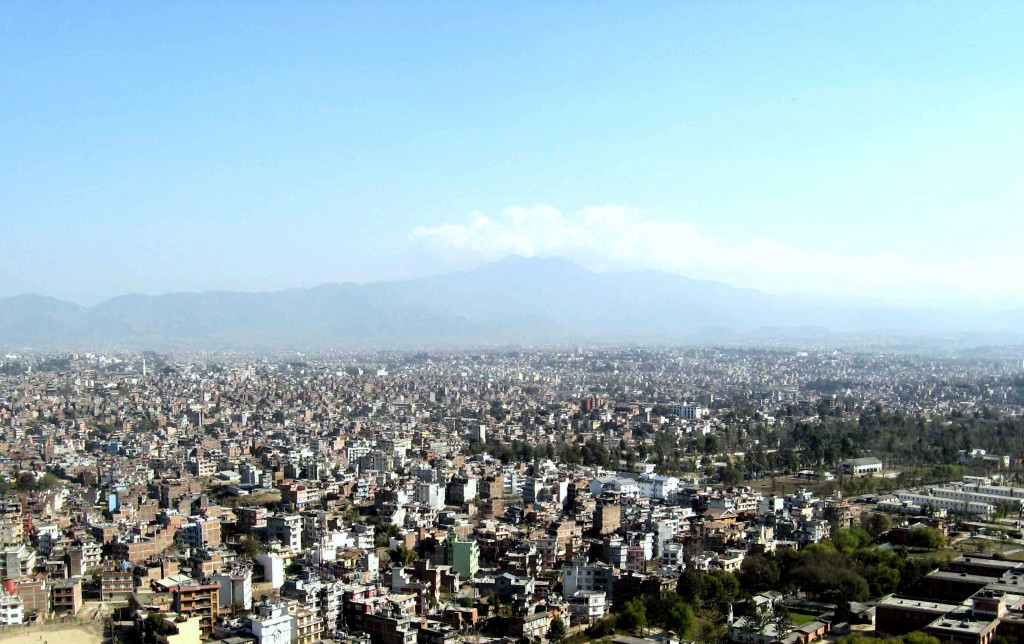
According to the MFD, partly to generally cloudy weather conditions are expected to prevail throughout the country throughout the day and into the night. This cloud formation is characteristic of the active monsoon season, which generally brings moisture-laden winds from the Bay of Bengal toward Nepal, resulting in wide-scale precipitation.
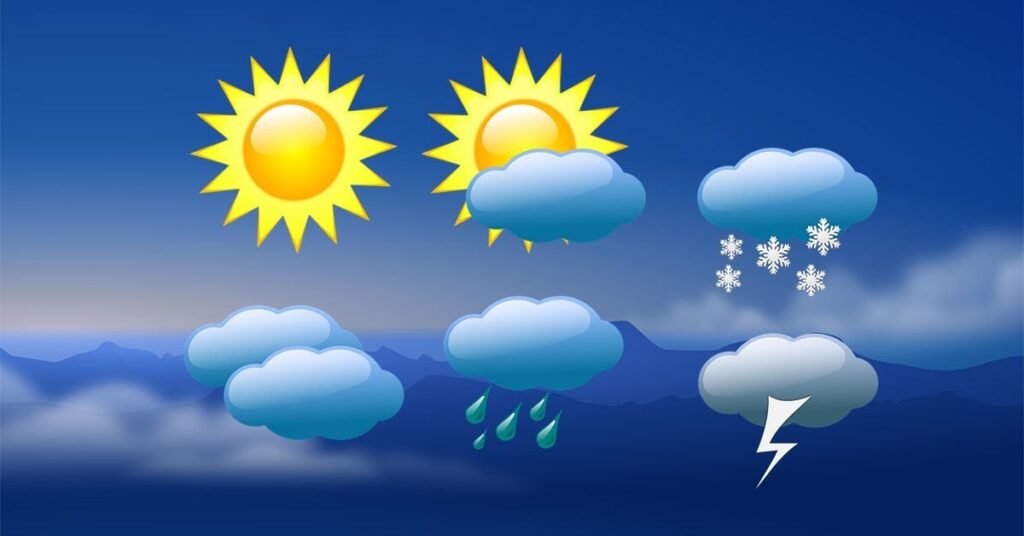
The cloudy conditions are expected to bring light to moderate rain accompanied by thunder and lightning in many areas. Specifically, rainfall is forecasted for several parts of Koshi, Bagmati, Lumbini, and Sudur Pashchim Provinces, while sporadic rainfall is also possible in the rest of the provinces. This weather pattern not only affects daily life but also plays a significant role in agriculture, which relies heavily on timely monsoon rains.

Snowfall Forecast in Mountainous Regions
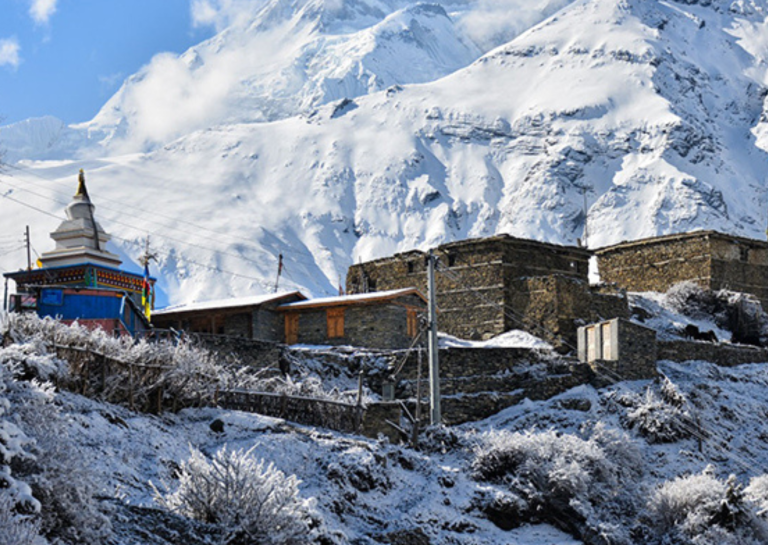
In addition to rainfall, the MFD has also forecasted light to moderate snowfall in one or two locations of the high hilly and mountainous regions. While such snowfall is less common during the monsoon season, it can occur at higher elevations when moisture interacts with colder temperatures. These areas could include parts of Mustang, Manang, Dolpa, and other districts situated in the northern Himalayan belt.
The snowfall is expected to be light and isolated but could affect trekking routes and rural transport systems. Mountain trekkers and locals in these regions are urged to take necessary precautions, especially as visibility may be reduced and trails may become slippery.
Thunderstorms Expected in Evening Hours
As evening approaches, the weather is not expected to improve significantly. Tonight, the cloud cover will continue, keeping most of the country under overcast skies. The MFD predicts light to moderate rain with thunder and lightning in several areas, particularly in the hilly regions of Koshi Province and some parts of the central and western hills. Scattered rain is also expected in other parts of the country.
Thunderstorms accompanied by lightning are typical during the monsoon and pose risks such as lightning strikes, localized flooding, and temporary disruptions in power supply and communication networks. People, especially farmers working in open fields and travelers in remote areas, are advised to stay indoors during thunderstorm activity.
Safety Precautions and Public Advisory
The Meteorological Forecasting Division has urged the public to remain cautious, especially in regions where heavy rainfall warnings are in place. Heavy rain may trigger landslides, floods, and waterlogging, particularly in hilly and low-lying regions. Motorists are advised to drive cautiously as roads may become slick and visibility can be significantly reduced during downpours.
In flood-prone districts such as Jhapa, Morang, Sunsari (Koshi), Chitwan and Makwanpur (Bagmati), Rupandehi and Nawalparasi (Lumbini), and Kanchanpur and Kailali (Sudur Pashchim), local authorities have been alerted to prepare for possible emergency response.
Residents in high-altitude regions where snowfall is forecast are also advised to ensure adequate food and heating supplies and avoid unnecessary travel during bad weather conditions. The Department of Hydrology and Meteorology continues to monitor river water levels, and any potential alerts will be communicated through local disaster management committees.
Agriculture and Infrastructure Implications
The ongoing monsoon activity is both a boon and a challenge for Nepal. On one hand, it replenishes water sources and supports paddy plantation and other agricultural activities, which are vital for the rural economy. On the other hand, too much rain in a short period can result in crop damage, soil erosion, and delayed transportation of goods and services due to blocked roads and washed-out bridges.
In past years, Nepal has witnessed several monsoon-induced disasters, including deadly landslides and flash floods. The government and humanitarian agencies are keeping a close watch on vulnerable zones, ready to mobilize resources if the situation worsens.
Continued Monitoring Recommended
The Meteorological Forecasting Division will continue to issue regular updates based on satellite data, ground observations, and model forecasts. Citizens are encouraged to follow official channels such as Radio Nepal, TV news, and the MFD’s website or mobile apps for real-time updates.
As monsoon remains active for the next few weeks, preparedness and awareness are key to reducing the risk to life and property. The current weather trend underscores the need for resilient infrastructure, better early warning systems, and strong coordination between local and national disaster response teams.