Green Hills, Hidden Plains, and Rising Footfalls
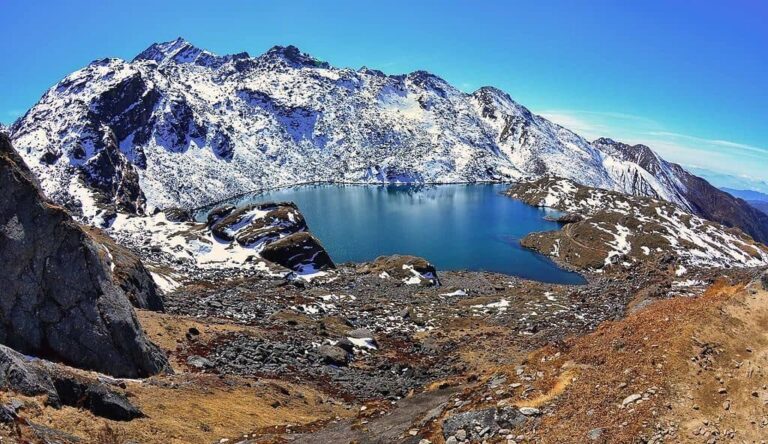
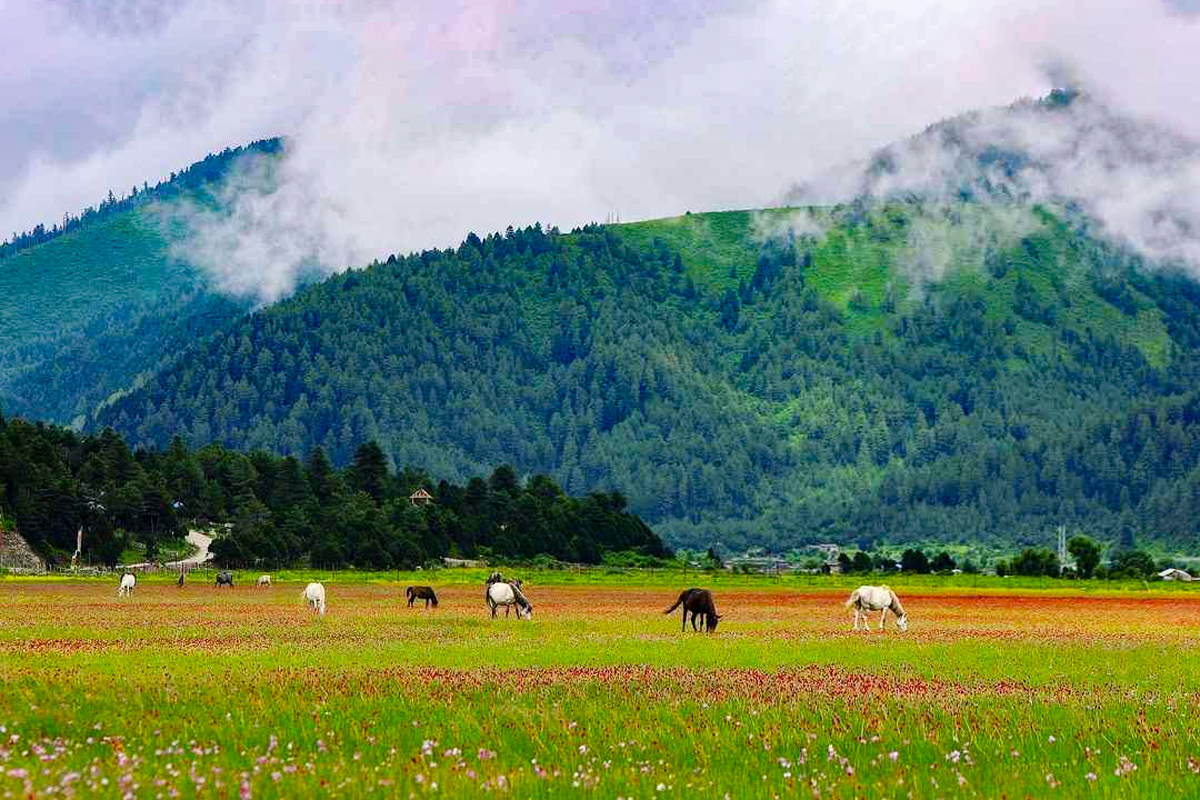
Nestled amid lush green hills and situated in the lap of Nepal’s high Himalayan terrain, Buki Patan in Baglung district is rapidly gaining popularity as a premier trekking destination. At altitudes ranging between 3,000 to 4,500 meters above sea level, Buki Patan is now witnessing a steady rise in footfall from both domestic and international tourists.
Tourists, especially youth groups, can be seen hiking toward the scenic plains almost every day during this season. The once-isolated grazing plain, which until five years ago was primarily a retreat for local herders and livestock, has transformed into a sought-after travel location.
From Grazing Land to Trekking Haven
Locals from Dhorpatan Municipality-9 recall a time when Buki Patan was frequented only by goat herders and cattle raisers. However, the scenario has changed dramatically. With growing visibility through social media and traditional news platforms, travelers have now begun to discover the serene beauty of this high-altitude grassland.
Gun Bahadur Budhamagar, a local from the area, noted that the increase in trekking activities has brought a new wave of enthusiasm. “Earlier, only locals knew about Buki Patan, but now, due to promotion on digital platforms, we see at least 50 trekkers every day during the monsoon,” he shared.
A Journey through Peace and Purity
Trekkers to Buki Patan are rewarded with up-close views of Himalayan ranges, a chance to witness the traditional herder lifestyle, and the refreshing coolness of the highlands—especially appealing during the summer months. The region falls under the buffer zone of Dhorpatan Hunting Reserve, the only hunting reserve in Nepal, which adds a unique aspect to its appeal.
It takes approximately four and a half hours of hiking from the Dhorpatan Valley to reach Buki Patan. The best trekking season is considered to be from Asar (mid-June) to Asoj (early October), a time when the weather is pleasant and the surroundings are lush.
Changing Trends in Youth Travel
Budhamagar remarked on the cultural shift among Nepalese youth: “These days, it’s trendy to explore rural and natural destinations. We see many youngsters with steel walking poles, backpacks, and cameras. They ask us questions about our lives and take pictures, promising to share our stories in media.” The joy of interaction is mutual. Locals find pride in their home gaining recognition, while trekkers cherish the authenticity and warmth they receive from mountain communities.
Hotel Owners and Guides Welcome the Boom
Dhirendra Gharti Magar, a hotel entrepreneur from the Dhorpatan Valley, emphasized that Buki Patan’s popularity is a recent but significant development. “Earlier, trekkers would return after reaching the valley. Now, most make their way up to Buki Patan,” he said. Visitors come from across Nepal, Pokhara, Kathmandu, Butwal, and Chitwan, to enjoy the cool breeze, peace, and panoramic views.
Chitwan resident Rewan Kumar Shakya, one of the recent trekkers, explained his motivation. “It’s too hot in the Terai. We came looking for fresh air and calm. The journey was refreshing, and the scenery was beyond expectations.”
Shakya, along with his four-member group, completed the journey on foot after reaching Dhorpatan by vehicle. He urged local authorities to invest in improving the trekking route and facilities, ensuring sustainability and safety for future travelers.
Government Steps In: Infrastructure Development Begins
Recognizing the potential of Buki Patan as a future trekking hotspot, the Gandaki Provincial Government has allocated NPR 2 million in the current fiscal year for trail improvement and infrastructure development. The initiative aims to establish basic amenities while preserving the natural integrity of the area.
According to Parasingh Thapa, Chief of the Baglung Office of Tourism and Industry, five kilometers of trekking trail from Pakhathar to Garpacheda in Dhorpatan Municipality-9 have already been developed. “We have also constructed wooden bridges at several points along the trail and plan to add more facilities in phases,” Thapa informed.
The Road Ahead: Balancing Tourism and Tradition
As Buki Patan’s charm continues to captivate adventurous souls, the need to manage the growing interest becomes vital. With structured development, promotion of responsible tourism, and continued engagement of local communities, this hidden gem can truly evolve into a model trekking destination in western Nepal.
However, care must be taken not to commercialize the pristine environment to the point of degradation. Locals hope that tourism brings employment, cultural exchange, and development, but without losing the simplicity and purity that make Buki Patan so special.
In the near future, if current trends persist and infrastructure keeps pace, Buki Patan may well become a rival to Nepal’s more established trekking circuits, offering a unique blend of natural grandeur, traditional lifestyles, and spiritual serenity.