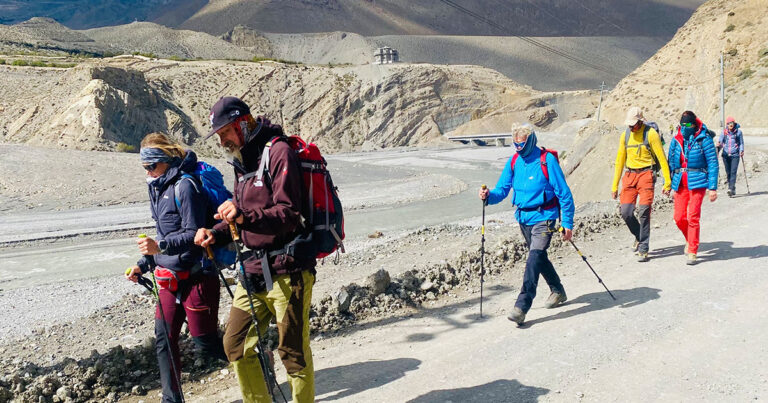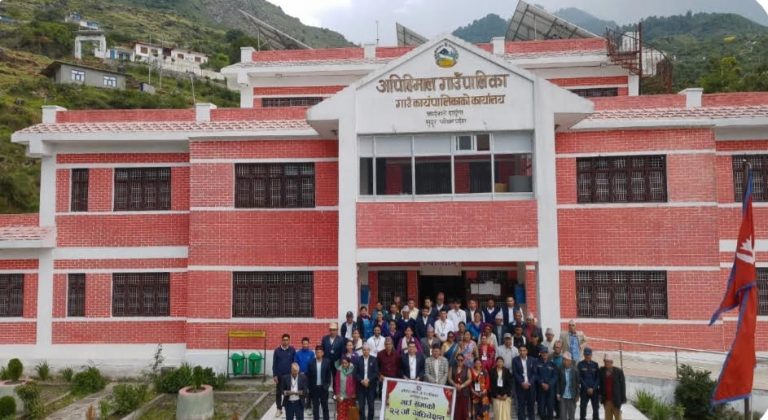
In a significant step towards promoting eco-friendly trekking and responsible tourism, the Manaslu Conservation Area Project (MCAP) has installed 40 dustbins along the northern Gorkha section of the Manaslu trekking trail. This initiative aims to improve waste management, preserve natural beauty, and ensure a cleaner and safer trekking experience for both domestic and international tourists.
Community Participation in Environmental Preservation
According to Santosh Sherchan, Chief of the MCAP office in Gorkha, the placement of dustbins has been carried out with active participation from local communities. The bins have been strategically installed at key points along the trail to encourage trekkers and visitors to properly dispose of waste, thereby minimizing littering in the fragile mountain ecosystem.
Sherchan emphasized that maintaining the trail’s cleanliness is not just about aesthetics but also a vital part of protecting the local environment. “Visitors often discard waste like water bottles and food wrappers along the Larke Pass trail,” he said. “To counter this growing problem, we’ve placed dustbins in various locations, making it easier for tourists to dispose of their waste responsibly.”
Keeping the Trail Clean, Beautiful, and Safe
The initiative was motivated by growing concerns about unmanaged waste along the trekking route, which is one of Nepal’s most scenic and culturally rich trails. Tourists, unaware or indifferent to the consequences, often leave behind plastic wrappers, empty bottles, and other non-biodegradable waste, creating a negative visual and environmental impact.
“With the installation of dustbins, we now hope to see a significant improvement in waste management along the trail,” Sherchan noted. “If locals work together to stop tourists from throwing trash carelessly and promote the habit of using dustbins, maintaining the cleanliness of the route will become much easier.”
Local Consultation and Stakeholder Engagement
Before launching the program, MCAP officials held consultations with various local stakeholders, including mother’s groups and community leaders, to ensure the effectiveness and sustainability of the initiative. These discussions focused on awareness-building, behavior change, and shared responsibilities for keeping the trail clean.
Sherchan added that involving locals in the planning process helped build ownership and enthusiasm for the project. “The success of any conservation effort depends on local support. These dustbins symbolize a collaborative effort to balance tourism with environmental responsibility.”
Dustbins Send a Positive Message to Tourists
Laxmi Gurung, a local resident, praised the initiative, saying the presence of dustbins sends a positive message to tourists about environmental awareness. “The waste problem was gradually worsening along the trail,” she explained. “Now that dustbins are in place, people are more aware that they shouldn’t throw trash anywhere. It has created a visible impact already.”
She believes that the dustbins not only contribute to cleanliness but also reflect the community’s commitment to preserving the beauty of the Manaslu region, which is sacred to both locals and visitors alike.
Awareness and Training Programs for Locals
In addition to installing dustbins, MCAP has conducted orientation programs for locals on effective waste management, including recycling, reusing, and proper disposal techniques. These training sessions are aimed at empowering local communities to take a leadership role in environmental conservation and sustainable tourism.
MCAP is optimistic that with increased awareness and active community participation, the trail can be maintained as a model of responsible trekking tourism in Nepal. Sherchan also mentioned that plans are in place to regularly monitor the condition of the dustbins and ensure timely collection of waste.
Over 12,000 Foreign Tourists Visit Annually
The Manaslu trail is one of Nepal’s most popular trekking routes, drawing over 12,000 foreign tourists each year. Known for its majestic Himalayan views, rich biodiversity, and unique cultural experiences, the trail passes through remote villages and high mountain passes, offering a blend of adventure and heritage.
However, the growing number of trekkers has led to a corresponding increase in waste, making waste management a pressing concern. The new initiative is expected to significantly reduce the amount of trash scattered along the trail and enhance the overall experience for visitors.
A Step Toward Sustainable Tourism
This initiative is a positive step toward promoting sustainable tourism in the Manaslu region. Clean trails not only enhance the natural beauty of the area but also help in protecting wildlife, water sources, and the overall ecosystem.
As Nepal continues to promote trekking and eco-tourism as a vital part of its economy, such efforts underscore the importance of balancing tourism development with environmental responsibility. With continued support from local communities, conservation organizations, and responsible tourists, the Manaslu trekking route can remain a pristine and attractive destination for generations to come.