The Meteorological Forecasting Division has reported that monsoon winds are currently active across the entire country, with the monsoon low-pressure trough positioned at its average level. As a result, various regions, especially the hilly and mountainous areas, are experiencing cloudy conditions, rainfall, and occasional thunderstorms.
According to the Division, the weather system has led to partly to generally cloudy skies throughout Nepal, bringing typical monsoon patterns such as light to moderate rainfall along with thunder and lightning. The impact of the monsoon is particularly visible in Koshi, Bagmati, and Gandaki provinces, where the possibility of heavy rainfall at one or two locations has been highlighted.
Rainfall and Thunderstorm Alerts Issued
As per the latest updates from the Meteorological Forecasting Division, today’s forecast indicates intermittent rain and thunderstorms, especially in the eastern and central hilly belts of the country. Areas in Koshi, Bagmati, and Gandaki provinces are expected to face occasional heavy showers, which could persist throughout the day and extend into the evening.
The Division also issued alerts for the possibility of lightning strikes in these provinces, advising the public to remain indoors during thunderstorm activity. Meteorologists have urged caution for individuals in outdoor or high-altitude areas, particularly farmers, herders, and travelers, to minimize risk.
Tonight’s Weather: Cloudy Skies and Continued Rainfall
Tonight, the weather is expected to remain partly to generally cloudy across the country. Continued light to moderate rain is likely in multiple provinces including Koshi, Madhes, Bagmati, and Gandaki, with the hilly and mountainous regions expected to receive the most impact.
In addition, there remains a potential for heavy rainfall at one or two locations in Koshi, Bagmati, and Gandaki provinces tonight, which could trigger localized disruptions and safety concerns.
The persistent cloud cover and rain patterns are typical of Nepal’s monsoon season, which lasts from June to September. However, this year’s weather patterns are showing signs of concentrated rainfall in shorter timeframes, which increases the chances of extreme weather events.
Flood and Landslide Risks on the Rise
Given the forecast for heavy rains and continued moisture accumulation, the Meteorological Division has strongly advised residents in vulnerable areas to take precautionary measures. There is an increased risk of floods, landslides, and debris flow, particularly in hilly districts with fragile slopes and areas near riverbanks.
Communities residing in low-lying or landslide-prone areas have been requested to stay alert and prepare for possible evacuation. Local governments and disaster management committees have been advised to remain on high alert, mobilize resources, and ensure that early warning systems are functional.
Past experiences have shown that monsoon-triggered landslides and floods can cause significant damage to infrastructure, disrupt transportation, and result in human casualties. Hence, the Division’s advisory plays a critical role in saving lives and minimizing property damage.
Public Safety and Preparedness Urged
In light of the growing threat from monsoon-induced disasters, the Meteorological Forecasting Division has urged the general public to stay updated with the latest weather forecasts through official channels. Citizens are encouraged to avoid unnecessary travel during heavy rain warnings and to refrain from crossing swollen rivers and streams.
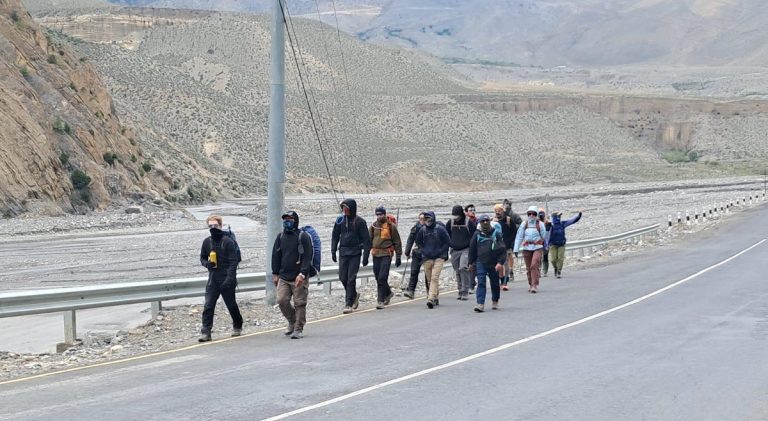
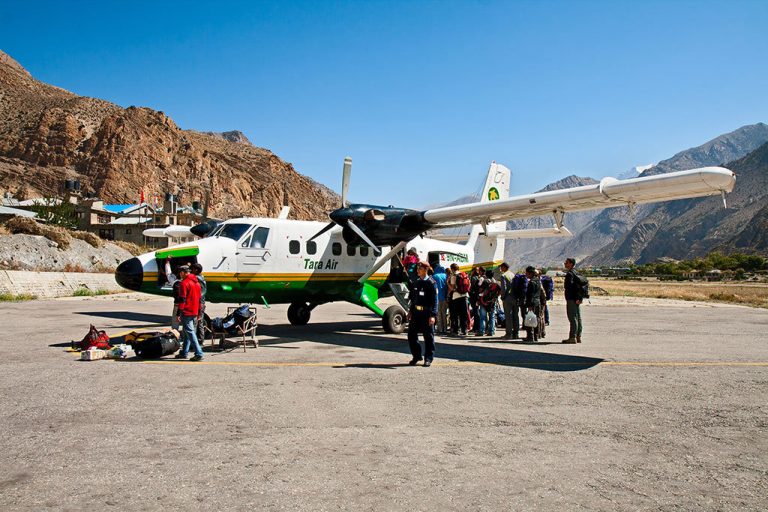
Special attention is being directed toward travelers heading to mountain trekking zones and rural areas, as sudden landslides or road washouts could cut off access routes. Authorities have also recommended checking weather alerts regularly before starting journeys, particularly in high-risk regions.
The National Disaster Risk Reduction and Management Authority (NDRRMA) has also coordinated with provincial and local governments to activate emergency response units and ensure temporary shelters and relief materials are on standby.
Continued Monitoring and Forecasting
The Meteorological Forecasting Division has assured the public that it will continue to monitor the monsoon system closely and provide timely updates. Forecasts will be revised as needed, depending on the movement and intensity of the monsoon trough.
Officials have emphasized that while monsoon rain is crucial for agriculture and water resources, it is equally important to prepare for its potential hazards. With proper planning, community awareness, and timely action, the adverse impacts of monsoon-related disasters can be significantly reduced.
As Nepal moves through the peak monsoon season, collaborative efforts from government agencies, local communities, and media outlets will play a vital role in ensuring public safety, mitigating risk, and maintaining infrastructure resilience.