The monsoon weather system currently prevailing across Nepal remains weak, with only localized rainfall expected in certain regions. According to the Department of Hydrology and Meteorology, the monsoon trough is presently situated around its average position, indicating subdued monsoonal activity throughout the country.
On Sunday afternoon, most parts of the country are expected to witness generally cloudy skies. The weather department has forecast moderate rain accompanied by thunder and lightning in a few hilly areas and isolated locations in the Terai region.
Specifically, Koshi Province, Bagmati Province, Gandaki Province, and Karnali Province may experience heavy rainfall at one or two places in their hilly regions. The department has issued alerts for the possibility of localized heavy downpours in these areas, which could result in temporary disruptions, particularly in mountainous and landslide-prone zones.
In addition, Madhesh Province and Lumbini Province may experience strong surface winds, particularly in their southern plains. These gusty winds may affect daily activities and require precautions, especially in areas where temporary structures or market setups are vulnerable.
As night falls on Sunday, the weather is expected to remain generally cloudy across the country. Moderate rain accompanied by thunder and lightning may occur at a few locations in the hilly areas of Koshi Province, Sudurpaschim Province, and other parts of the country. Isolated places in the Terai may also witness light to moderate rainfall.
The Department of Hydrology and Meteorology has also projected chances of heavy rainfall at one or two places in the hilly areas of Koshi, Bagmati, Gandaki, Karnali, and Sudurpaschim Provinces during the night. Given the possibility of localized intense precipitation, the department has advised local authorities and communities to remain alert for potential flash floods or landslides, especially in vulnerable rural areas.
Implications for Tourism and Outdoor Activities
The ongoing weak monsoon has mixed implications for the tourism sector, which relies heavily on favorable weather for trekking, rafting, and sightseeing. The current conditions, overcast skies with intermittent rain, are manageable for most indoor and cultural tourism activities, particularly in cities like Kathmandu, Pokhara, and Lumbini.
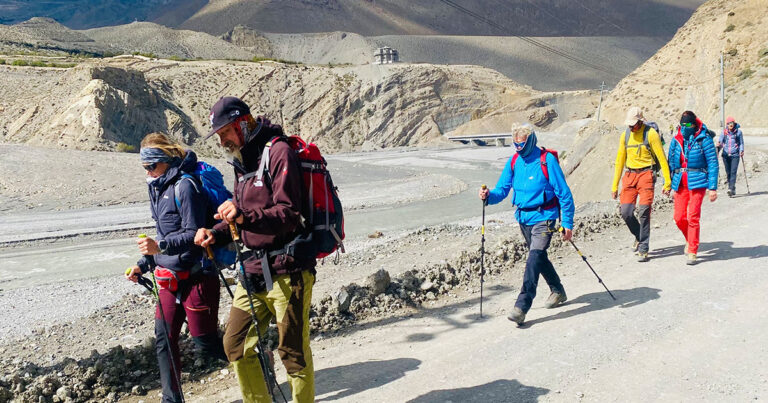
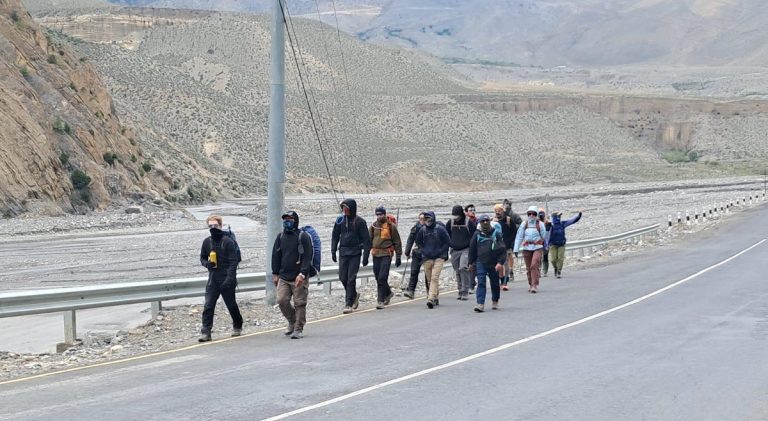
However, trekking routes in the Annapurna, Langtang, and Everest regions could see occasional disruptions due to muddy trails or increased leech activity, a common occurrence during the monsoon season. Tourists and tour operators are advised to check localized weather forecasts regularly and maintain flexible itineraries to accommodate sudden weather changes.
In areas with heavy rainfall forecasts, especially in Gandaki and Karnali Provinces, trekking groups and solo travelers are encouraged to inform local authorities or hire certified guides to ensure safety. The risk of landslides in these mountainous regions remains a seasonal concern.
River-based adventure tourism, including rafting and kayaking, also requires caution. The likelihood of sudden increases in river flow due to localized rainfalls could pose safety risks to unmonitored or commercial river activities, especially in the Trishuli, Bhotekoshi, and Kali Gandaki rivers.
Despite the challenges, the subdued monsoon also brings opportunities. With most days remaining only moderately cloudy, the scenic beauty of Nepal’s lush hills, terraced fields, and rain-washed cities continues to attract visitors who seek a more tranquil and green landscape. Monsoon tourism, centered on cultural immersion, spiritual retreats, and eco-lodges, is gaining popularity, particularly among domestic and South Asian travelers.
Agricultural Impact and Public Awareness
From an agricultural standpoint, the weak monsoon poses both benefits and risks. While heavy, continuous rainfall can damage crops, a consistent but moderate monsoon supports the sowing and growth of paddy and other seasonal crops. However, the variability in rainfall, heavy in some parts and minimal in others, means that farmers in rain-fed regions need timely information to adapt their planting strategies.
As the monsoon progresses through the coming weeks, authorities are expected to remain vigilant. The Meteorological Forecasting Division is continuously monitoring satellite imagery, weather stations, and cross-border weather systems from India to refine their predictions and provide timely alerts.
Nepal is currently experiencing a weakened monsoon phase, with localized moderate to heavy rainfall expected in various provinces, especially in hilly and mountainous regions. While this brings short-term challenges to outdoor tourism and rural infrastructure, it also offers opportunities for monsoon-friendly tourism experiences.
Tourism operators, farmers, and local administrations are advised to stay updated with the latest bulletins from the Department of Hydrology and Meteorology to ensure safety and preparedness. The next few days will be crucial in determining whether the monsoon strengthens or continues its current weak trend across the country.