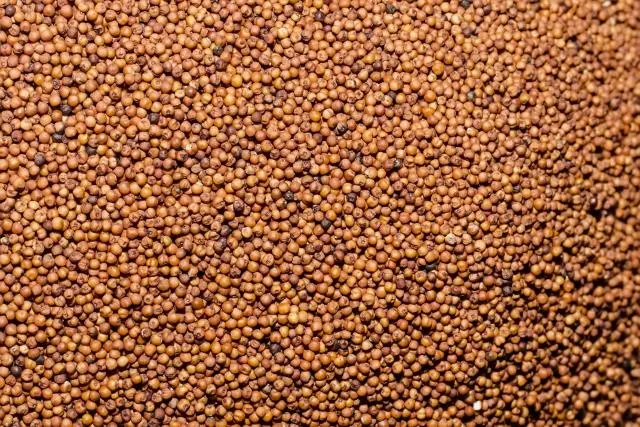
In a bid to promote the production and popularization of traditional millet-based dishes, a special event will be held at the central canteen of Singha Durbar, Kathmandu. The event will showcase 10 unique and traditional dishes made from kodo (finger millet), an indigenous grain with deep roots in Nepalese culinary history.
Fifth Edition of “Bhojan Lipi Swad” to Spotlight Millet
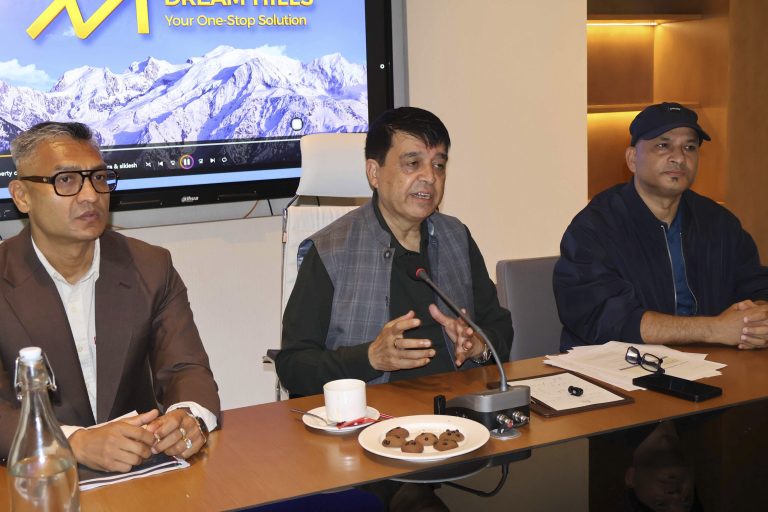
As part of the fifth edition of the Bhojan Lipi Swad campaign, an initiative launched to promote Nepal’s native food culture, organizers have chosen millet (kodo) as the central theme for this installment. The announcement was made during a press conference held on Sunday, where organizers revealed plans to present ten diverse millet recipes at the event.
The event is scheduled to coincide with the recently designated National Millet Day, observed on Bhadra 16 (August 31). This is the first year the government has officially marked this day to recognize the importance of kodo in Nepal’s agriculture, food security, and cultural identity.
A Culinary Tribute to Millet on National Millet Day
Coordinator of the event, Devi Prasad Sapkota, explained that the campaign aims to revitalize and modernize Nepal’s traditional millet cuisine by giving it a national and institutional platform. He emphasized that promoting such local crops is essential not only to preserve cultural heritage but also to encourage healthier dietary practices in modern Nepalese society.
“The goal is not just to celebrate one day,” Sapkota said, “but to initiate a broader movement that encourages millet production, innovation in kodo-based recipes, and wider consumption.” With the declaration of National Millet Day by the Government of Nepal, the timing of the event is seen as strategic and symbolic, aiming to boost both awareness and pride in local grains that are often overshadowed by imported alternatives.
Culinary Experts Join Hands to Uplift Millet Cuisine
Renowned culinary figures have thrown their support behind the initiative. Veteran chef Govinda Narasingh KC lauded the concept and expressed confidence that the event will serve as a significant milestone in the commercial promotion of millet-based dishes.
“Events like these not only uplift the value of kodo among urban consumers but also contribute to enhancing the livelihoods of farmers who grow it,” KC said. He added that kodo, once seen as a poor man’s grain, is now being re-evaluated globally for its health benefits, including being gluten-free and rich in essential nutrients.
Internationally acclaimed chefs Ghanashyam Kandel and Durga Khadka will also be part of the event, leading the culinary demonstration and presentation of the kodo-based dishes. Both chefs are key contributors to the Bhojan Lipi Swad series and have expressed their commitment to expanding the campaign to 100 editions.
According to them, future editions will continue to spotlight traditional foods from across Nepal’s diverse communities, with the aim of creating a comprehensive archive and experience of indigenous cuisine.
Millet: A Grain with a Future
Millet (kodo) has been cultivated in Nepal for centuries, especially in hilly regions where other grains struggle to grow. It is known for its resilience, requiring less water and chemical inputs compared to rice or wheat, making it a climate-smart crop well-suited for sustainable agriculture in Nepal.
Despite its ecological and nutritional advantages, kodo has faced a decline in popularity, particularly in urban diets. However, recent trends in health-conscious eating and food sovereignty movements are giving kodo a new lease on life.
Organizers of the Bhojan Lipi Swad campaign hope that by putting millet dishes in the spotlight, especially in a prestigious location like Singha Durbar, Nepal’s administrative heart, they can spark a broader revival of local food traditions and enhance the prestige of indigenous grains.
The Road Ahead
The ten kodo dishes to be presented at the event have not yet been officially disclosed, but the organizers have hinted at a mix of both traditional and modern takes, ranging from steamed dumplings to millet-based porridges, desserts, and snacks.
The event also intends to inspire government officials and employees to incorporate more local foods into institutional menus, thereby creating a ripple effect in both policy and consumption patterns.
As the Bhojan Lipi Swad campaign moves toward its goal of 100 editions, its momentum is growing, bringing chefs, farmers, policymakers, and the general public together in a shared mission: to rediscover, celebrate, and elevate the culinary treasures of Nepal. With kodo taking center stage this National Millet Day, it is not just a celebration of a grain, but of an identity, a culture, and a sustainable future rooted in Nepal’s soil.