As thousands of pilgrims make their annual journey to the sacred alpine lake of Gosainkunda in Rasuwa district for the Janai Purnima festival, a specialized team of medical professionals has been deployed to provide essential health services to devotees.
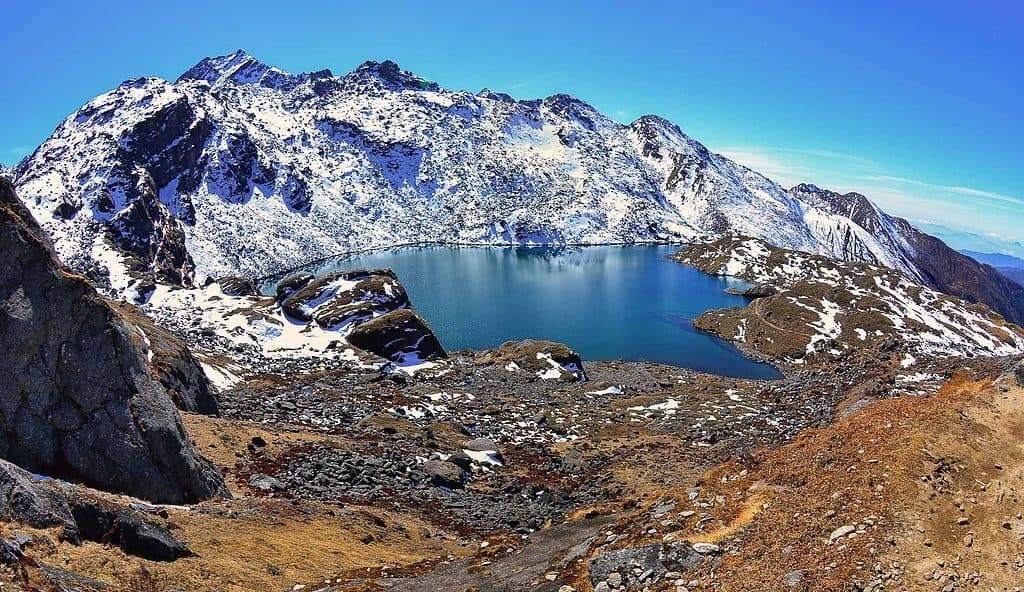
Located in the northern part of Rasuwa, Gosainkunda is one of Nepal’s most revered pilgrimage sites. Each year during Janai Purnima, a Hindu festival that falls on the full moon day of the month of Shrawan (or Bhadra Shukla Purnima in the lunar calendar), devotees from across Nepal and abroad travel through rugged mountain trails to take a holy dip in the icy waters of the lake, which is believed to have been created by Lord Shiva himself.
Specialist Medical Team Dispatched
To address the potential health challenges faced by pilgrims undertaking the high-altitude trek to Gosainkunda, a six-member medical team including specialist doctors and paramedics has been sent to the site. The mission is organized under the leadership of Dr. Padam Joshi, with support from the Mountain Medicine Society of Nepal (MMSN), a renowned organization that focuses on high-altitude and mountain healthcare.
The team includes Dr. Anil Kumar Shah, Dr. Prince Singh, Dr. Sujan Paudel, Dr. Samir Basnet, and paramedic Angdawa Sherpa. These professionals have significant experience in providing medical care in high-altitude conditions, where risks such as Acute Mountain Sickness (AMS), dehydration, cold-related illnesses, and fatigue are prevalent.
Weeklong Health Camp with Free Services
The team will be stationed at Gosainkunda for one week, providing free medical services and medicine distribution to all pilgrims. Their presence is especially important during the peak days of the festival, from Ekadashi (the 11th lunar day) until Purnima (the full moon), when the number of visitors reaches its highest.
In addition to setting up a base camp at Gosainkunda, the medical team will also offer mobile health services along the trail, attending to pilgrims on their way up and down the mountainous route. The goal is to ensure that any immediate medical needs are addressed, especially in cases where pilgrims may face exhaustion, altitude-related issues, or injuries sustained on the difficult trail.
“We aim to not just treat but also educate pilgrims about the risks of high-altitude travel and provide them with preventive measures,” said Dr. Joshi. “Many people do not realize the strain that such pilgrimages can place on their bodies, especially those with underlying health conditions.”
Thousands of Pilgrims Expected
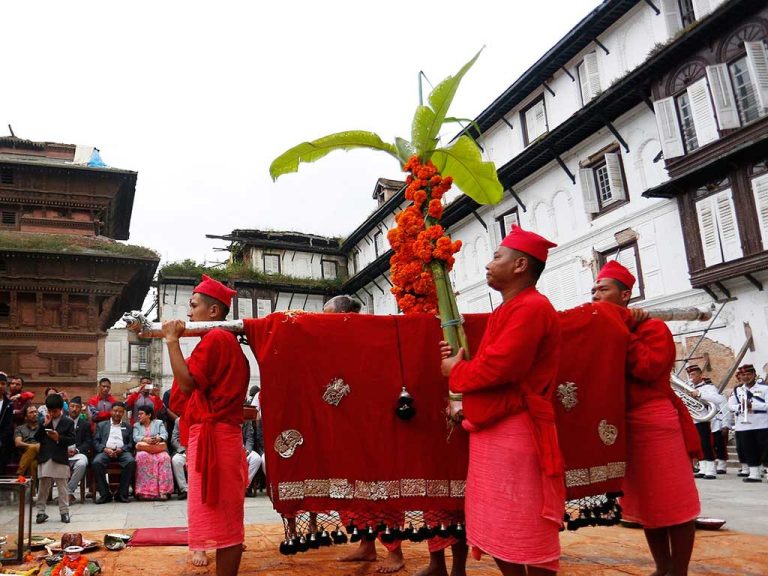
The Janai Purnima Mela at Gosainkunda attracts thousands of pilgrims annually, many of whom travel from far corners of Nepal, as well as from India and other neighboring countries. For devout Hindus, taking a dip in the holy waters during this auspicious time is believed to wash away sins and bring spiritual purification.
The festival, which runs from Ekadashi to Purnima, sees a vibrant convergence of religious fervor, cultural expression, and spiritual discipline. Pilgrims often walk for days, traversing narrow mountain paths and braving unpredictable weather to reach the sacred lake situated at an altitude of approximately 4,380 meters (14,370 feet) above sea level.
Alongside Janai Purnima, Ganga Dashahara is another significant occasion when a large-scale fair is organized at Gosainkunda. These biannual events highlight the cultural and spiritual importance of the site and require coordinated efforts for safety, sanitation, and health.
High-Altitude Health Risks and Precautions
Traveling to such high elevations brings inherent medical risks, particularly for those unaccustomed to alpine environments. Symptoms of Acute Mountain Sickness (AMS) include headache, nausea, dizziness, and fatigue. In severe cases, AMS can lead to life-threatening conditions such as High-Altitude Pulmonary Edema (HAPE) or High-Altitude Cerebral Edema (HACE).
The presence of a medical team equipped with oxygen, medication, and emergency response tools significantly enhances the safety of pilgrims. The Mountain Medicine Society has long advocated for health preparedness in Himalayan pilgrimages, and their ongoing involvement in events like Janai Purnima reflects this commitment.
“Every year, we see cases where early medical intervention has prevented serious complications. Our team is here to make sure no life is lost due to preventable causes,” noted Dr. Sujan Paudel, one of the team members.
Community and Government Support
Local authorities in Rasuwa, as well as Nepal Police and Armed Police Force, are assisting with crowd control, emergency response, and logistical support for the health camp. Additionally, volunteers from local youth groups and trekking associations are helping to manage the flow of pilgrims and inform them about available health services.
The success of such coordinated efforts also depends on public awareness, and many believe that educational campaigns about high-altitude safety should be a part of pilgrimage planning.