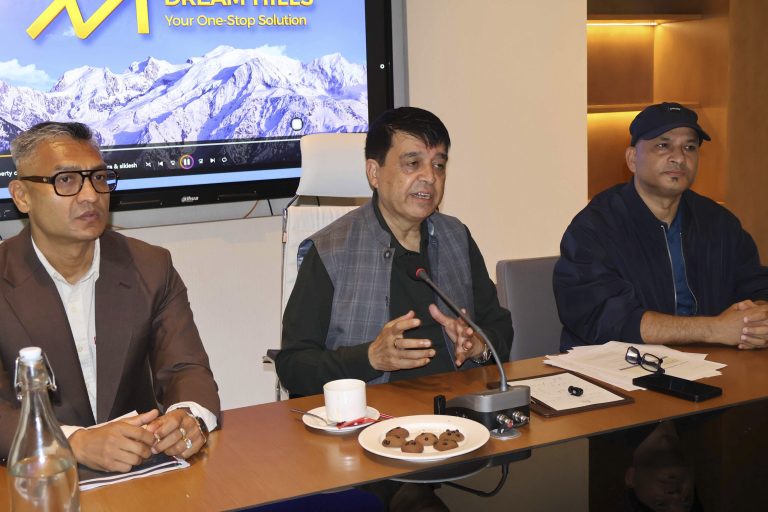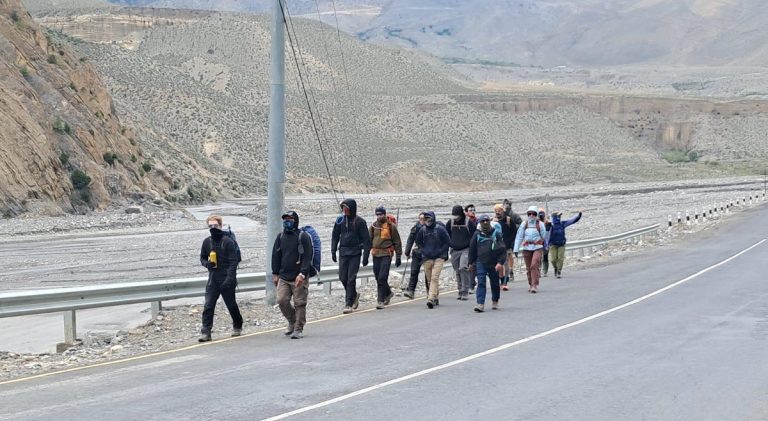
The Hotel Association Nepal (HAN) Gandaki has issued a strong appeal to discourage the increasingly popular but risky practice of transporting tourists from low-altitude plains to high-altitude Himalayan destinations within a single day. In a public statement released today, HAN Gandaki President Hari Prasad Sharma Gairhe highlighted the serious health risks such as acute mountain sickness (AMS) that can arise from such abrupt ascents and called for coordinated action from tourism stakeholders and government authorities.
Risk of Altitude Sickness from Rapid Ascents
The statement underlines that tourists arriving from Nepal’s southern plains, situated just about 100 meters above sea level, are often being transported to destinations like Muktinath (3,710 meters) via Pokhara (800 meters) all in a single day. This extreme change in elevation, particularly without proper acclimatization, significantly increases the likelihood of health complications such as altitude sickness, which can be fatal in some cases.
he HAN Gandaki has urged travel agencies, tour operators, private vehicle operators, and even individual travelers to avoid this harmful trend. “We advise travelers not to engage in such rapid and dangerous ascents, whether in groups or solo with private vehicles,” said Gairhe in the statement. “We also request the government to step in and introduce necessary regulations to curb such practices.”
Appeal for Structured and Health-Conscious Travel
In their appeal, HAN Gandaki emphasized that tourism in Nepal should not only focus on speed and destination, but also on the well-being of travelers and the sustainability of the tourism ecosystem. The association argued that encouraging longer stays in destinations like Pokhara would provide tourists time to acclimatize, thereby improving safety while also supporting the local economy.
“Reducing such high-risk travel behavior will not only safeguard the lives of our guests but will also help extend the duration of tourist stays in Pokhara, Nepal’s tourism capital, ultimately benefiting local businesses and the hospitality sector,” the statement read.
Caution Over Negative International Perception
The association also warned that failing to address this issue may send a negative message to the international community about the safety of Nepal as a travel destination. This could jeopardize Nepal’s image, especially as the country tries to recover and rebuild its tourism sector post-COVID-19.
“Tourists falling ill or dying from altitude sickness shortly after arriving reflects poorly on our management and care for visitors. It’s not just a health issue but a matter of international reputation,” the association cautioned.
Statistics Paint a Grim Picture
Data presented in the HAN Gandaki statement paints a stark picture. According to the Annapurna Conservation Area Project (ACAP), 18 tourists died from altitude-related illnesses in the region last fiscal year alone. Among them were:
- 6 Nepalis
- 8 Indians
- 1 American
- 1 German
- 1 South Korean
- 1 Swiss national
Similarly, statistics from the Mustang District Police Office revealed that in the year 2081 B.S., the district saw the deaths of 11 tourists due to altitude sickness, including:
- 8 Indians
- 2 Nepalis
- 1 American
These figures reflect a disproportionate impact on Indian tourists, many of whom are religious travelers visiting Muktinath Temple, a sacred pilgrimage site for Hindus and Buddhists.
Helicopter Evacuation from Everest
The recent case where an Australian tourist was flown by helicopter from Kathmandu directly to the Everest region. The traveler had to be emergency-evacuated back to Kathmandu shortly after arrival due to severe altitude sickness. This highlights how even high-end travelers using private chartered services are not immune to the health risks of rapid elevation gain.
Government Action Needed
In light of the growing dangers, HAN Gandaki has appealed to the Nepal Tourism Board, the Ministry of Culture, Tourism and Civil Aviation, and relevant local governments to create and enforce guidelines for altitude-sensitive travel. These could include:
- Minimum acclimatization periods
- Restrictions on same-day travel from lowlands to high-altitude zones
- Tourist education materials on altitude sickness
- Mandatory health briefings by travel operators
As Nepal positions itself as a premier destination for spiritual and adventure tourism, balancing accessibility with responsibility is critical. HAN Gandaki’s appeal serves as a timely reminder that sustainable tourism must prioritize health, safety, and thoughtful travel planning—not just convenience or profit. If Nepal’s tourism stakeholders heed this call and implement gradual ascent protocols, the country can both protect its visitors and enhance its long-term reputation as a safe, welcoming, and responsible travel destination.