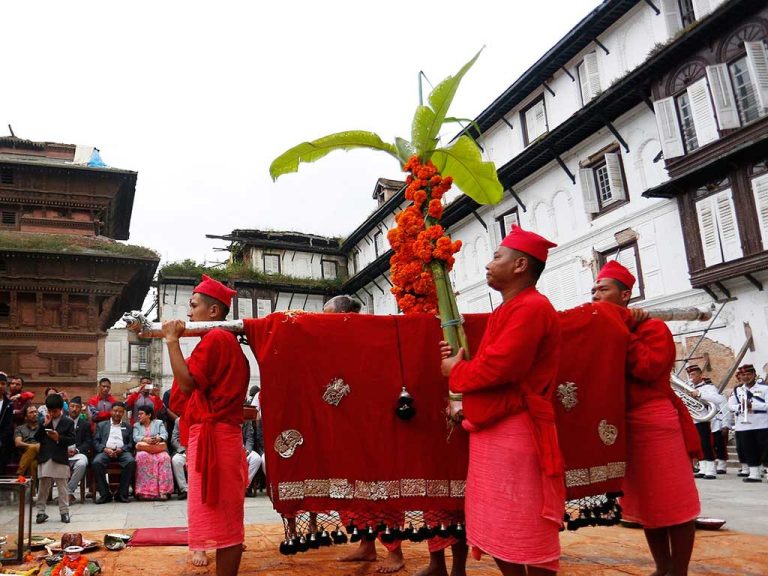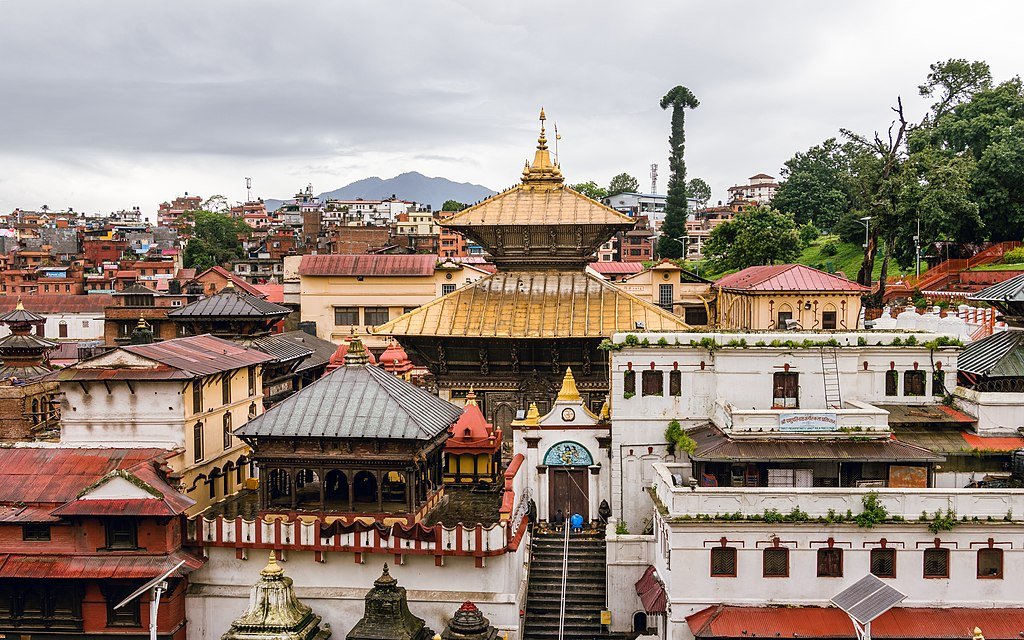
On the auspicious occasion of Shrawan Shukla Chaturdashi, the revered Lord Pashupatinath was adorned with a new Janai (sacred thread) today in a traditional ceremony known as Pavitra Arohan. This deeply spiritual event, organized annually under the supervision of the Aamalkot Kachahari within the Pashupati Area Development Trust (PADT), holds immense religious and cultural significance in the Hindu calendar.
Pavitra Arohan refers to the ritual of changing the sacred thread (Yagyopavit) of Lord Pashupatinath. As per Sanatan Dharma tradition, the Janai is a sacred symbol of purity, spiritual initiation, and commitment to religious duties. For Lord Pashupatinath, the symbolic changing of the Janai precedes that of the general public, taking place a day before Janai Purnima, a festival when Hindu men across Nepal and India change their own Janai and observe Raksha Bandhan.
A Tradition Rooted in Centuries-Old Rituals
According to Ram Krishna Dangol, the official spokesperson and Dware (priestly representative) of the Aamalkot Kachahari, Pavitra Arohan is one of the most sacred and oldest rituals observed at the Pashupatinath temple. “This ceremony has been conducted annually under strict Vedic guidelines, and we ensure every detail of the ritual is honored,” he shared.
The Aamalkot Kachahari plays a crucial role in conducting not only the Pavitra Arohan but also managing all festivals, religious processions (jatra), and ceremonial events held within the Pashupatinath area throughout the year. These include major Hindu festivals like Shivaratri, Teej, Balachaturdashi, and others associated with the temple.
The changing of the Janai for Lord Pashupatinath is considered not just a religious custom but a cosmic event in the Hindu belief system, symbolizing spiritual renewal and divine preparation for the upcoming sacred months.
Spiritual Symbolism: Journey to Gosainkunda
Elderly locals and long-time devotees of Pashupati recount a fascinating belief associated with Pavitra Arohan: once the Lord is offered a new Janai, He is believed to set off for Gosainkunda, a holy alpine lake in Rasuwa district, sacred to both Hindus and Buddhists.
According to this spiritual folklore, Lord Pashupatinath leads the procession of deities and sages to Gosainkunda, purifying the pilgrimage trail and bestowing blessings upon devotees en route. This belief further enhances the sanctity of both Pashupatinath and Gosainkunda, which see a surge of devotees during this time.
Though common devotees observe Janai Purnima and Raksha Bandhan on the full moon day of Shrawan (this year falling tomorrow), Lord Pashupatinath is ceremoniously offered a new Janai one day earlier. This marks the start of the spiritual tide that flows into Purnima celebrations across the country.
Devotees and Ritual Observance
Even though the ritual is performed by a select group of priests inside the sanctum of the temple, it draws the attention of hundreds of devotees, scholars, and observers who gather around the temple premises to feel spiritually connected with the ancient rite.
Due to the exclusivity of the inner sanctum, the actual changing of the Janai is not visible to the public, yet the sacred vibration and devotional chants echo through the temple courtyards. Devotees light lamps, chant mantras, and offer prayers in front of the main temple and along the Bagmati river.
The spiritual atmosphere is heightened by the rhythmic ringing of bells, the sound of conches, and the fragrance of incense and flowers, making it a divine experience for the devotees who come to witness the sacred energy of the day.
Preserving a Living Heritage
Pavitra Arohan is more than a religious ritual, it is a reminder of Nepal’s vibrant cultural identity, where ancient traditions continue to be practiced with devotion in the modern world. The Pashupatinath temple, a UNESCO World Heritage Site, stands as a symbol of this continuity, where rituals like these are preserved and passed down through generations.
Efforts by the Pashupati Area Development Trust and traditional priestly institutions like Aamalkot Kachahari ensure that such timeless rituals remain intact and are observed with authenticity. These efforts also serve to educate younger generations about the depth and meaning behind cultural practices.