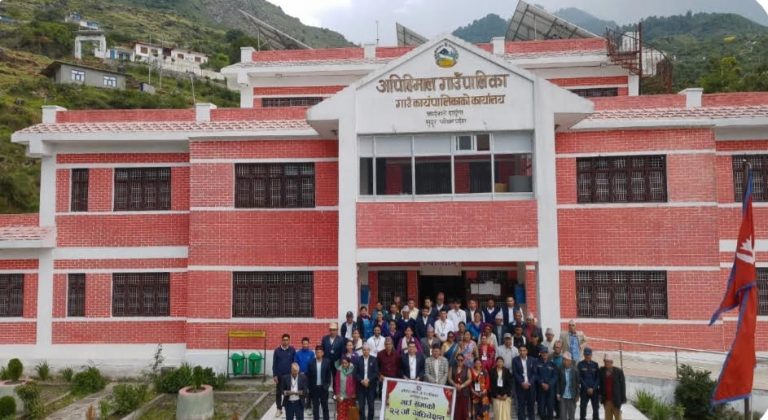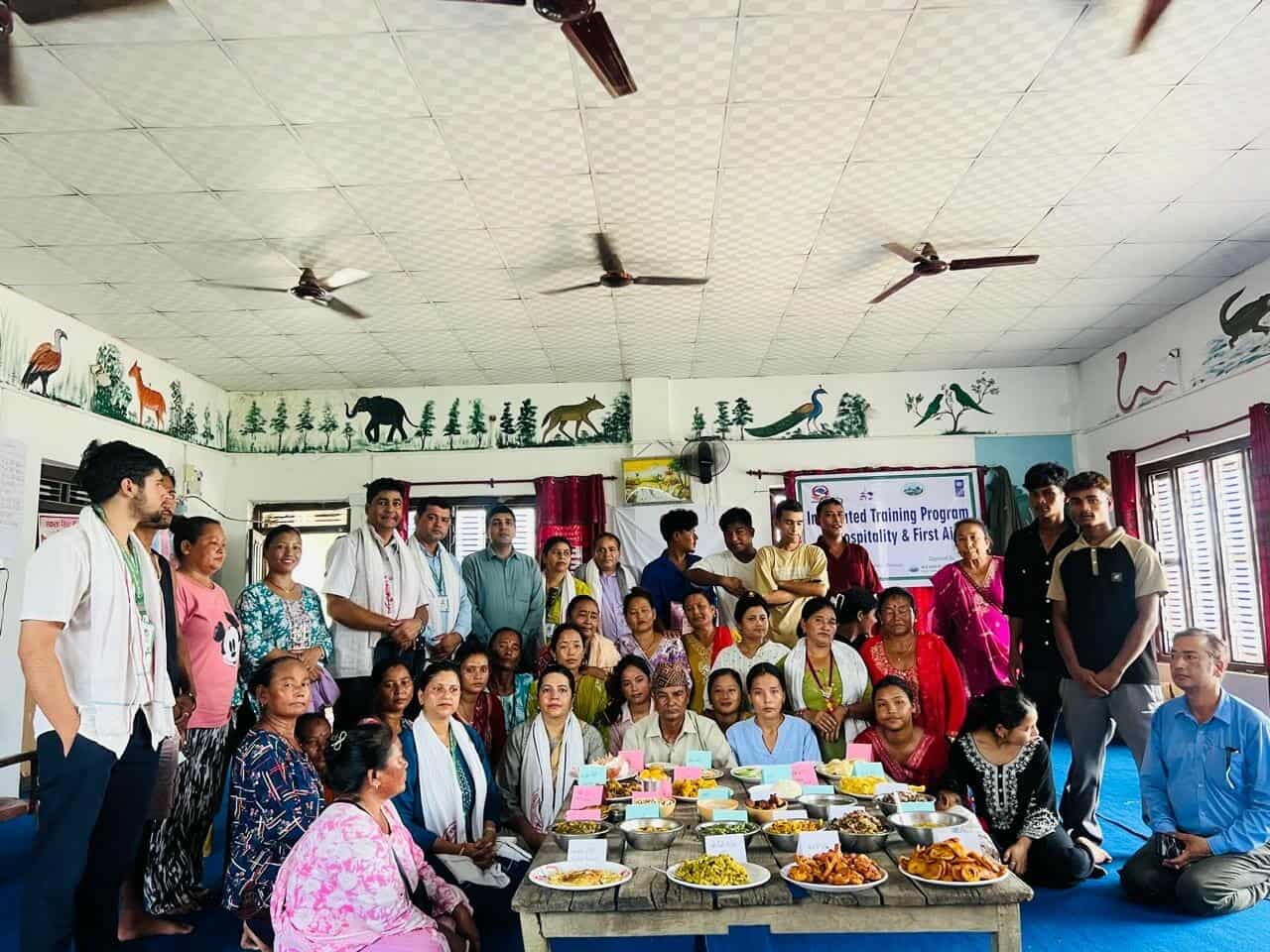
A three-day “Integrated Training on Hospitality and First Aid” has been successfully conducted in Thori Rural Municipality of Parsa district, with the aim of promoting rural tourism and empowering local communities. The training was jointly supported by the Nepal Tourism Board (NTB) and the United Nations Development Programme (UNDP) under the Sustainable Tourism Project (STP), and organized by the Village Tourism Promotion Forum Nepal (VITOF-Nepal).
The program sought to equip local residents with essential skills in hospitality and basic medical response, both critical components for enhancing the rural tourism experience. The training combined both theoretical knowledge and practical exercises, ensuring participants could immediately apply their learning in real-life scenarios.
Strong Local Participation
A total of 39 participants, including 12 men and 27 women, took part in the training. The group represented a cross-section of Thori’s community, where women play a significant role in household management and emerging homestay services.

The training was facilitated by a team of three expert trainers, including a medical professional who focused on first aid and health-related practices. The structure of the program emphasized interactive learning, where participants not only listened to lectures but also engaged in role-play, case studies, and field demonstrations.
This participatory model ensured that villagers could gain confidence in their ability to host visitors while also preparing for potential emergencies that might arise in rural tourism settings.
Thori’s Untapped Tourism Potential
Thori Rural Municipality is widely recognized as a region with immense tourism potential. Nestled in the greenery at the edge of Chitwan National Park and Parsa National Park, the area is naturally endowed with biodiversity, forests, and unique cultural heritage. Despite its natural beauty, Thori has remained relatively unexplored compared to other destinations in Nepal.
The region is now positioning itself to capitalize on its scenic charm by promoting homestay programs. These homestays will serve as vital tourism infrastructure, offering travelers authentic experiences rooted in local lifestyle, culture, and traditions. By involving communities directly, Thori seeks to establish itself as a model for sustainable and inclusive rural tourism in Nepal.
Support from Nepal Tourism Board
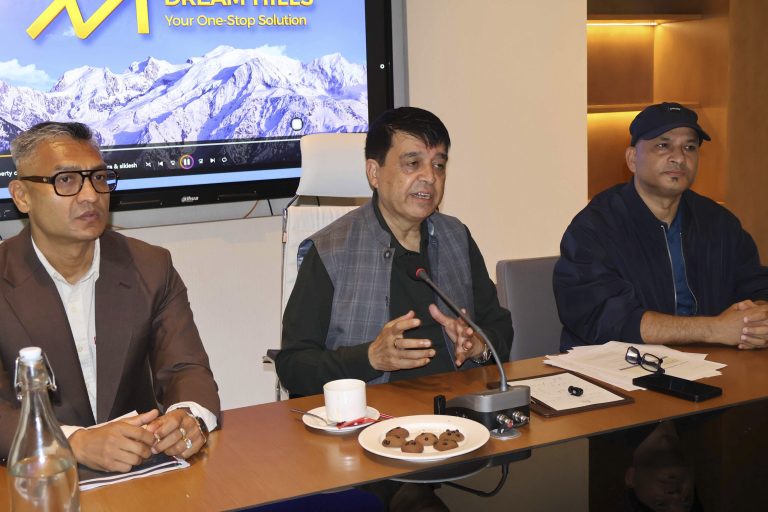
Speaking at the event, Deepak Raj Joshi, Chief Executive Officer of the Nepal Tourism Board, highlighted the transformative potential of such initiatives. “Programs that enhance tourism-related skills at the local level directly support job creation within communities,” Joshi said. “Expanding the culture of homestays in areas with strong potential, such as Thori, will form the backbone of Nepal’s rural tourism development.”
He further noted that grassroots-level capacity-building initiatives instill confidence among locals, improve service standards, and inspire entrepreneurship. According to Joshi, Thori’s rich natural and cultural resources, coupled with the community’s growing interest in tourism, can help it emerge as one of Nepal’s upcoming tourist destinations.
Training Focus: Hospitality and First Aid
The training covered two main aspects essential for rural tourism development: hospitality and first aid.
- Hospitality Training:
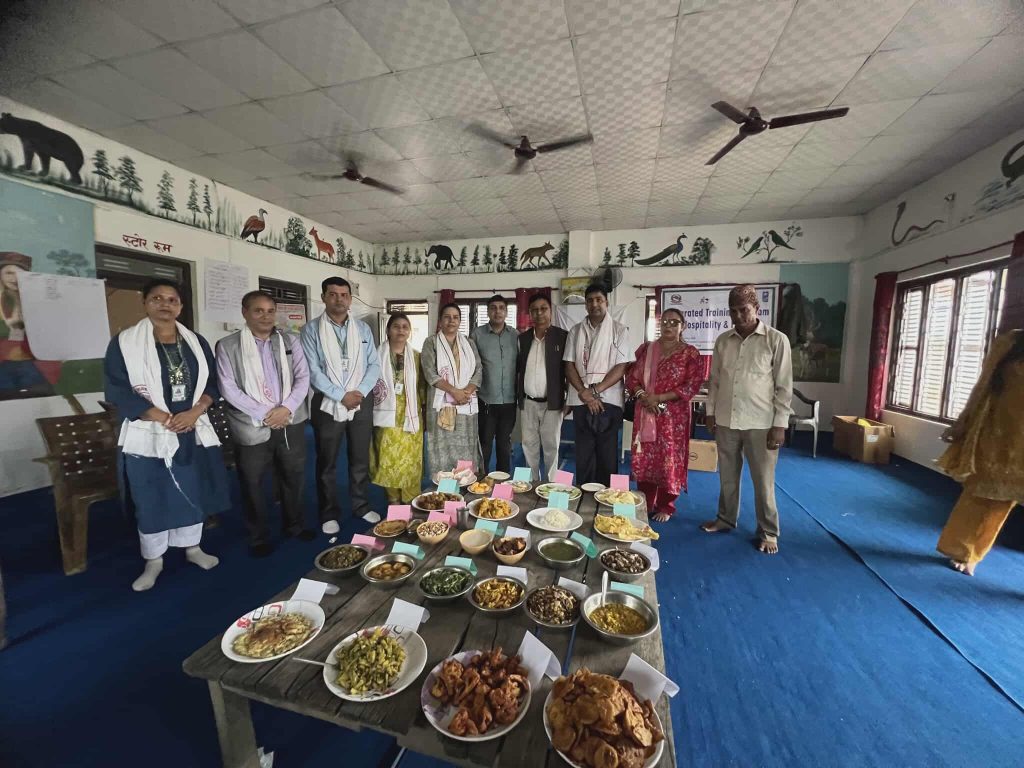
Participants learned about the principles of guest care, hygiene, cleanliness, food preparation, cultural presentation, and communication skills. Emphasis was placed on creating a welcoming environment for visitors, ensuring comfort while showcasing authentic rural traditions. - First Aid Training:
Since rural areas often lack immediate access to healthcare facilities, equipping locals with first aid knowledge was a priority. The medical trainer provided practical demonstrations on how to handle common injuries, altitude sickness, dehydration, and minor illnesses. This knowledge will not only help tourists but also benefit the community at large.
The integration of both elements ensures that homestay operators can deliver quality experiences while safeguarding the health and safety of their guests.
Empowering Women Through Tourism
The participation of 27 women in the training reflects the increasing role of women in Nepal’s rural tourism sector. Traditionally engaged in household responsibilities, women in Thori are now taking active leadership roles in homestay operations, hospitality services, and small-scale entrepreneurship.
By focusing on women’s involvement, the program aligns with the broader goals of gender inclusion and community-driven development. Empowered with new skills, women are expected to become key drivers in promoting Thori as a tourist-friendly destination while also improving their household income.
Towards Sustainable and Inclusive Development
The training program is part of a larger framework designed to foster sustainable tourism practices in Nepal’s rural areas. By promoting community-based tourism, the initiative ensures that benefits are distributed equitably among local households while preserving cultural and natural resources.
The partnership between NTB, UNDP, and VITOF-Nepal demonstrates a shared commitment to creating resilient tourism models that can withstand external challenges, such as economic fluctuations and climate impacts.
Looking Ahead: Thori as a Rising Destination
The successful completion of the training has raised hopes that Thori can soon establish itself as a prominent stop on Nepal’s rural tourism map. With homestays being promoted as a central tourism product, travelers will have opportunities to immerse themselves in local culture, enjoy organic cuisine, and explore the region’s proximity to national parks.

The community’s enthusiasm, combined with institutional support, indicates that Thori is moving in the right direction. The initiative not only benefits tourism but also contributes to the social and economic upliftment of the local population.
The Integrated Training on Hospitality and First Aid in Thori has emerged as a significant step toward promoting rural tourism in Parsa district. With the participation of 39 locals, strong involvement of women, and expert facilitation, the program has laid a foundation for improved service delivery, enhanced safety, and sustainable community-led tourism.
As tourism authorities and international partners continue to support such initiatives, Thori is expected to evolve into a thriving rural tourism hub, contributing to Nepal’s broader vision of sustainable tourism development.