World Tourism Day 2025 is celebrated under the global theme “Tourism and Sustainable Transformation.” While tourism is often praised for its contribution to economic growth, the celebration this year goes beyond figures and visitor counts. It highlights travel’s transformative role in shaping communities, advancing education, providing jobs, and creating inclusive opportunities for all. For Nepal, a nation whose cultural identity and economy are deeply interwoven with tourism, this theme carries special significance.
Tourism Beyond Economics
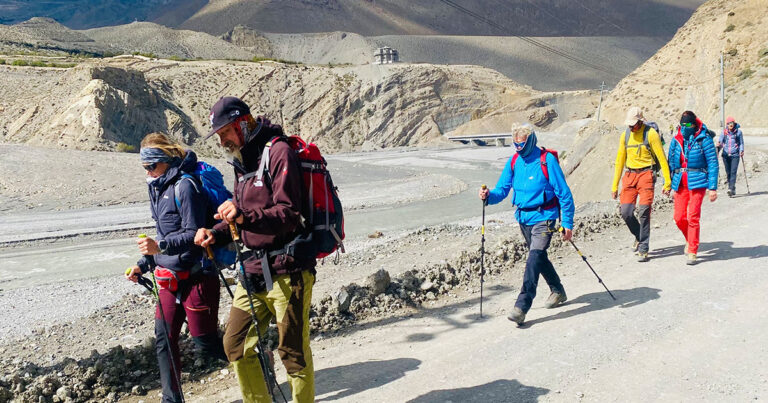
In Nepal, tourism is not just about income. It is a powerful agent of cultural diplomacy and social transformation. Every visitor who treks the Himalayas, explores ancient heritage sites, or experiences local festivals becomes a bridge between cultures. This people-to-people connection has long placed Nepal as one of the most recognized adventure and cultural destinations in the world. The industry employs hundreds of thousands directly and indirectly, contributing to livelihoods in both urban centers and remote mountain villages.
Yet, the sector demands more than growth. In recent years, Nepal has learned that the sustainability of travel depends on resilience, inclusivity, and a long-term vision. The GenZ-led protests, adverse weather events, and subsequent disruptions to transport and services have reminded stakeholders that travel is fragile. But they have also underscored the industry’s remarkable ability to bounce back with renewed energy and purpose.

Recent Challenges and Recovery
Over the past year, Nepal’s travel sector has faced unique challenges. The GenZ demonstrations in late Bhadra temporarily affected travel sentiment, prompting several countries to issue travel advisories. The aviation sector too encountered disruptions, with services like Pokhara–Jomsom being suspended for weeks due to protests and adverse weather conditions. Landslides along the Narayangadh–Mugling and Prithvi Highway routes forced many travelers to rely more heavily on domestic flights, increasing pressure on airlines.
Despite these hurdles, resilience has remained the sector’s defining trait. The NTB has actively engaged with the diplomatic community, urging for relaxation of travel advisories. Its leadership has emphasized that political stability has returned, infrastructure is operational, and Nepal remains a safe, welcoming destination for international visitors. Hoteliers, trekking agencies, and local entrepreneurs have also shown determination by restoring operations and preparing to host tourists during the festive season of Dashain, Tihar, and Nepal Sambat.
Sustainability at the Core
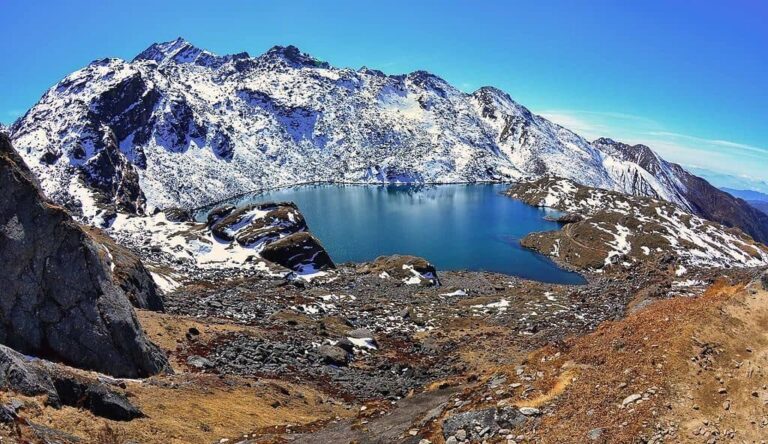
The theme of “Tourism and Sustainable Transformation” calls for a shift in mindset. For Nepal, this means embracing policies and practices that balance travel growth with environmental stewardship, cultural preservation, and social equity. The Himalayas, Nepal’s crown jewels, are also highly sensitive to climate change. Unchecked growth, over-tourism in popular trekking routes, and waste management challenges threaten both the natural environment and visitor experience.
Sustainability must therefore guide Nepal’s tourism roadmap. Initiatives such as eco-friendly lodges, community-based homestays, responsible trekking practices, and carbon-neutral expeditions are essential. Moreover, placing local communities at the heart of tourism ensures that benefits are widely shared, reducing inequality and creating opportunities for women, youth, and marginalized groups.
Tourism as a Force for Social Progress
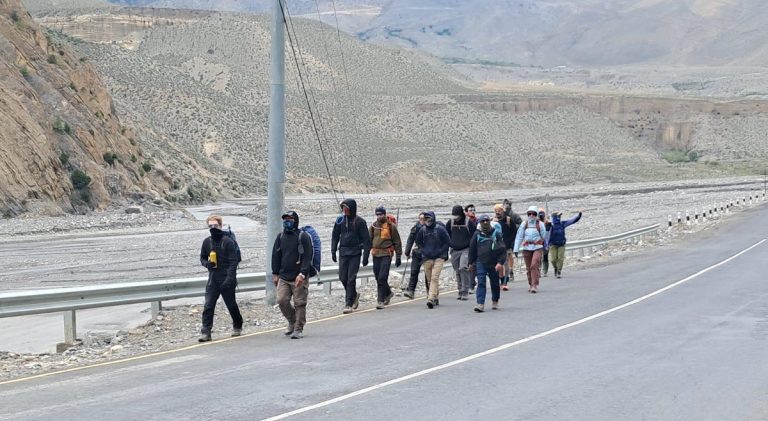
Tourism in Nepal is not just about attracting visitors but about improving lives. In rural areas like Mustang, Dolpo, and Solukhumbu, tourism provides alternative livelihoods, reducing outmigration and preserving cultural traditions. The rise of homestays allows travelers to immerse themselves in authentic Nepali life while generating income directly for local families. Women-led enterprises in handicrafts, guiding, and hospitality are further evidence of how tourism can empower and uplift communities.
Education and skill development are equally vital. Training programs for mountain guides, trekking staff, and hospitality workers ensure that the younger generation sees tourism not as seasonal employment but as a career of dignity and growth. By embedding sustainability into these opportunities, Nepal ensures that transformation is not only economic but also social and cultural.
Collaborative Action for the Future
To fully realize the transformative potential of tourism, Nepal must embrace collaboration at multiple levels. Government bodies, the private sector, civil society, and international partners all have a role to play. Infrastructure development, such as safer highways, improved airports, and reliable connectivity, must be pursued with sustainability in mind.
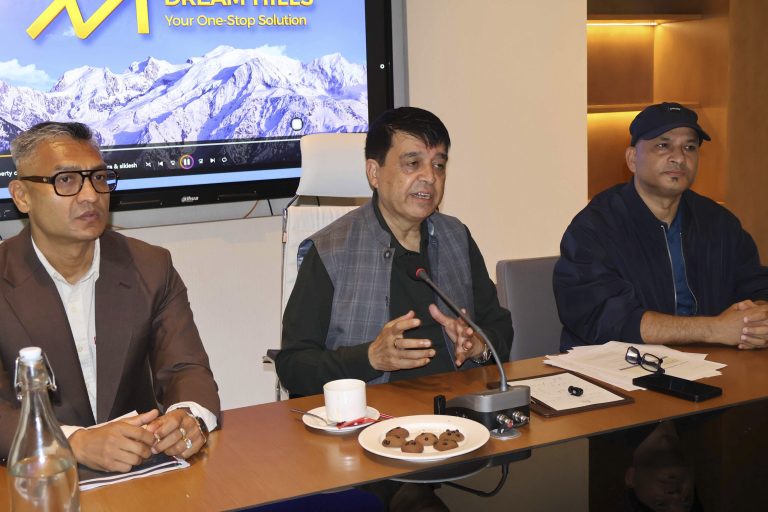
Equally important is marketing Nepal not just as a place to visit but as a place to connect, learn, and grow. Campaigns highlighting Nepal’s resilience, unique cultural identity, and eco-tourism opportunities can inspire confidence among international travelers. Events like the Meet and Greet with the Diplomatic Corps demonstrate how dialogue can rebuild trust and enhance Nepal’s global tourism image.
Festivals as a Symbol of Renewal
As Nepal prepares to celebrate Dashain, Tihar, and other cultural festivals, the tourism sector gains new momentum. Festivals in Nepal are more than rituals; they symbolize renewal, unity, and hope. For visitors, they offer a chance to witness the country’s vibrant traditions and hospitality firsthand. This festive period is also an opportunity to showcase how tourism in Nepal can be both celebratory and sustainable, preserving traditions while opening doors to modern opportunities.

A Transformative Journey Ahead
World Tourism Day 2025 is a reminder that tourism is not just an industry; it is a transformative journey that touches lives, builds bridges, and strengthens nations. For Nepal, the path ahead lies in embracing sustainability, resilience, and inclusivity. By turning recent challenges into lessons, and by putting communities and the environment at the center of development, Nepal can position itself not only as a top global destination but also as a model of sustainable transformation.
As the world marks this special day, Nepal stands ready to welcome travelers with open arms, offering them not only breathtaking landscapes but also a vision of how tourism can truly transform societies for the better.
Nepal is Safe and Open for Visitors
One of the most important messages this World Tourism Day is that Nepal is safe, open, and ready to welcome visitors from around the globe. The government, security agencies, and the tourism industry have ensured that all major destinations, from Kathmandu Valley’s heritage sites to Everest Base Camp and Annapurna trails, are secure and accessible. Roads, airports, and hospitals are operating normally, while trained tourist police and guides provide additional assurance to travelers. With festivals like Dashain and Tihar around the corner, Nepal is not only safe but also vibrant, offering visitors the chance to experience its unique culture at its liveliest.