The Kanyadaha Mangalbare Devsthal, located at Biskutnedanda in Thulo Dumma, Pauwadungma Rural Municipality–6, is rapidly emerging as a promising religious and tourism destination in eastern Nepal. With growing efforts by local communities to preserve the historic Kanyadaha and Mangalbare Devsthal, the site has begun attracting a rising number of both domestic and international visitors.
Blend of Spiritual Faith and Natural Beauty
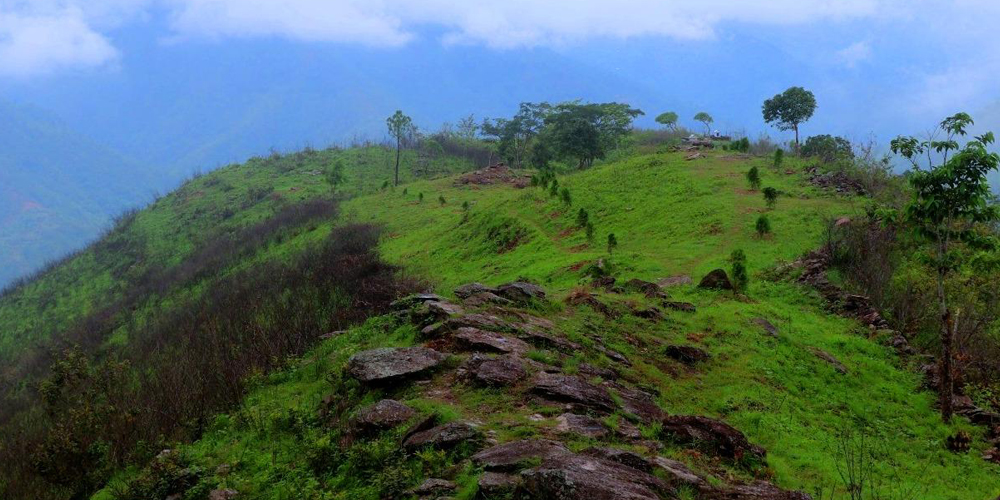
The sacred site, nestled amid the serene hills of Biskutnedanda, combines spiritual significance with scenic charm. In addition to its religious importance, the area’s lush greenery and tranquil surroundings have become a major attraction for visitors seeking peace and natural beauty. To enhance the site’s environment, locals have planted Dhupi, Ashok, Jamun, Mango, and Litchi trees, further enriching the landscape and adding to its appeal for eco-tourism.

Strong Local Belief in Spiritual Fulfillment
According to local resident Harkaraj Rai, it is widely believed that prayers and wishes offered at Kanyadaha and Mangalbare Devsthal are fulfilled. “This place holds both spiritual and cultural significance,” Rai said. “Many of its ancient structures were once neglected, but now we have come together to restore and promote it as both a religious and tourism site.”
Rai added that local initiatives have been instrumental in reviving the area’s glory, encouraging visitors to explore its religious heritage, natural beauty, and community-driven conservation efforts.
Other Sacred Sites: Aitabare and Sombare Devsthal
In addition to Kanyadaha and Mangalbare Devsthal, the surrounding area is also home to the Aitabare and Sombare Devsthal, both of which carry significant religious importance. Local resident Sugam Rai explained that these three sacred sites, Aitabare, Sombare, and Mangalbare, each have their own unique spiritual traditions and practices. “We have already begun conservation work at Mangalbare and Kanyadaha, and plans are underway to preserve the remaining sites as well,” he said. These temples host regular rituals, worship ceremonies, and local fairs, drawing devotees and pilgrims from nearby districts.
Panoramic Viewpoints and Tourism Potential
The hilltop of Biskutnedanda offers panoramic views of surrounding landmarks such as Kawa Khola, Chhintang of Dhankuta, Hatuwagadhi, and Hile Bazaar. On clear days, visitors can enjoy breathtaking vistas of the hills and valleys that stretch across eastern Nepal.
According to local tourism promoter Sangam Rai, the area’s natural charm and peaceful atmosphere have captivated increasing numbers of domestic tourists in recent years. “After the conservation works began, the inflow of visitors has noticeably increased,” he said. “People come here for both spiritual satisfaction and to enjoy nature’s beauty.”

Path Toward Sustainable Tourism
With growing local participation, the Kanyadaha Mangalbare area is on its way to becoming a well-known religious tourism hub in Bhojpur. Locals emphasize that continued efforts in conservation, promotion, and infrastructure improvement will help make the site a sustainable model of rural tourism development.
As the initiative gains momentum, the sacred grounds of Kanyadaha and Mangalbare Devsthal are expected to not only preserve Bhojpur’s cultural heritage but also contribute to the local economy through tourism-related activities.