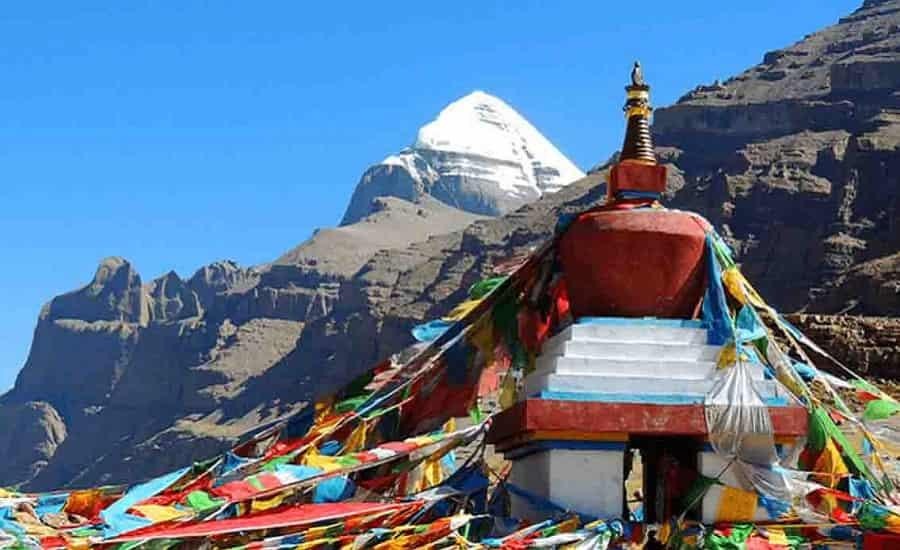
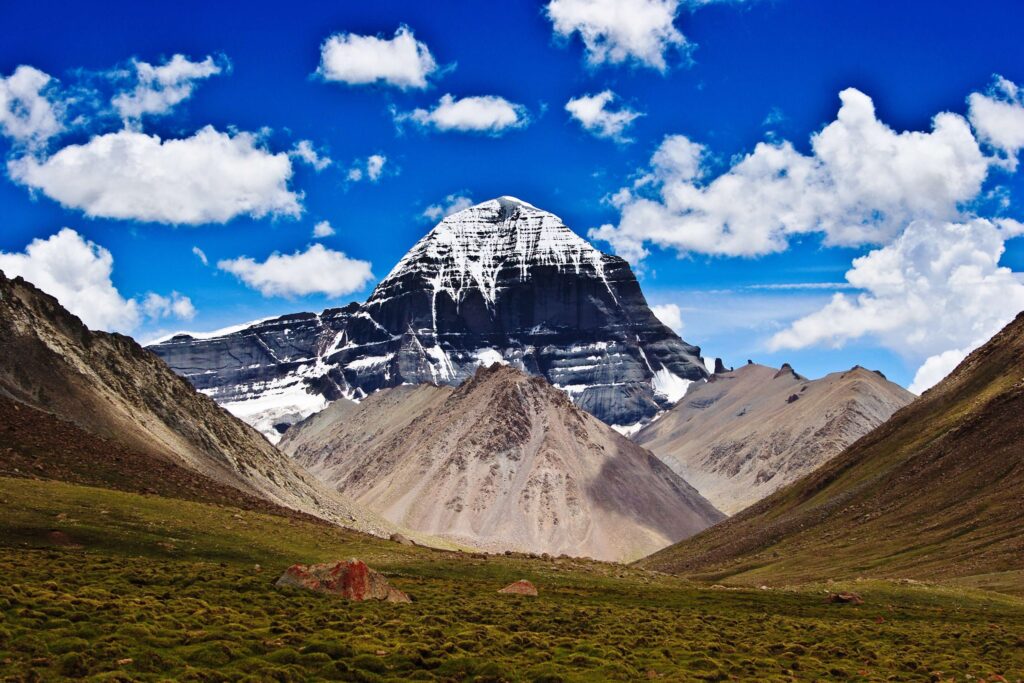
Imagine standing in front of a mountain so sacred that walking around it is believed to wash away all sins. Its clear blue waters reflect the snow-covered peaks, and pilgrims from all over the world follow paths that have stayed the same for centuries. The Kailash Mansarovar Yatra is more than a journey, it’s a path to spiritual growth and an adventure that challenges both your body and mind.
The Kailash Mansarovar Yatra is a sacred high-altitude pilgrimage in western Tibet. Mount Kailash rises to 6,638 m and Mansarovar Lake to 4,590 m, requiring acclimatization. Celebrated by Hindus, Buddhists, Jains, and Bon followers, it attracts thousands each year. Over 7,500 pilgrims travel via the Nepal–Tibet route during peak season (Radio Nepal).
Why Visit Kailash Mansarovar?
Kailash Mansarovar is more than a trek, it is a spiritual journey. Hindus believe that circling Mount Kailash brings salvation, while Buddhists revere it as a manifestation of Buddha Demchok. Jains consider it sacred, and followers of Bon see it as the spiritual center of the world. Pilgrims come seeking spiritual growth, blessings, and a sense of inner peace.

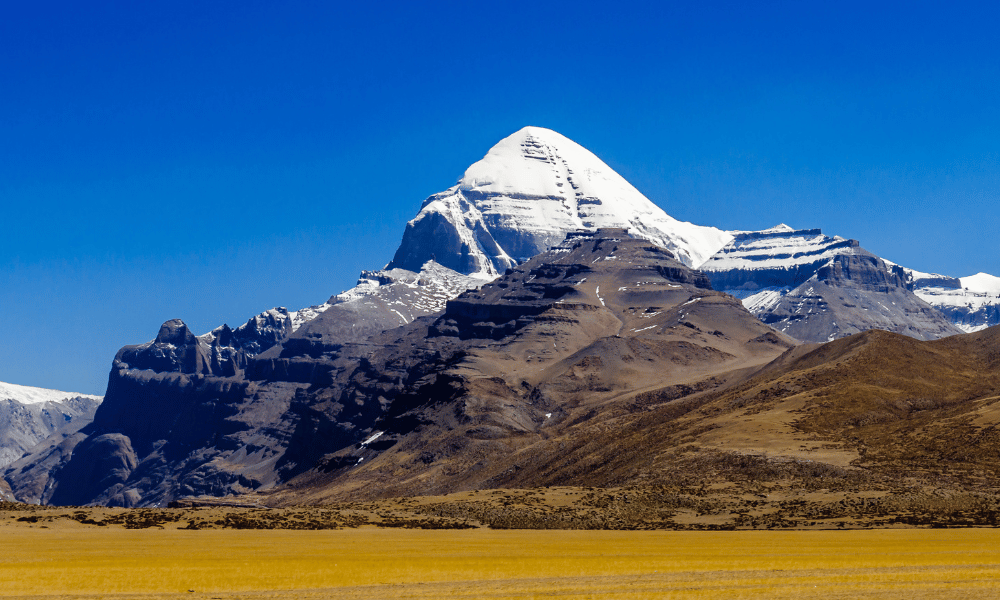
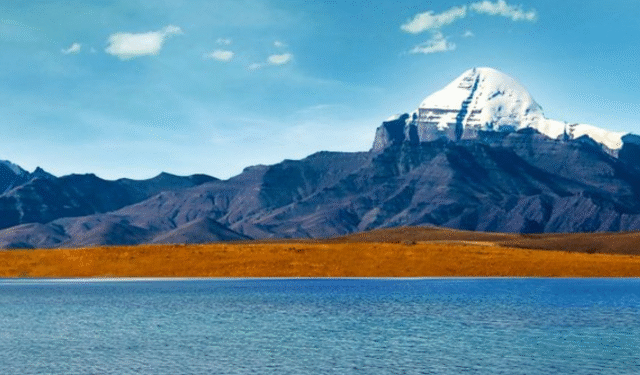
Beyond its spiritual significance, the region is breathtakingly beautiful. Snow-capped peaks rise above turquoise lakes, and high-altitude deserts stretch across the horizon. Pilgrims experience a rare combination of adventure, cultural immersion, and serene landscapes. The journey challenges the body and mind while offering moments of awe and reflection at every step.
Best Time to Visit Kailash Mansarovar
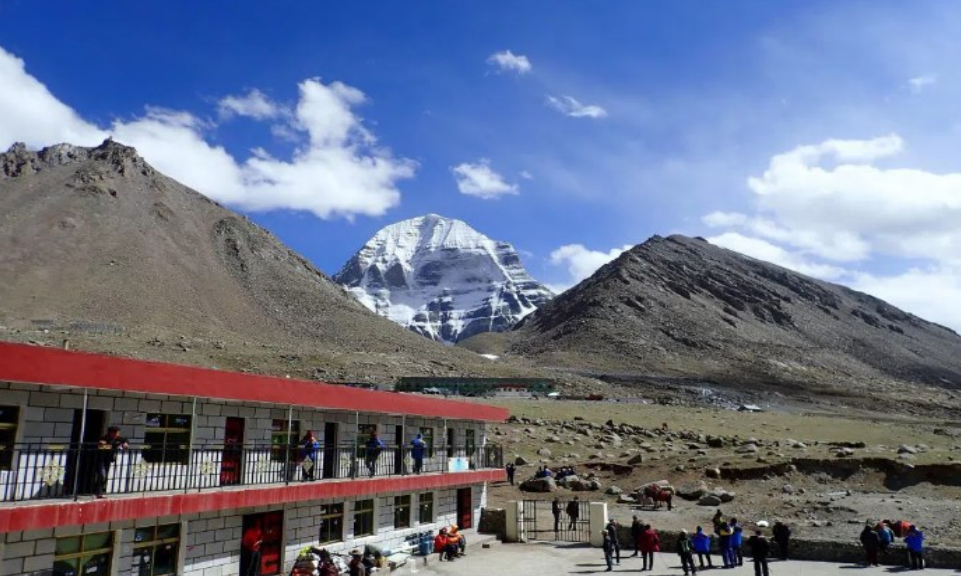
May to June: Visiting Kailash Mansarovar in May to June is ideal as the roads and trekking paths are clear, making travel smoother and safer. The weather is pleasant, offering excellent visibility of the snow-capped peaks and turquoise lakes. Pilgrims can comfortably complete the 52-km circumambulation of Mount Kailash. This period also allows for early access to Mansarovar Lake for rituals and spiritual practices.
September to October: The September to October period is perfect for those who want crisp, clear skies and fewer crowds. The landscapes are at their most picturesque, with stunning autumn hues across the high-altitude plains. Trekking paths remain accessible, and festivals during this season enrich the spiritual experience. Pilgrims can enjoy a peaceful journey while fully appreciating the natural beauty and sacred atmosphere.
Visiting outside May to October is not recommended. Heavy snow, poor road conditions, and extreme cold make trekking difficult. Many camps and shops are closed, limiting supplies. Travel during these months can be risky and uncomfortable for pilgrims.
Routes to Kailash Mansarovar
1. Via Lipulekh Pass (Uttarakhand, India)
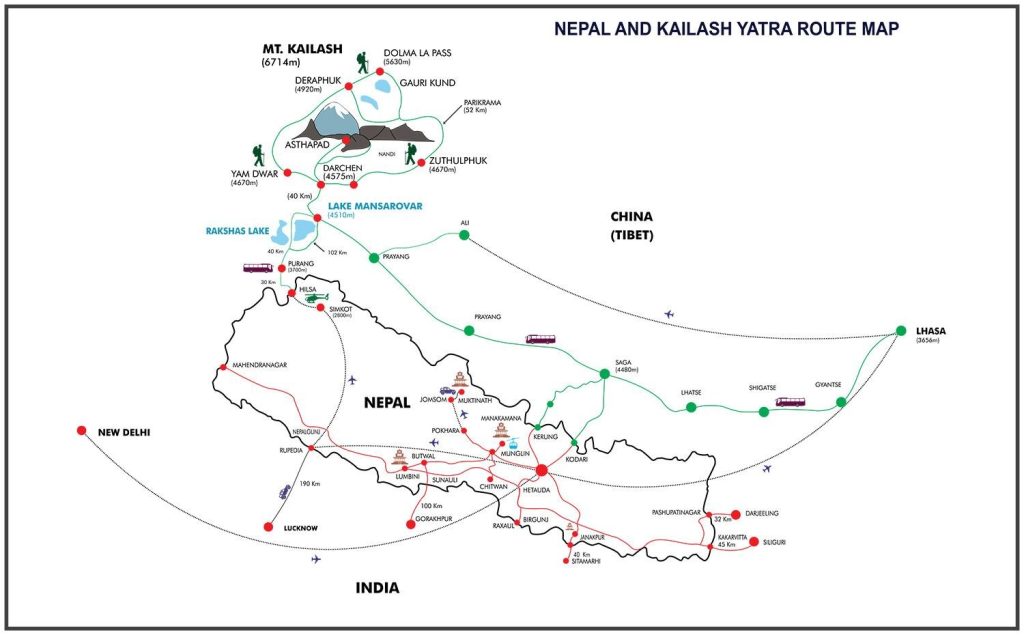
Organized by the Government of India (MEA), this route starts from Delhi → Almora → Dharchula → Lipulekh Pass. Pilgrims trek through high-altitude terrains including Narayan Ashram, Gunji, and Kalapani. The round trip covers about 3,000 km and takes 23–25 days. Best for those seeking a government-supported adventurous pilgrimage.
2. Via Nathu La Pass (Sikkim, India)
This MEA-approved route begins from Delhi → Gangtok → Nathu La → Tibet, offering vehicle support and minimal trekking. The journey lasts 20+ days, making it suitable for senior citizens or less adventurous pilgrims. The route is scenic but costlier, providing a comfortable and safer pilgrimage experience.
3. Via Kathmandu (Nepal Route – Road)
The most popular Nepal route starts from Kathmandu → Syabrubesi → Kerung → Mansarovar → Darchen, covering around 1,200 km one way in 10–14 days. It combines road travel with minimal trekking, making it suitable for pilgrims seeking shorter, easier access. Private operators offer flexible packages including sightseeing and cultural stops.
4. Via Kathmandu (Nepal Route – Helicopter)
This is a faster alternative for elderly or time-bound pilgrims, starting from Kathmandu → Nepalgunj → Simikot → Hilsa → Purang → Mansarovar. The journey lasts about 9–11 days and includes a short trek during Mount Kailash Parikrama. Ideal for those seeking a comfortable, quicker Yatra with minimal physical strain.
5. Via Tibet (Lhasa Route / Inner Tibet)
The Tibet route begins from Lhasa → Shigatse → Darchen, accessible to both Indian and international pilgrims. Mostly road-based, it requires less trekking and offers visits to monasteries and high-altitude plains. The journey is safer, faster, and scenic, ideal for pilgrims seeking comfort with cultural exploration.
Permits and Travel Requirements for Kailash Mansarovar Yatra
Required Permits and Documents
- Special Tibet Travel Permit (STTP): Mandatory for all foreign and Indian travelers visiting Tibet via Nepal or Lhasa routes.
- Chinese Visa: Required for all international pilgrims entering Tibet, including Indians.
- Indian Government Permission: Needed for Indian pilgrims on routes via Lipulekh Pass or Nathu La Pass.
- Passport & Photo ID: Valid passport for international travel; government-issued ID for Indian citizens (Aadhar, PAN, voter ID).
- Tour Operator Approval: Independent travel is not allowed, travel must be arranged through approved tour operators.
- Route-Specific Permits: Some high-altitude passes like Lipulekh or Nathu La require additional state clearance.
- Travel Insurance (Recommended): For high-altitude trekking and emergency evacuation.
- Health & Medical Certificates (Optional but Recommended): Proof of fitness for high-altitude Yatra.
Duration and Itinerary
Duration: The Kailash Mansarovar Yatra usually takes 12–20 days, depending on the route. Shorter options via Nepal or helicopter last 9–14 days, while Indian border routes through Lipulekh or Nathu La can take 20–25 days. Planning the Yatra with proper time ensures acclimatization and a safe pilgrimage.
Itinerary Overview
The Kailash Mansarovar Yatra usually takes 12–20 days, depending on the chosen route. The journey begins with arrival at Kathmandu, Delhi, or Lhasa, followed by travel to base camps via road or short flights. Pilgrims spend the initial days preparing for high-altitude trekking, acclimatizing, and resting to adjust to the elevation.
The main pilgrimage includes the Mount Kailash Parikrama (52 km) and rituals at Mansarovar Lake, spread over several days for safety and acclimatization. For travelers looking for a well-planned, shorter itinerary, the 10-Day Kailash Mansarovar Tour offers a guided experience covering all key highlights efficiently. Travelers return via the same route, enjoying scenic Himalayan landscapes, cultural experiences, and spiritual fulfillment along the way.
Accommodation & Facilities
Pilgrims can choose from guesthouses, basic lodges, high-altitude tents, and even monastery stays along the route. Towns like Darchen, Saga, and Gunji offer the most options, while trekking sections have temporary camps with simple facilities. Staying in monasteries provides a unique cultural and spiritual experience.
It is important to book accommodations in advance, especially during peak Yatra months from May to June and September to October. Early booking ensures availability, safety, and better comfort, as options can be limited due to high pilgrim demand.
Travel Tips and Essentials for Kailash Mansarovar Yatra
Packing Essentials: Carry warm, layered clothing, sturdy trekking shoes, rain gear, sunglasses, and gloves. Include a medical kit, altitude sickness medicine, sunscreen, and personal hygiene items. Trekking poles, a backpack, and water bottles are also recommended for comfort and safety.
Health & Safety: Acclimatize gradually to prevent altitude sickness and stay hydrated. Avoid alcohol and heavy exertion in the first days. Follow guides’ instructions, and consider travel insurance covering emergency evacuation.
Local Customs & Etiquette: Respect monasteries, local rituals, and Tibetan culture. Dress modestly, avoid disturbing prayer areas, and ask before taking photos. Engage respectfully with locals to enhance the spiritual experience.
Transport Tips: Start your Yatra via Delhi, Kathmandu, or Lhasa depending on your route. Road travel, flights, and helicopter options are available for reaching base camps or high-altitude passes. Plan early to secure transport during peak pilgrimage months.
FAQs About Kailash Mansarovar Yatra
- Which is the best month to visit Kailash Mansarovar Yatra?
The ideal months are May to June and September to October. These periods offer clear skies, accessible trekking paths, and favorable weather for both Mount Kailash Parikrama and Mansarovar Lake rituals.
- What’s the best time to visit Kailash Mansarovar?
Summer (May–June) and early autumn (September–October) are perfect for pilgrimage. These months provide comfortable travel conditions, scenic landscapes, and the opportunity to participate in local festivals like Saga Dawa and Guru Purnima.

- Which is the best route for Kailash Mansarovar Yatra?
The choice depends on your preference:
- Via Lipulekh Pass (India) – adventurous and government-supported.
- Via Kathmandu (Nepal) – shorter, easier, and flexible with private operators.
- Via Tibet (Lhasa Route) – mostly road travel, comfortable, and scenic.
- Is the Kailash Mansarovar Yatra open in 2025 for Indians?
Yes, the Yatra is open for Indian pilgrims in 2025, with routes via Lipulekh Pass, Nathu La, and Nepal fully operational. Early booking is recommended due to high demand. - How many days are required for the Kailash Mansarovar Yatra?
Typical itineraries range from 10 to 25 days depending on the route. Shorter options like the 10-Day Kailash Mansarovar Yatra Package cover all major highlights efficiently. - Is there accommodation available during the Yatra?
Yes, accommodations include guesthouses, monasteries, and high-altitude camps. Booking in advance is recommended, especially during peak months (May–June and September–October). - What is the best route to Manasarovar?
For comfort and less trekking, the Tibet (Lhasa) route is ideal. For adventure and government-supported travel, choose Lipulekh Pass. Pilgrims seeking shorter access often prefer the Nepal route via Kathmandu.
Conclusion
The Kailash Mansarovar Yatra is a unique spiritual journey blending adventure, culture, and devotion. Careful planning of routes, permits, and accommodations ensures a safe and fulfilling pilgrimage. Proper guidance and well-organized packages can make the journey smoother and more memorable. By respecting local customs and acclimatizing properly, pilgrims can have a truly transformative experience.
Article By: Gyaltsen Lama