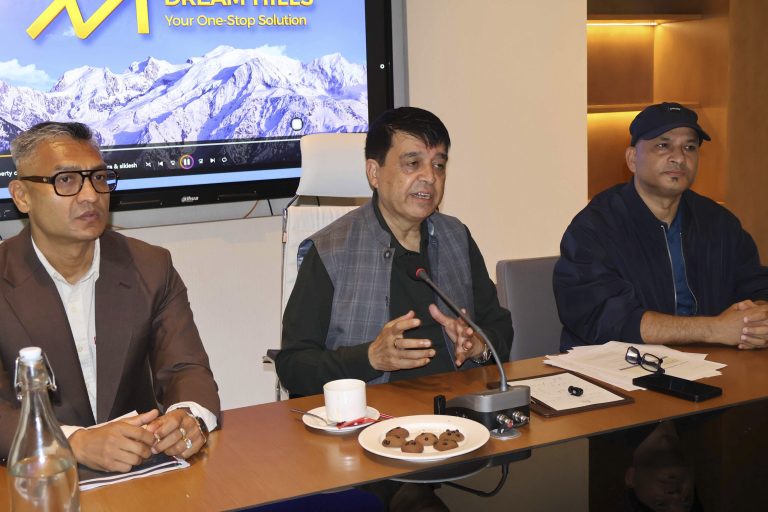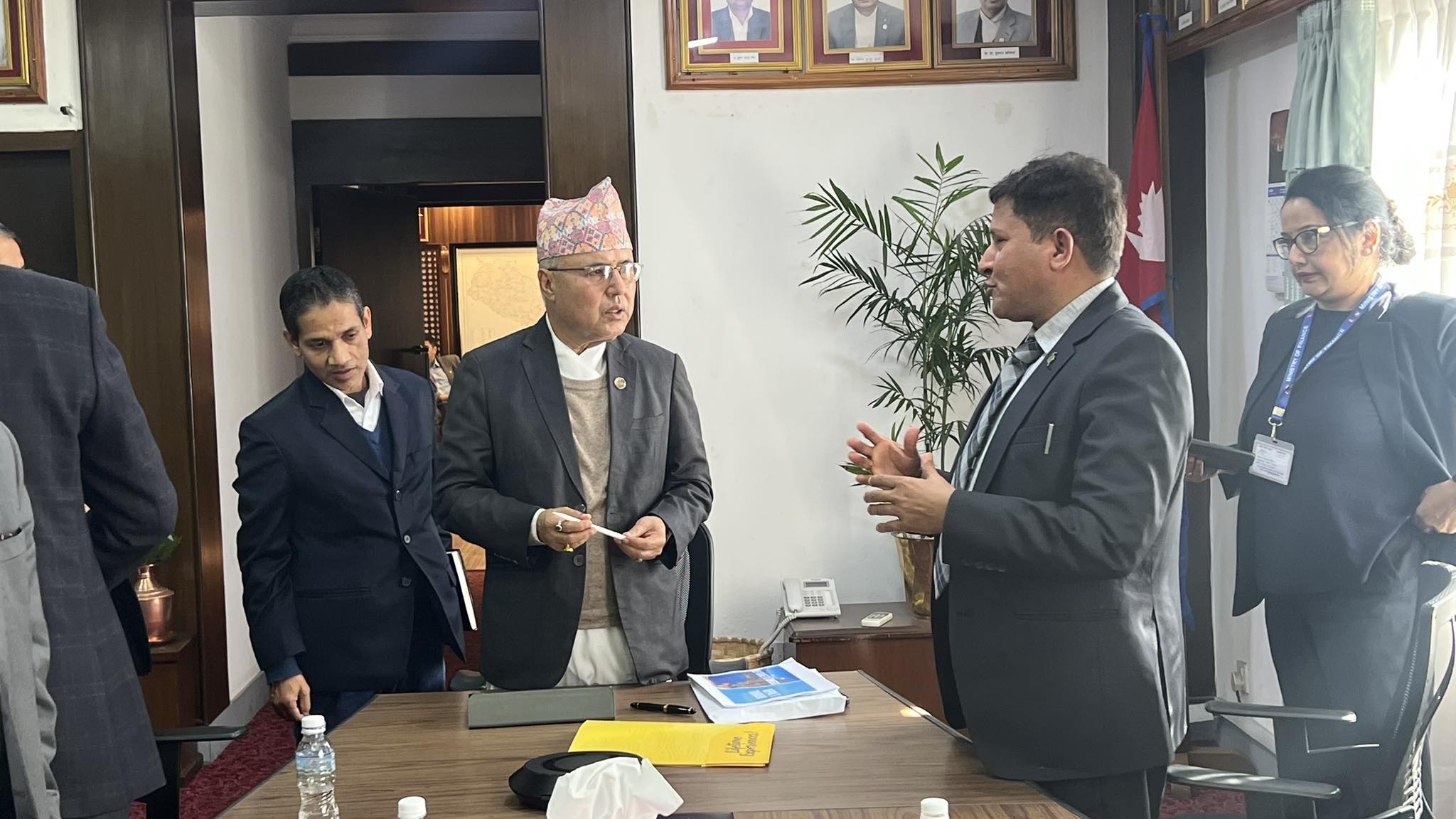
Nepal’s trekking and tourism sector is advocating for major policy reforms aimed at enhancing safety, operational efficiency, and revenue generation following a high-level meeting between industry leaders and Finance Minister Rameswor Khanal. The discussion, led by Sagar Pandey, President of the Trekking Agencies’ Association of Nepal (TAAN), focused on seven urgent issues that stakeholders believe are critical to strengthening Nepal’s position as a premier adventure tourism destination.
“Today, industry leaders raised key issues that must be addressed urgently to strengthen Nepal’s trekking and tourism landscape,” Pandey stated after the meeting, expressing appreciation for the Finance Minister’s responsiveness. “Special thanks to the Honorable Minister for genuinely listening and committing to timely action.”

Seven-Point Reform Agenda
TAAN presented a comprehensive seven-point policy reform package addressing regulatory, infrastructure, and taxation challenges in Nepal’s trekking and tourism sectors:
1. Solo Entry Permits for Restricted Areas
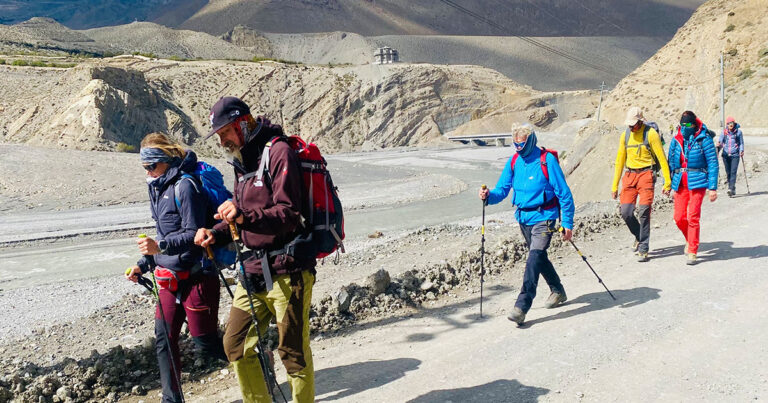
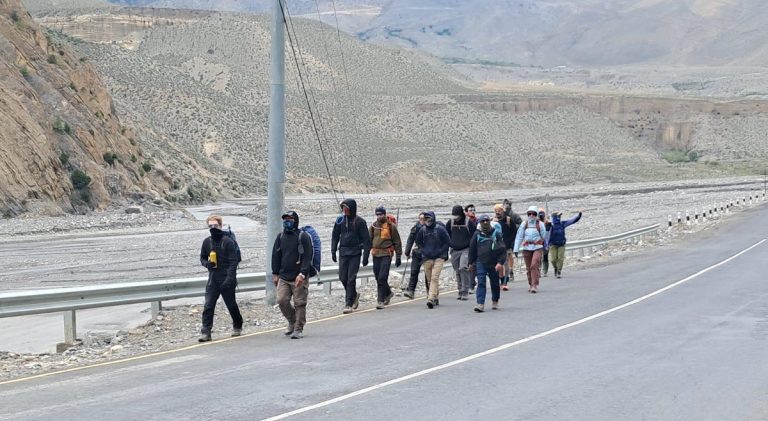
TAAN urged authorities to allow solo foreign trekkers to access restricted regions such as Dolpo, Mustang, Nar Phu, Manaslu, and Kanchenjunga. Current regulations require foreign trekkers to travel in groups of at least two to obtain permits for these zones. Sonam Gyaljen Sherpa, General Secretary of TAAN, reiterated the longstanding demand to allow solo trekking in restricted areas.
2. Immediate TIMS Implementation
The association called for the swift application of the Trekkers’ Information Management System (TIMS) across all trekking regions, citing benefits for safety, revenue collection, and job creation.
3. VAT Removal on Flights
To improve Nepal’s competitiveness, industry leaders proposed removing Value Added Tax (VAT) on both domestic and international flights, reducing travel costs and making the country more attractive to tourists.
4. Infrastructure Improvements
Urgent repairs to trekking and tourist access roads were highlighted, particularly the Ramechhap route, a key gateway for Everest region travelers and other popular trekking destinations.
5. VAT Issues on Trekking Bills
TAAN requested clarification and potential reform of VAT charges applied to trekking services, which operators say complicates business and increases costs.
6. NMA Tax and Billing Concerns
Concerns were raised over Nepal Mountaineering Association (NMA) taxes and unexempted billing for climbing expeditions and peak permits, which affect operational efficiency and pricing transparency.
7. Foreign Management for Nepal Airlines
Industry leaders proposed introducing foreign management expertise at Nepal Airlines to enhance service quality, operational efficiency, and aviation standards, potentially transforming the national carrier’s role in boosting tourism.
Recent Victory: Upper Mustang Permit Reform
The industry push follows a significant policy win for TAAN. On 18 November, the Cabinet amended Schedule 12 of the Immigration Rules 2051, revising trekking permit fees for Upper Mustang to US$50 per person per day, calculated based on the actual duration of stay.
“TAAN appreciates the cooperation of local bodies, NTB, the Department of Tourism, and the Ministry of Culture, Tourism and Civil Aviation in addressing this long-standing demand,” Sherpa said. The change reflects improved trail conditions, which have shortened trekking durations, and ensures a fair, duration-based fee structure.
Upper Dolpa Next on Reform Agenda
Building on the Upper Mustang success, TAAN is now advocating for similar reforms in Upper Dolpa, where current rules require a flat fee of US$500 for a minimum 10-day permit, regardless of actual stay. Stakeholders argue that duration-based fees are equitable and support both tourists and local economies.

Industry Optimism and Future Prospects
Pandey described the meeting as “a productive and hopeful step toward building a stronger, safer, and more competitive tourism industry for Nepal.” The proposed reforms address long-standing challenges, including regulatory constraints, infrastructure deficiencies, and taxation issues, which have historically placed Nepal at a disadvantage compared to neighboring destinations.
With Nepal recording over 1 million international visitor arrivals through November 2025 and achieving a 96.4% recovery rate compared to pre-pandemic levels, tourism professionals see the timing as ideal for implementing reforms that could accelerate growth, enhance visitor experiences, and strengthen Nepal’s global tourism brand. The Finance Minister’s commitment to timely action on the seven-point agenda has generated optimism among industry stakeholders that meaningful policy changes may soon reshape Nepal’s trekking and tourism landscape for years to come.