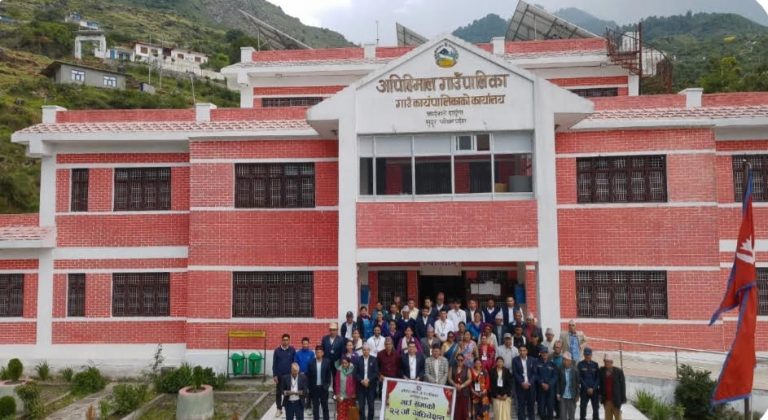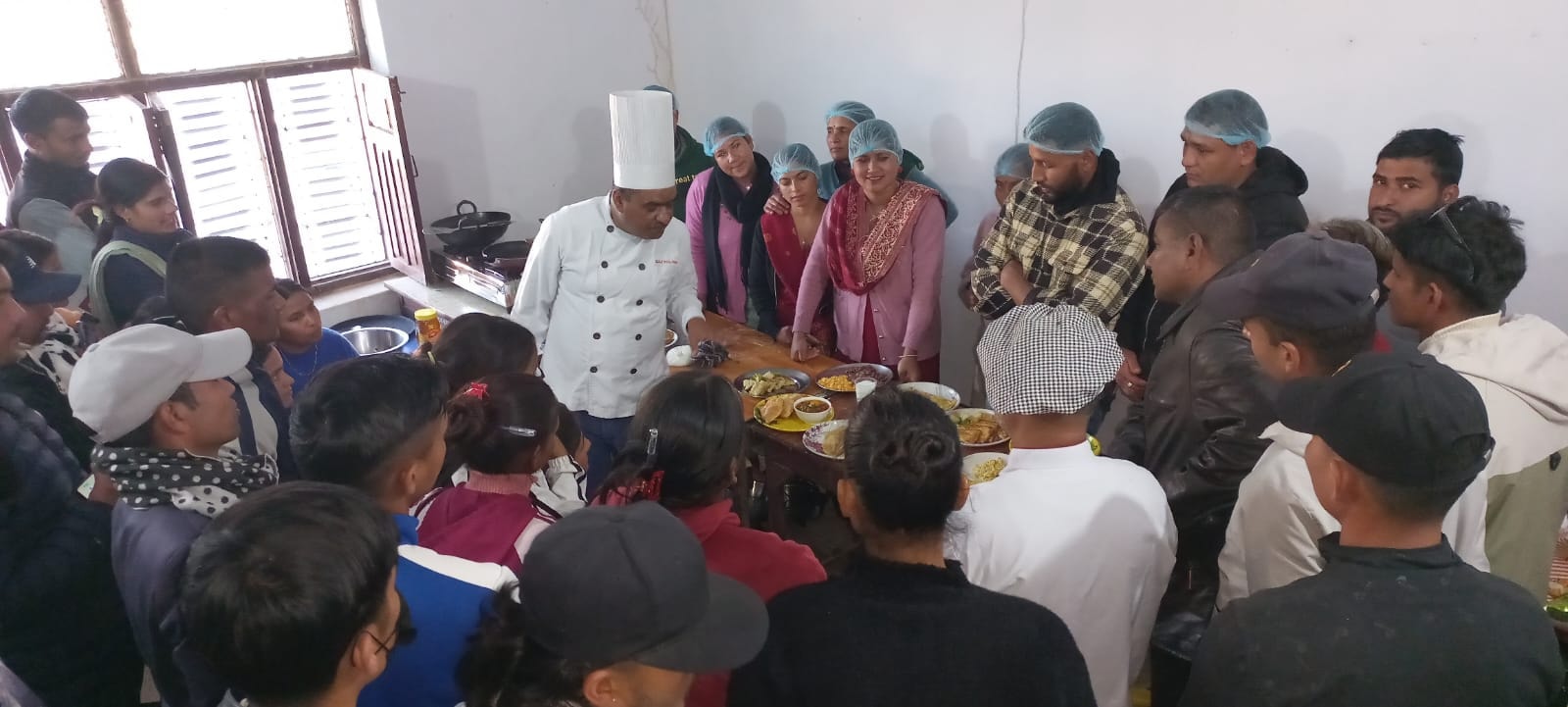
The Nepal Academy of Tourism and Hotel Management (NATHM) has launched a 10-day Small Hotel and Lodge Management Training in Khandeshwori, Apihimal Rural Municipality, Darchula, as part of its continued efforts to strengthen hospitality standards and promote sustainable rural tourism in remote destinations. The training is being conducted from Mangsir 21 to Poush 1, 2082, and is jointly supported by the Nepal Tourism Board (NTB), United Nations Development Programme (UNDP), and Apihimal Rural Municipality.
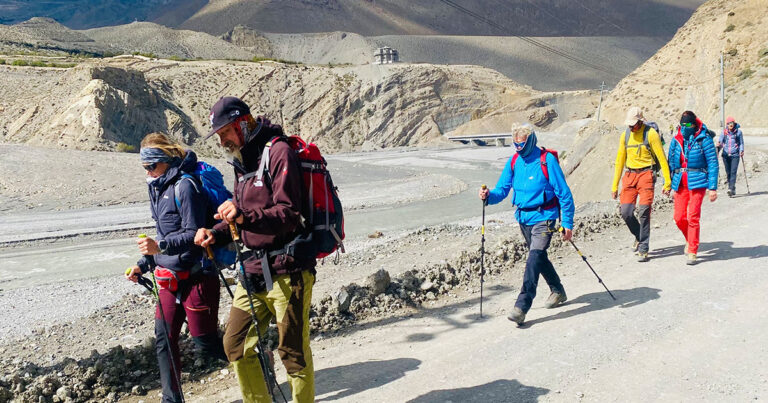
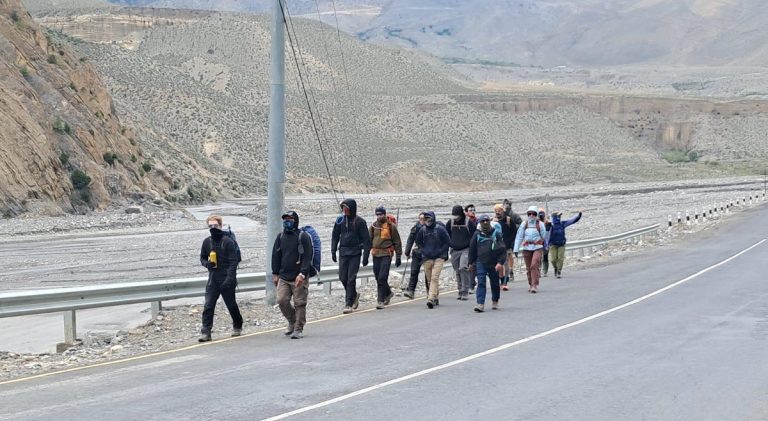
The programme has been designed to enhance the skills and service quality of local tourism entrepreneurs operating along the emerging tourism corridor to the Api Mountain Base Camp, one of Nepal’s lesser-known yet highly promising trekking destinations. With growing interest in off-the-beaten-path travel experiences, the initiative aims to ensure that local communities are well-prepared to meet the expectations of domestic and international visitors.
Strengthening Rural Hospitality Services
According to NATHM, the training focuses on equipping local lodge and small hotel operators with essential hospitality management skills. Participants are receiving practical and theoretical knowledge on guest handling, accommodation, and front-office management, basic kitchen operations, food safety and hygiene, and housekeeping standards. Special emphasis has also been placed on sustainable tourism practices, encouraging participants to adopt environmentally responsible operations that protect local culture and natural resources.

The programme targets local entrepreneurs, homestay operators, and aspiring tourism service providers from Apihimal Rural Municipality and surrounding areas. By improving service standards at the grassroots level, NATHM aims to support inclusive economic growth and create sustainable livelihood opportunities for rural communities.
Supporting the Api Mountain Tourism Corridor
The Api Mountain region, located in far-western Nepal, is gradually gaining recognition among trekkers and adventure seekers for its pristine landscapes, cultural richness, and biodiversity. However, limited hospitality infrastructure and a shortage of trained human resources have been major challenges to its tourism development.
Officials involved in the training noted that the programme aligns with broader efforts by the government and development partners to diversify Nepal’s tourism offerings beyond traditional destinations such as Everest and Annapurna. Strengthening local capacity in hospitality services is seen as a key step in positioning Api Base Camp as a safe, welcoming, and sustainable trekking destination.
Expert-Led, Community-Oriented Training
The training sessions are being facilitated by a team of experienced NATHM professionals, including Senior Instructor and Training Coordinator Samik Sharma, Kitchen Resource Instructor Bipin Khadka, and Training Assistant Ramhari Shrestha. The instructors are employing a hands-on, participatory approach that combines classroom learning with practical demonstrations and real-life scenarios.
Participants have shown active engagement throughout the programme, particularly during practical sessions related to kitchen management, hygiene standards, and guest service. Residents have appreciated the community-oriented teaching style, which takes into account the realities of operating hospitality services in remote and resource-limited settings.
“The focus is not only on technical skills but also on building confidence and professionalism among local service providers,” one of the facilitators noted. “When tourists feel welcomed and well-served, it directly contributes to positive destination branding and repeat visits.”

Commitment to Sustainable Rural Tourism
NATHM stated that the training reflects its long-term commitment to developing skilled human resources in remote tourism destinations and promoting responsible and sustainable tourism practices across Nepal. By working closely with local governments and development partners, the academy aims to ensure that tourism growth benefits local communities while preserving environmental and cultural integrity.
Representatives from Apihimal Rural Municipality welcomed the initiative, stating that such capacity-building programmes are crucial for unlocking the tourism potential of the region. They expressed optimism that trained local entrepreneurs would be better positioned to provide quality services, attract more visitors, and contribute to the local economy.
As Nepal continues to rebuild and diversify its tourism sector, initiatives like the NATHM-led training in Darchula highlight the importance of grassroots capacity development in achieving inclusive and sustainable tourism growth. With improved skills, service standards, and awareness of sustainability, local communities along the Api Base Camp route are expected to play a more active role in shaping the future of tourism in far-western Nepal.