Nepal, renowned for its ethnic diversity and ancient traditions, comes alive each year with the vibrant celebration of Sonam Lhosar, the New Year festival of the Tamang community. Deeply rooted in Buddhist philosophy and Himalayan culture, Sonam Lhosar is not only a sacred cultural observance but also an emerging highlight in Nepal’s cultural tourism calendar. The festival reflects centuries of history, communal harmony, and spiritual values that continue to shape the identity of the Tamang people.
Historical Origins of Sonam Lhosar
The word “Lhosar” is derived from two Tibetan terms: “Lho,” meaning year, and “Sar,” meaning new. Sonam Lhosar marks the beginning of the lunar year according to the Tibetan calendar, followed by the Tamang community. Historically, the festival traces its roots to ancient Himalayan pastoral traditions, where communities celebrated seasonal cycles, agricultural renewal, and spiritual purification. Over time, Buddhist influences enriched the celebration with rituals, prayers, and monastery-centered observances, making Sonam Lhosar both a cultural and religious festival.
Cultural Significance and Ritual Practices
Sonam Lhosar is observed on the first day of the new moon in the month of Magh (January–February). The festival begins with families cleaning their homes and monasteries, symbolizing the removal of negativity and the welcoming of prosperity. Early morning prayers are offered to deities and ancestors, followed by visits to monasteries where monks perform special pujas, chant mantras, and conduct blessing ceremonies. These rituals emphasize peace, compassion, and gratitude, core values of the Tamang Buddhist traditions.
Traditional Attire, Music, and Dance
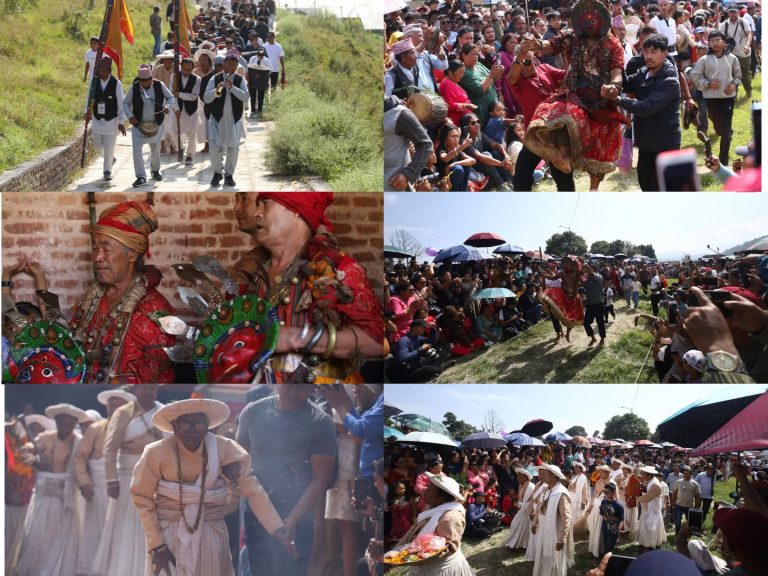
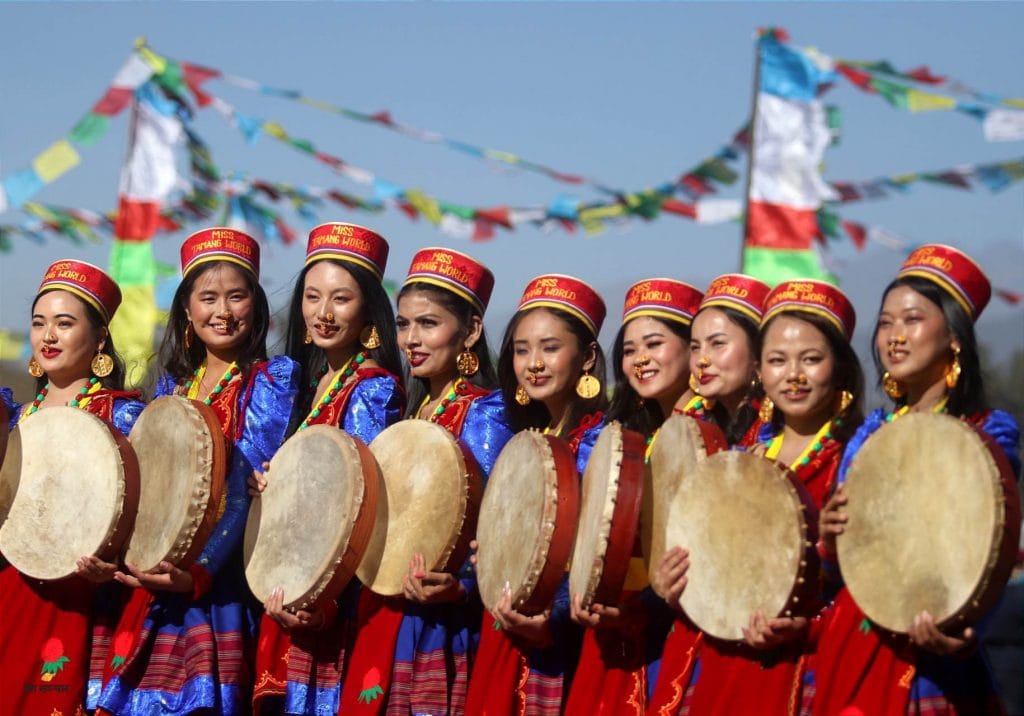
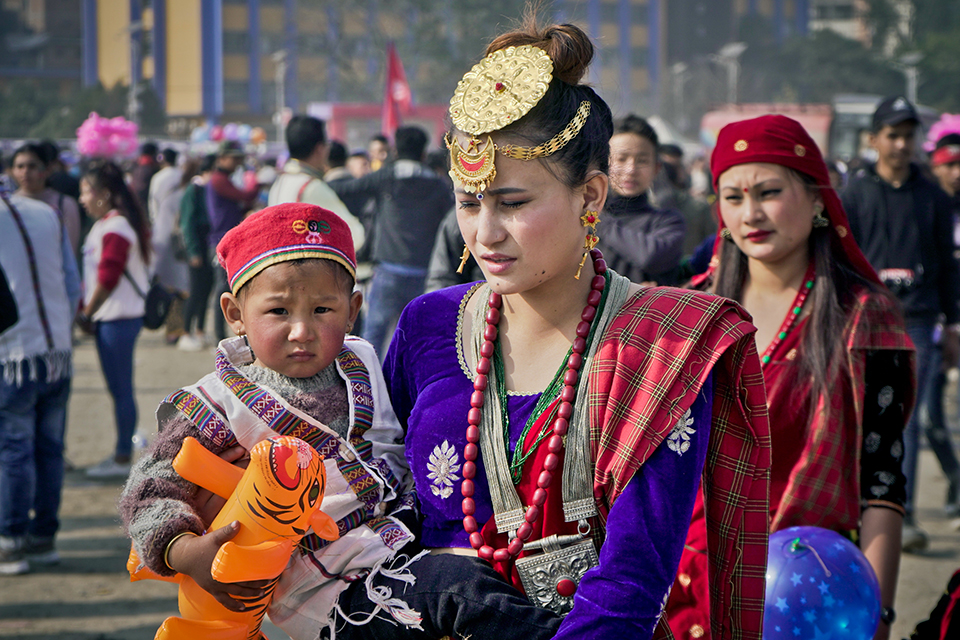
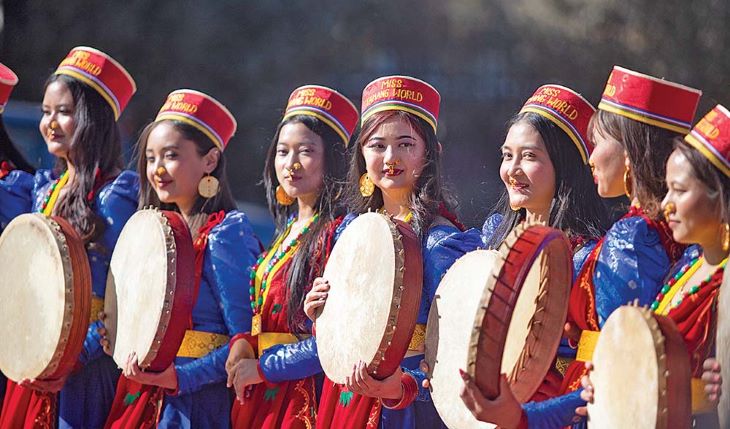
One of the most captivating aspects of Sonam Lhosar is the visual splendor of traditional dress and performances. Tamang men and women wear Chhuba and Gojang, adorned with colorful ornaments and silver jewelry. Cultural programs feature the Syabru dance, a rhythmic and symbolic performance that narrates stories of nature, community life, and spirituality. Accompanied by traditional instruments, these performances offer visitors a living experience of the Tamang heritage passed down through generations.
Major Celebration Hubs Across Nepal
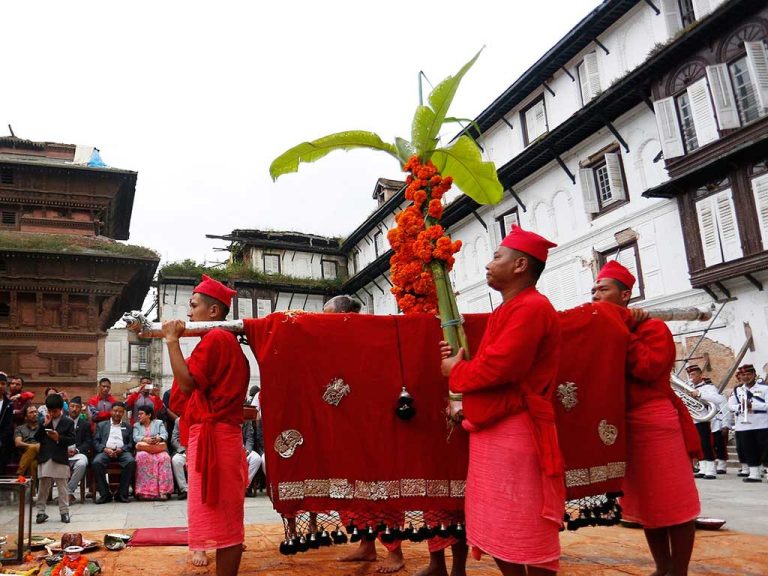
While Sonam Lhosar is celebrated nationwide, the most prominent festivities take place in Kathmandu, Pokhara, and Tamang-dominated districts such as Rasuwa, Sindhupalchok, and Dhading. Iconic landmarks like Bouddhanath Stupa, Swayambhunath, and Tundikhel transform into vibrant cultural arenas. These spaces host mass prayers, cultural parades, masked dances, and communal feasts, attracting thousands of spectators, including domestic and international tourists. The Tamang New Year blends ancient history, Buddhist rituals, colorful dances, and cuisine, emerging as a vibrant cultural festival that strengthens Nepal’s festival tourism.
Sonam Lhosar and Festival Tourism
In recent years, Sonam Lhosar has emerged as a powerful attraction within Nepal’s festival tourism sector. Tourists are drawn by the authenticity of the celebration, which offers direct interaction with local communities and traditions. Masked dances, Buddhist rituals, and traditional feasts provide visitors with meaningful cultural immersion rather than staged performances. This growing interest has positioned Sonam Lhosar as a seasonal tourism highlight comparable to other major Nepali festivals.
Economic Opportunities and Tourism Promotion
Tourism entrepreneurs have recognized the festival’s potential, introducing special Sonam Lhosar travel packages that include cultural tours, monastery visits, and participation in local celebrations. Hotels and restaurants curate Tamang cuisine experiences featuring sel roti, thukpa, and momo, adding culinary tourism value. With strategic promotion through digital campaigns, documentaries, and international cultural events, Sonam Lhosar can significantly contribute to local livelihoods and heritage preservation.
A Festival Beyond Celebration
Sonam Lhosar is far more than a New Year celebration for the Tamang community. It is a living expression of history, spirituality, and cultural pride that enriches Nepal’s diverse identity. By embracing and promoting Sonam Lhosar on national and global platforms, Nepal can strengthen its position as a leading cultural tourism destination, inviting the world to experience its timeless traditions and warm hospitality.