Nepal Varanasi Roadshow promotes pilgrimage tourism, linking Shiva, Buddhist, and Sikh circuits, attracting Indian tourists, and strengthening cultural and economic ties between Nepal and India.
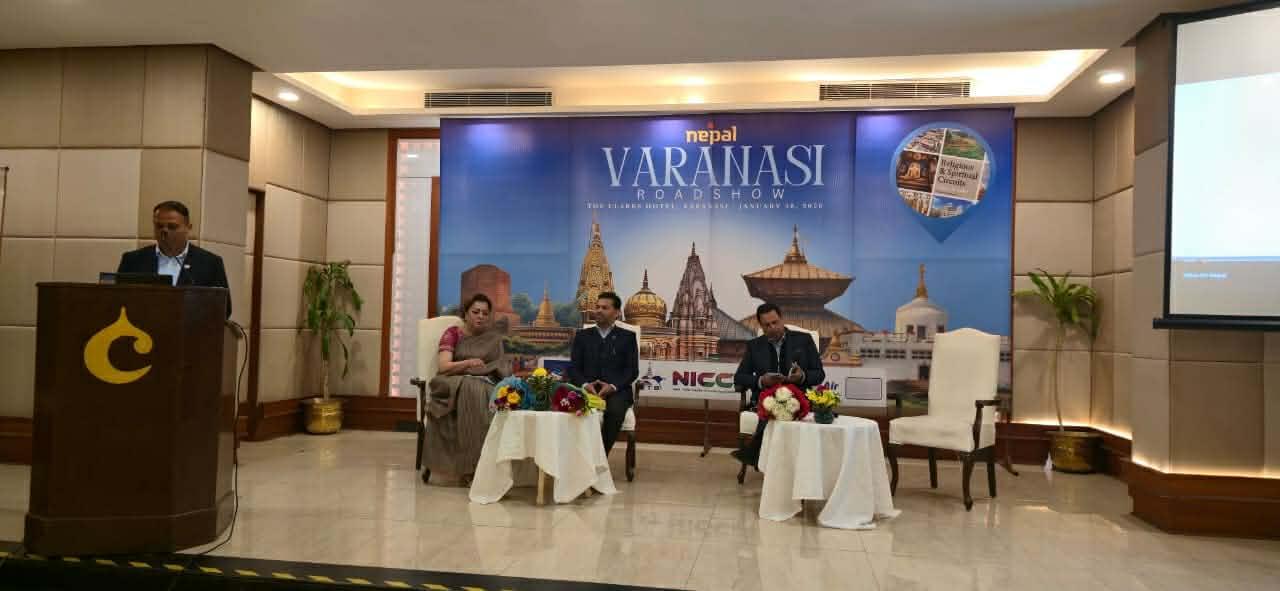
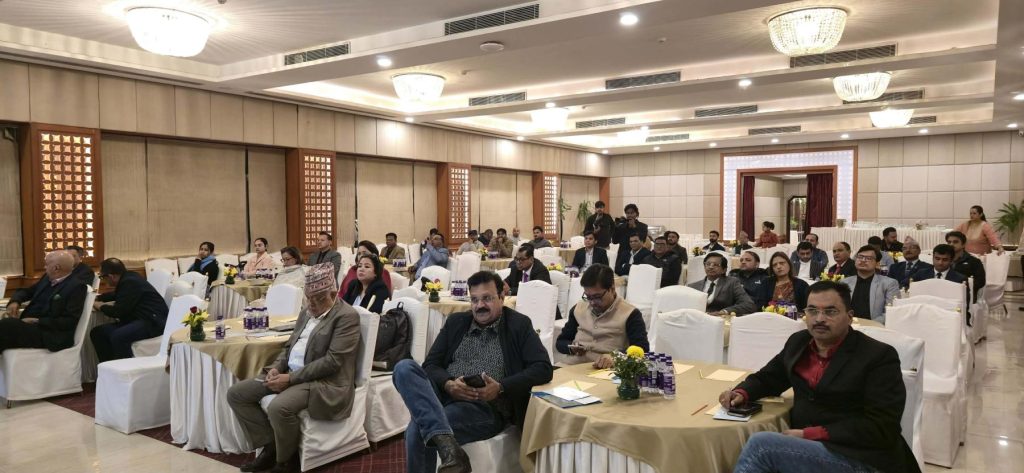
The Nepal-India Chamber of Commerce & Industry (NICCI), in association with the Nepal Tourism Board (NTB) and Buddha Air, successfully organized the “Nepal Varanasi Roadshow” at The Clark Varanasi Hotel. The event aimed to promote Nepalese tourism and attract more Indian tourists by showcasing the country’s spiritual, cultural, and natural offerings.
Strengthening Nepal-India Tourism Ties
Nepal and India share deep-rooted cultural, spiritual, and historical ties, particularly through religious tourism. The roadshow highlighted the Sacred Shiva Circuit, which connects Pashupatinath, Muktinath, Kedarnath, and Varanasi, the Buddhist Circuit encompassing Lumbini, Bodh Gaya, Kushinagar, and Sarnath, and the Sikh Circuit. These routes form a natural spiritual and tourism bridge between the two countries, creating opportunities for promoting cross-border pilgrimages.

Despite the shared heritage, Nepal has not fully leveraged the Indian outbound tourism market. India remains Nepal’s largest source of tourist arrivals, but there is potential to attract higher numbers, longer stays, and repeat visits. Recent NTB data shows that Nepal welcomed 1,147,567 international tourists by air in 2024, reflecting an 8.8 percent increase from 2023. However, arrivals from India declined slightly by 0.68 percent, with 317,773 Indian tourists visiting Nepal in 2024, down from 319,936 in 2023. The government had targeted 1.6 million tourists for 2024, indicating room for growth in the sector.
Roadshow as a Strategic Promotional Initiative
The Nepal Varanasi Roadshow focused on enhancing pilgrimage tourism by encouraging Hindu pilgrims to include Nepal in the Char Dham Yatra, particularly by visiting Pashupatinath Temple. Similarly, promoting the Buddhist pilgrimage beginning from Lumbini, the birthplace of Gautam Buddha, is expected to attract international Buddhist travelers. By linking these ancient spiritual routes, the roadshow sought to strengthen Nepal’s visibility as a year-round tourism destination.
Highlights from NICCI and NTB Officials
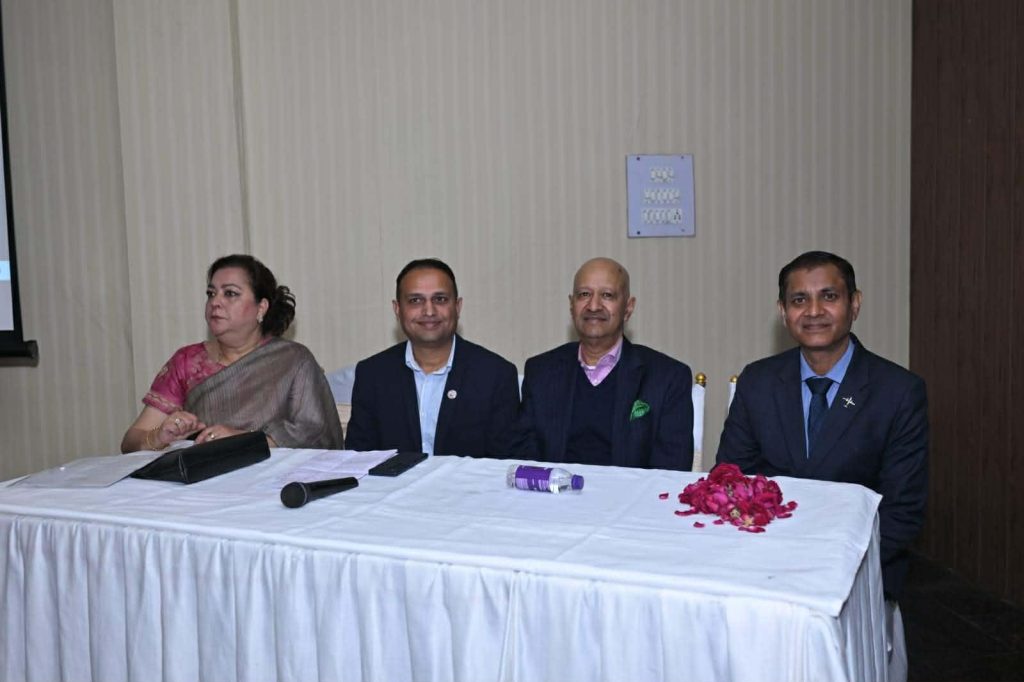
Vice President of NICCI, Mr. Kunal Kayal, emphasized that Nepal-India relations extend beyond geography and commerce, rooted deeply in shared reverence for sacred sites like Kashi Vishwanath in Varanasi and Pashupatinath in Kathmandu. He stated, “Our goal today is to transform these ancient routes into a modern, seamless Religious and Spiritual Circuit, enabling a devotee who wakes up to the Aarti in Kashi to envision their next prayers in the Himalayas at Pashupatinath.”
Immediate Past President of NICCI, Mrs. Shreejana Rana, presented insights on five religious circuits connecting Nepal and India, featured in the coffee table book “Religious and Spiritual Circuits – Nepal and India”, which was also launched during the roadshow. Officiating Director of NTB, Mr. Sunil Sharma, invited international and Indian tourists to experience Nepal’s uniqueness through the three words: Mystery, History, and Hospitality. “In Nepal, there is mystery; when there is mystery, there is history; and when there is history, there is hospitality,” Mr. Sharma remarked.

Keynote speaker Mr. Binod Kumar Chaudhary highlighted Nepal’s unique offerings, ranging from religious and spiritual tourism to breathtaking natural landscapes, panoramic mountain views, lakes, wildlife, and warm hospitality. He underscored that promoting these strengths is essential for building Nepal’s economy and tourism potential.
Vision for Future Tourism Collaboration
Executive Committee Member of NICCI, Mr. Shashi Kant Agrawal, concluded the event by emphasizing that the Nepal Varanasi Roadshow is NICCI’s first organized event outside Nepal. He noted its significance in connecting people from India and Nepal through pilgrimage tourism and pledged continued efforts to organize similar initiatives in the future, fostering cultural, spiritual, and economic ties between the two nations. The roadshow is seen as a key step in transforming Nepal’s historical and spiritual routes into modern tourism circuits, boosting arrivals from India and strengthening bilateral tourism collaboration.