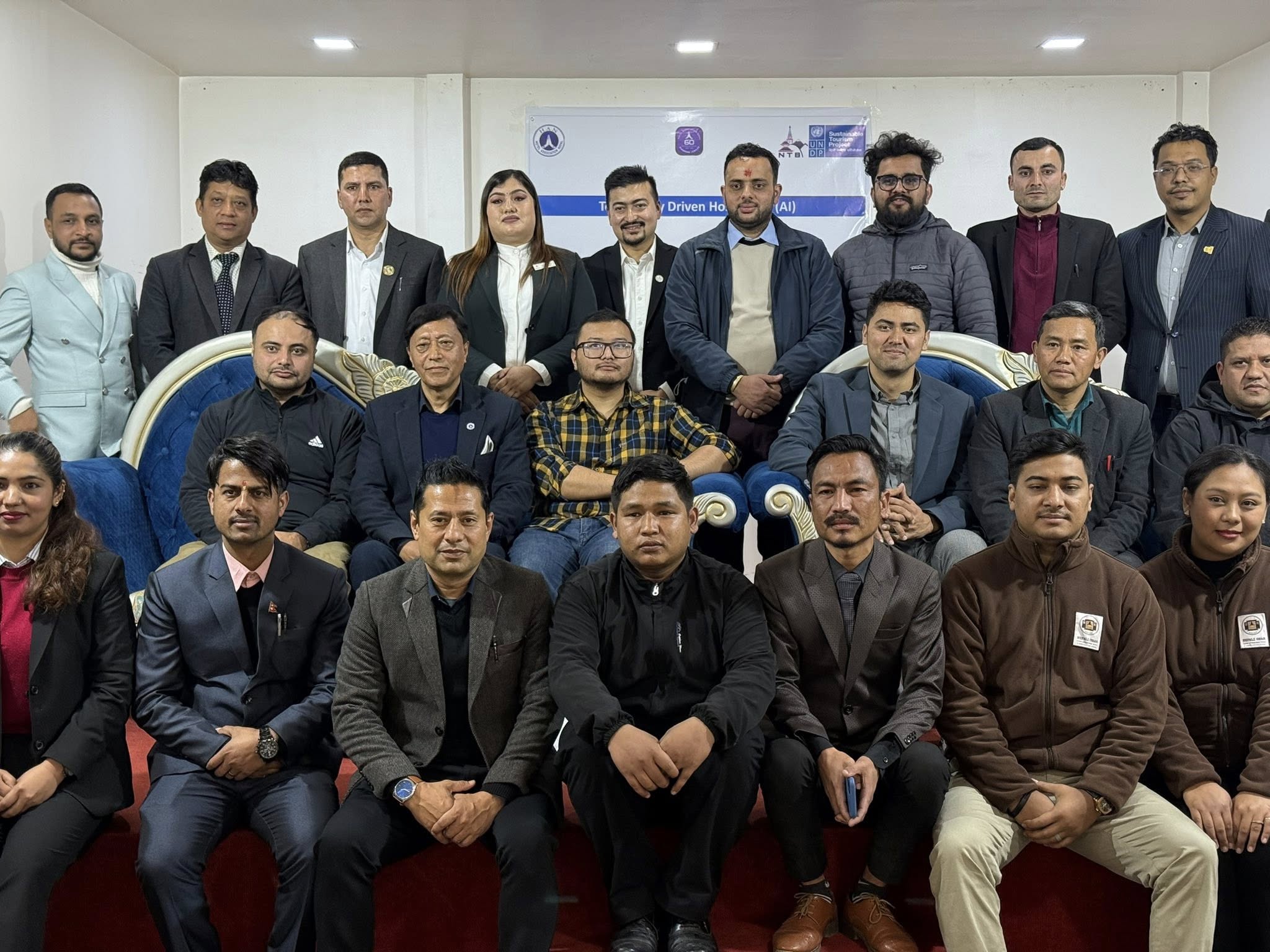
A four-day intensive training program on Technology-Driven Hospitality (AI), jointly organized by the Hotel Association Nepal (HAN) and the Nepal Tourism Board (NTB), concluded today at G Ramayana Hotel.
The program brought together hospitality professionals from member hotels to enhance their understanding of artificial intelligence and its growing role in modern hotel operations. The initiative was launched in response to increasing demand from hotels seeking practical knowledge and tools to adopt technology-driven solutions in service delivery, marketing, and management.
Addressing the Growing Need for AI in Hospitality
With global tourism becoming increasingly digital, HAN identified the urgent need to equip Nepali hoteliers with advanced technological skills. The association developed a structured curriculum specifically tailored to the hospitality sector, focusing on how AI can improve guest experiences, optimize operations, and strengthen competitiveness.
The training covered areas such as AI-based customer service tools, data-driven decision-making, smart booking systems, digital marketing automation, and operational efficiency through emerging technologies. Expert trainers led interactive sessions, combining theoretical insights with hands-on applications relevant to hotel environments.
Strong Participation from Member Hotels
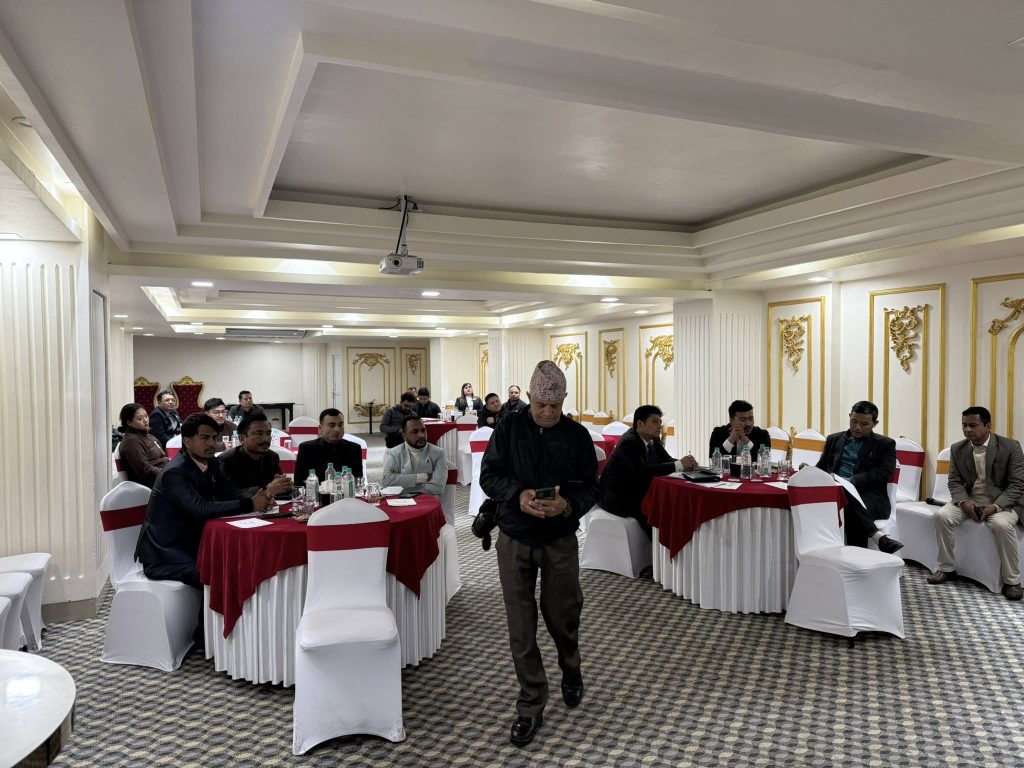
Member hotels were invited earlier to nominate participants, reflecting the sector’s growing recognition that technology adoption is no longer optional but essential. Over the four days, participants engaged in workshops, case studies, and practical demonstrations designed to bridge the gap between traditional hospitality practices and modern technological expectations.
Organizers noted that the enthusiasm and active participation of attendees demonstrated the industry’s readiness to embrace innovation as Nepal positions itself in a competitive global tourism landscape.
Coordination and Leadership
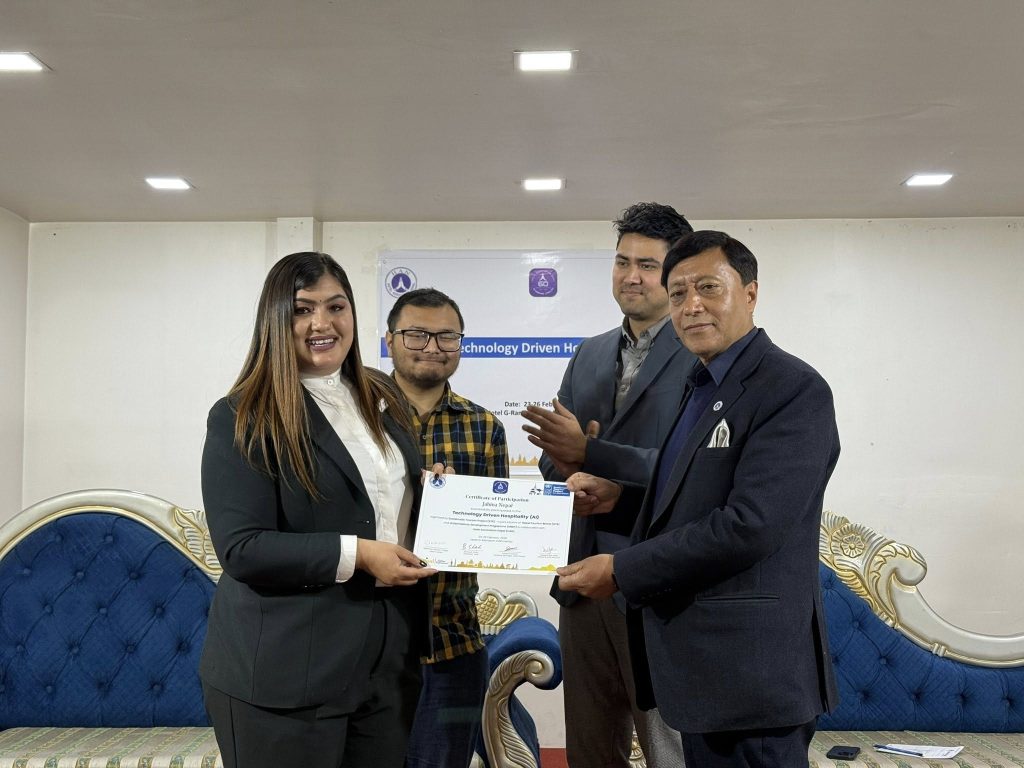
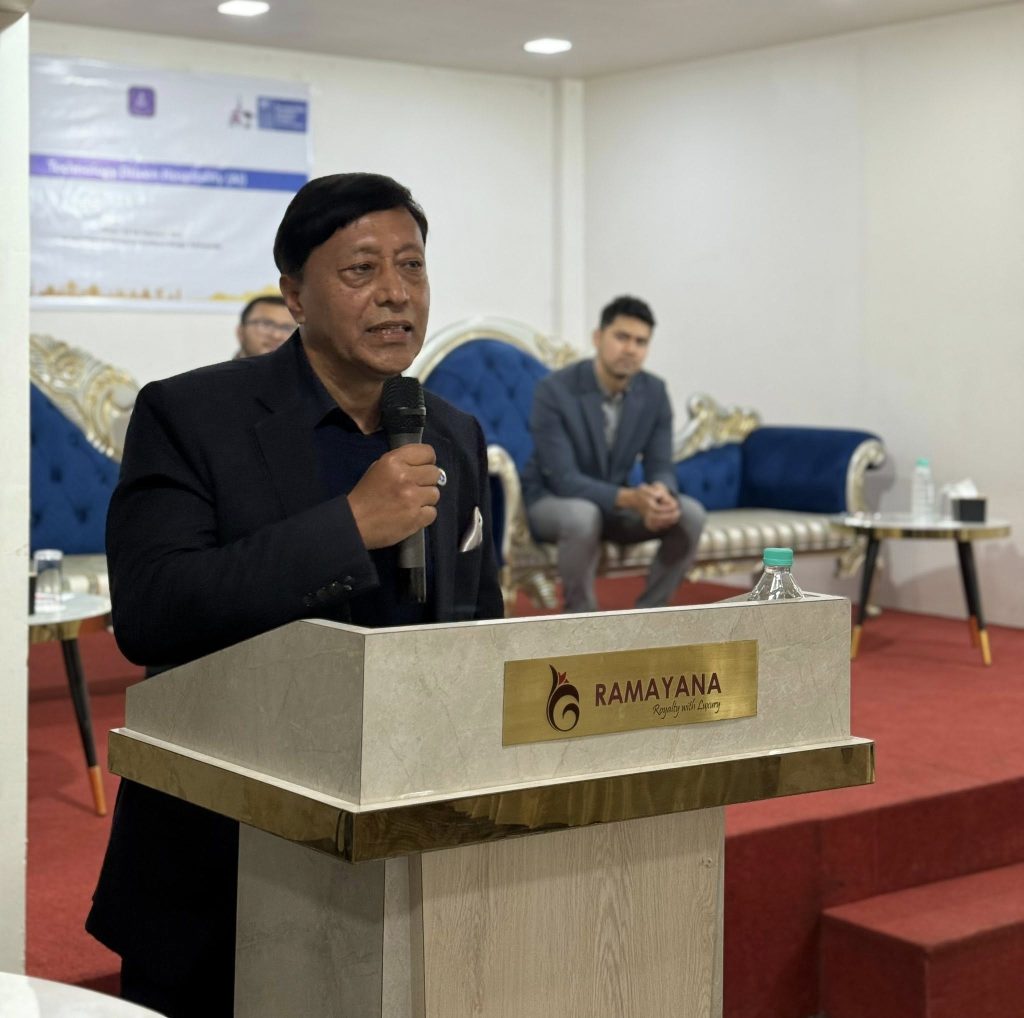
The program was coordinated by Sajan Shakya, General Secretary of HAN, who played a key role in designing and implementing the initiative. Speaking during the closing session, Shakya emphasized the importance of aligning Nepal’s hospitality sector with global trends:
“Artificial intelligence is transforming how the world travels and experiences hospitality. If our hotels are to remain competitive and deliver world-class service, we must adopt technology not as a replacement for human touch, but as a tool to enhance it.”
He added that the training aimed to empower hoteliers with practical knowledge that can be immediately applied in their workplaces.
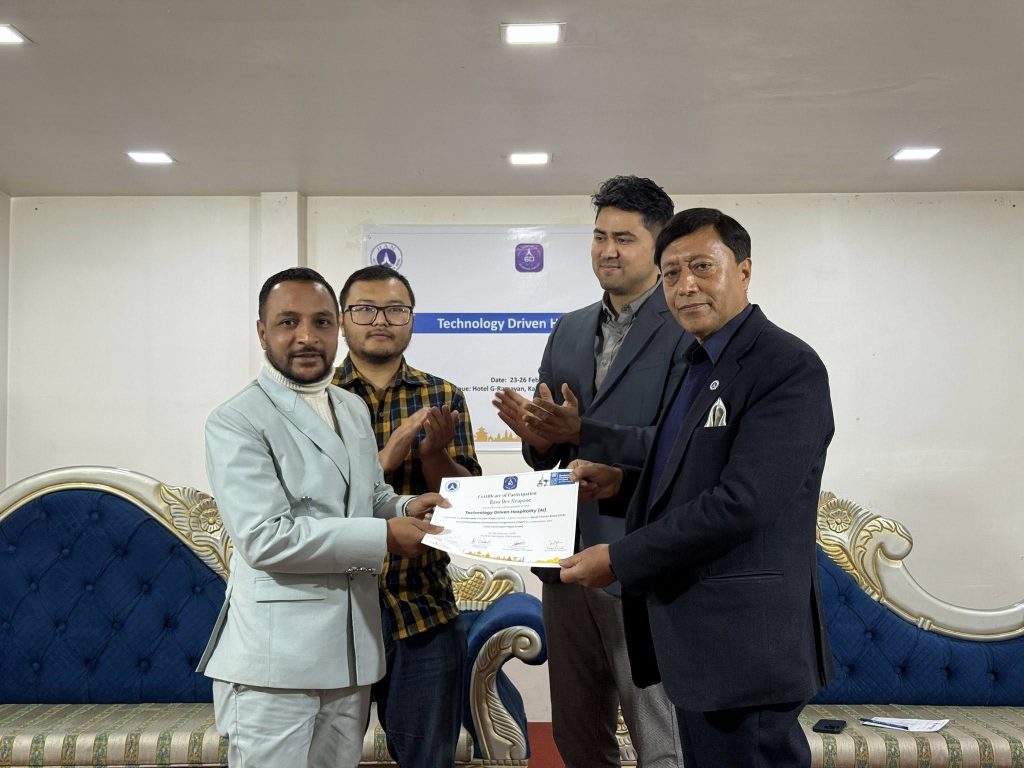
Enhancing Nepal’s Tourism Competitiveness
The collaboration between HAN and NTB reflects a broader effort to modernize Nepal’s tourism infrastructure through innovation and capacity building. As travelers increasingly expect seamless digital experiences, from online bookings to personalized services, AI integration is becoming critical for improving service standards and operational efficiency.
Tourism officials believe such initiatives will help Nepali hotels better understand customer behavior, streamline resource management, and deliver customized experiences that meet international expectations while preserving Nepal’s unique hospitality culture.
Positive Outcomes and Future Plans
Participants described the four-day program as highly insightful and productive, noting that the skills gained would support their professional growth and enable their hotels to adopt smarter, technology-driven practices. The training also created a platform for knowledge sharing among industry professionals, fostering collaboration and innovation within the sector.
HAN indicated that this program is part of a longer-term strategy to continue offering specialized training in digital transformation, ensuring that Nepal’s hospitality workforce remains prepared for the evolving demands of global tourism.
The successful completion of the AI training marks an important milestone in Nepal’s journey toward smart hospitality, where technology enhances efficiency while maintaining the warmth and authenticity that define Nepali service.
Industry leaders expressed confidence that initiatives like this will strengthen the capacity of hotels across the country, ultimately contributing to improved visitor satisfaction, sustainable growth, and a more resilient tourism economy.